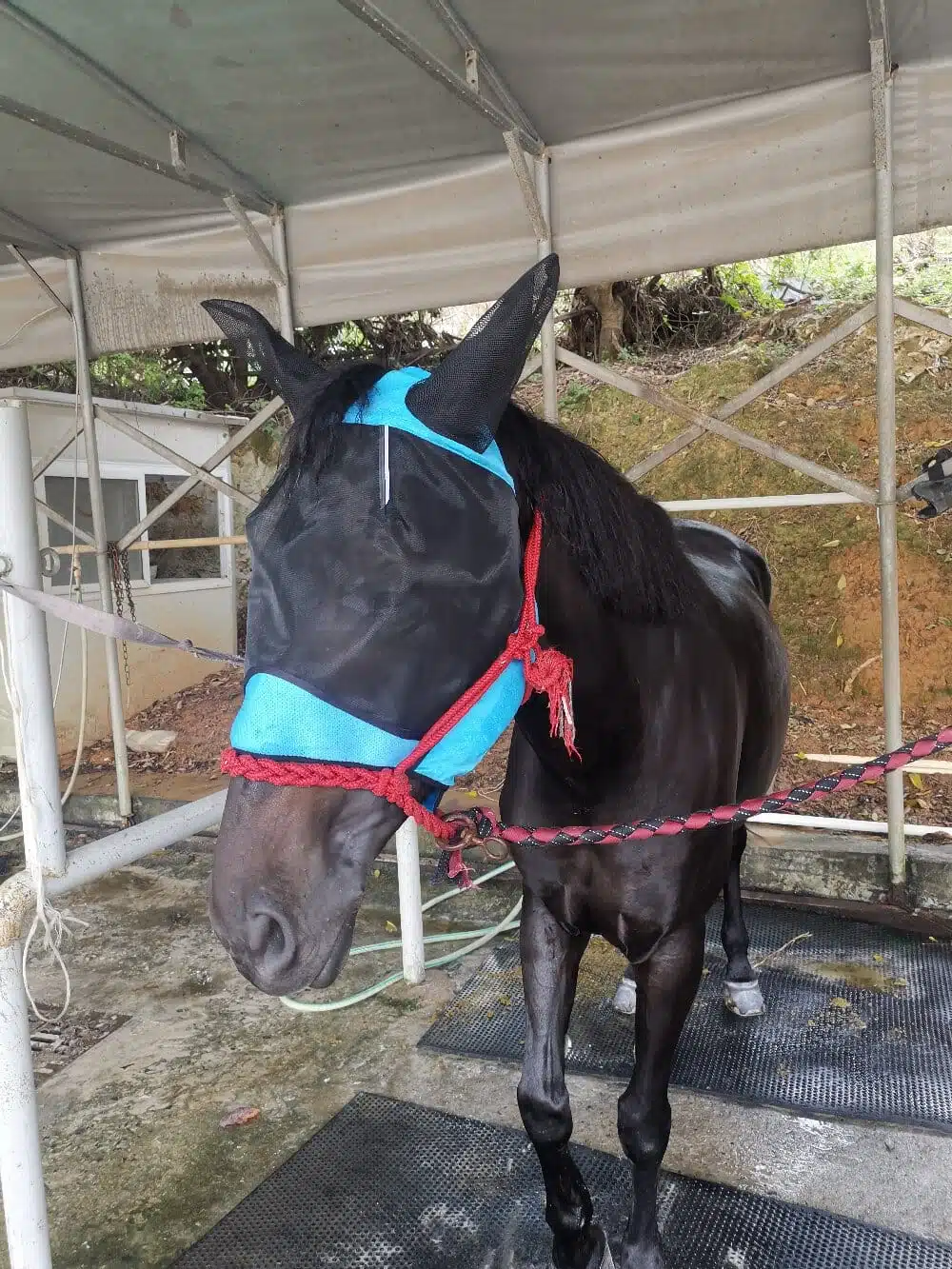

I’ll admit, the first time I saw a horse fly mask, I didn’t think much of it. It looked like a simple, almost comical, piece of mesh headgear. My perspective, however, was that of a complete outsider. It wasn’t until I spent a summer volunteering at a local equestrian center that I began to understand this humble piece of equine equipment from a completely different cultural perspective. To the uninitiated, it’s just a mask; but within the world of horsemanship, it represents a profound intersection of animal welfare, practical husbandry, and a deep-seated cultural respect for the horse as a partner, not just a pet or a tool.
A Global Nuisance and a Universal Solution
Flies are a universal irritant in the equine world. From the stables of Kentucky to the ranches of Australia, these pests are more than just a bother; they are vectors for disease and a source of immense stress that can lead to injury and weight loss. The primary function of a fly mask is beautifully simple: protection. It shields a horse’s eyes, ears, and sometimes entire face from the relentless buzzing and biting of insects. This practical need is understood by horse owners everywhere, creating a common thread across diverse equestrian cultures. Whether it’s a basic eye cover or a full-face shield with ear protection, the goal is universal—to provide comfort and prevent the health issues that flies bring.
The Cultural Lens of Equine Care
How we choose to care for our animals speaks volumes about our values. In some traditions, the approach to pest control might be more reactive, perhaps using sprays or natural remedies. In others, particularly in modern Western equestrianism, the proactive use of a protective horse fly mask is standard practice. This isn’t just about convenience; it’s a cultural commitment to preventative care. It says, “I value your well-being enough to anticipate your discomfort and mitigate it.” This ethos is woven into the fabric of responsible horse ownership. It reflects a culture that prioritizes the horse’s quality of life, understanding that a comfortable horse is a healthier, happier, and more trainable partner.
Choosing the Right Fly Mask: A Ritual of Responsibility
Selecting the right equine fly gear is a small but significant ritual. It’s a process that requires understanding the individual animal’s needs, which can vary based on breed, environment, and temperament. I learned to look for key features that horse people discuss with the seriousness of an engineer:
- Fit and Comfort: A mask must allow for full vision and movement without rubbing, a non-negotiable aspect of humane design.
- Durability and Material: The choice between a lightweight mesh for daytime turnout or a more durable fabric for a horse that loves to rub its head on fences.
- UV Protection: Many masks now offer protection from the sun, an added layer of care for horses with light-sensitive eyes or pink noses.
This process is a microcosm of the larger cultural practice of attentive, individualized animal husbandry.
A Symbol of a Deeper Bond
Beyond the practicalities, the act of putting on and taking off a fly mask is a daily point of contact and trust-building between human and horse. It’s a gentle ritual that reinforces the bond. The horse must stand calmly for the human to fit the mask, and in return, it receives the gift of peace. This simple exchange is a powerful cultural symbol. It moves beyond mere ownership into the realm of partnership. The mask itself becomes a symbol of that covenant—a quiet agreement that we will protect those in our care from the irritations we can control.
A Simple Tool with Profound Meaning
My journey from seeing a simple mesh screen to understanding the horse fly mask as a cultural object has been enlightening. It is a testament to how humanity’s relationship with animals has evolved. It is no longer just about what animals can do for us, but what we can do for them. This small piece of equestrian equipment, therefore, is far from trivial. It is a practical solution born of compassion, a product of cultural values that emphasize preventative health, and a daily reminder of the respectful, symbiotic relationship we strive to have with the magnificent animals we are privileged to care for.