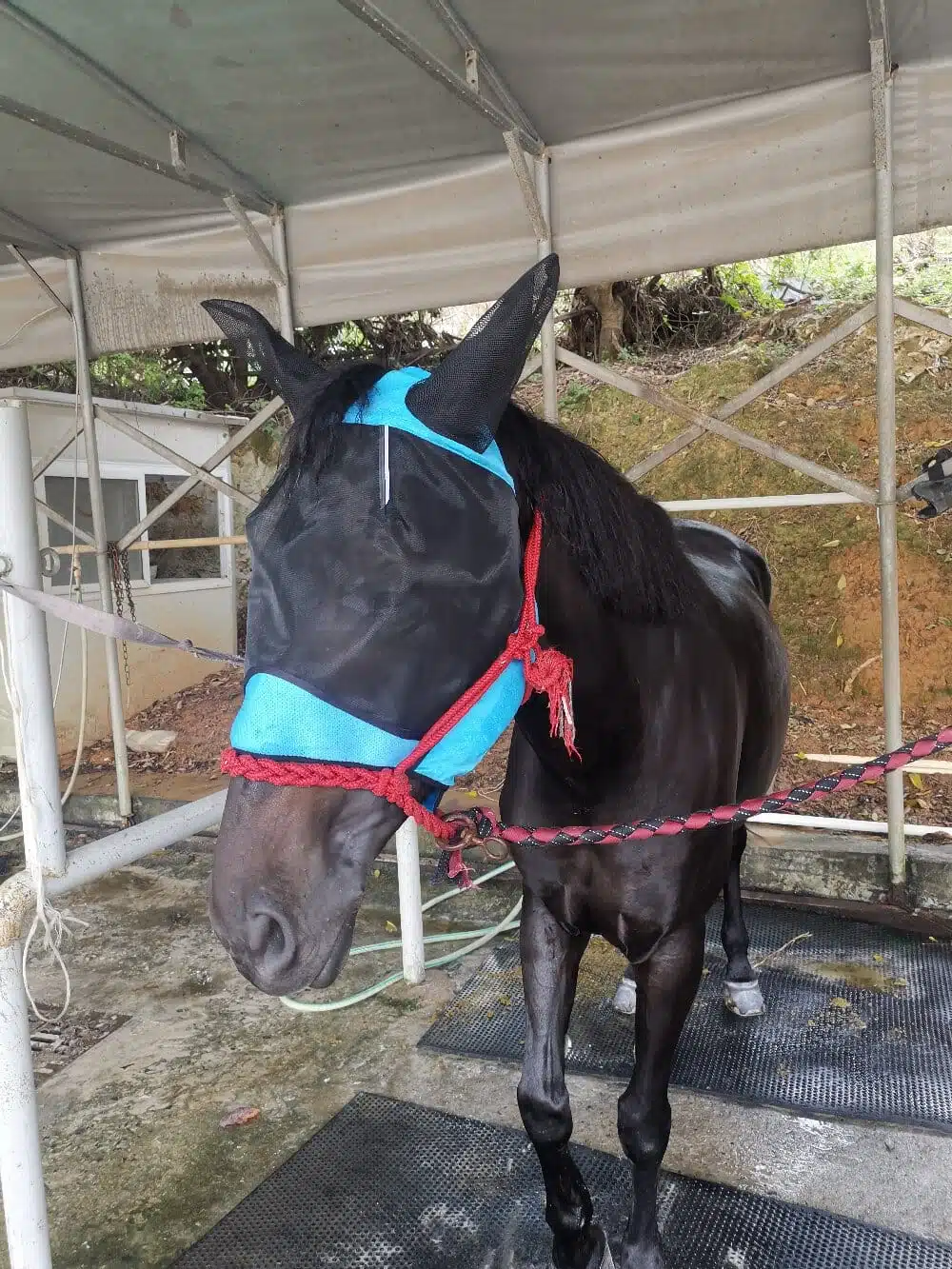

A horse fly mask is a specialized piece of equine equipment designed to protect a horse’s eyes, ears, and face from biting and nuisance insects. While often perceived as a simple accessory, its use is grounded in practical animal welfare considerations. The primary function of this protective gear is to mitigate the distress and potential health issues caused by persistent flies, which can lead to eye infections, skin irritations, and constant agitation. From an objective standpoint, evaluating the necessity of a fly mask requires an analysis of its benefits against the specific environmental conditions and the behavioral response of the individual horse.
Evaluating the Core Benefits for Equine Welfare
The decision to use a fly shield is not merely aesthetic; it is a preventive measure. Flies are not just a minor annoyance; they can transmit diseases and cause significant physical harm. Continuous swatting and head-tossing to avoid insects are stress behaviors that can interrupt feeding and rest. More critically, certain flies are attracted to the moisture around a horse’s eyes, seeking to feed on proteins and potentially spreading pathogens that cause conjunctivitis. A well-fitted face mask acts as a physical barrier, preventing direct contact and reducing the risk of infection. Furthermore, for horses with conditions like uveitis or those who have had eye surgery, this protection is not a luxury but a medical necessity to aid healing and prevent complications.
Critical Considerations in Fly Mask Selection
Not all horse fly masks are created equal, and a critical approach to selection is paramount. The market offers a wide array of options, and the most suitable choice depends on several factors. The material must be durable, yet soft and breathable to prevent rubbing and overheating. Mesh density is crucial; it must be fine enough to block tiny gnats but allow for adequate airflow and unimpaired vision. Features often include:
- Ultraviolet (UV) protection to shield sensitive eyes from sun damage.
- Extended coverage designs that protect the ears and muzzle.
- Adjustable fastenings for a secure yet comfortable fit that prevents rubbing.
A poorly chosen mask can cause more problems than it solves, making objective assessment of quality and fit essential.
Addressing Common Concerns and Misconceptions
A logical analysis must also address potential drawbacks to present a balanced view. A primary concern among owners is whether the mask impedes a horse’s vision. Reputable manufacturers design their products with this in mind, using fine, transparent mesh that provides a clear field of view. Another valid point is hygiene; a mask can accumulate sweat, dirt, and debris, necessitating a strict routine of daily removal, inspection of the horse’s face, and cleaning of the mask itself to prevent skin issues. The argument that it interferes with natural behavior is often outweighed by the observable reduction in stress when horses are relieved from constant insect harassment.
Making an Informed Decision on Equine Face Protection
The ultimate choice to use a fly mask should be an evidence-based decision tailored to the individual animal. It is not universally mandatory but is highly recommended in environments with high insect populations or for horses with specific vulnerabilities. Owners must weigh the objective benefits of preventing irritation and disease against the responsibility of proper fit and maintenance. Observing the horse’s behavior with and without the mask provides the most critical data; a comfortable, calm horse is the best indicator of a correct decision.
Conclusion
Employing a horse fly mask is a practical application of critical thinking in animal husbandry. It moves beyond tradition or assumption to a reasoned evaluation of need, function, and benefit. The equipment serves a clear purpose in safeguarding equine health and comfort by providing a barrier against pests. However, its effectiveness is entirely dependent on informed selection, correct fit, and diligent management. For responsible owners, this tool represents a proactive step in promoting welfare, ensuring their horse remains comfortable and protected during the challenging insect seasons.