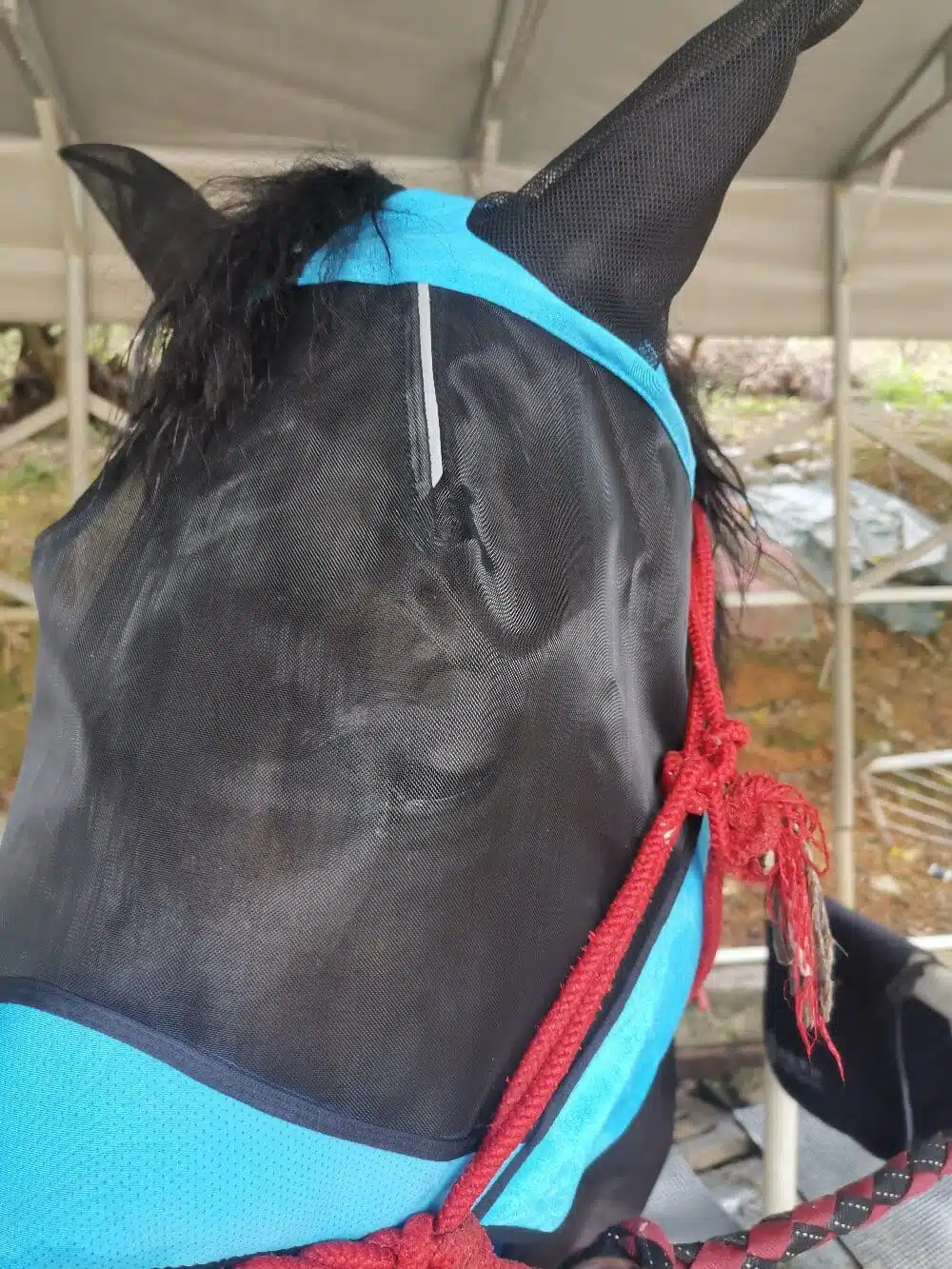

Let’s be perfectly honest; a horse fly mask isn’t just another piece of equestrian gear. It is, in my considered opinion, one of the most crucial and underappreciated investments a responsible owner can make for their horse’s daily comfort and long-term ocular health. While many see it as a simple mesh screen to keep flies at bay, I see it as the first line of defense against a world of aerial irritants that can turn a peaceful pasture into a source of constant agitation and potential injury. The relentless buzzing, the painful bites on tender facial skin, and the very real threat of eye infections or trauma are realities our equine partners should not have to endure. From my years in the field, observing and consulting on equine welfare, the difference in a horse’s demeanor when wearing a well-fitted mask versus suffering unprotected is not subtle; it’s the difference between contented grazing and frantic head-tossing, between a calm partner and a stressed one.
The Unseen Dangers: More Than Just an Itch
The primary function of any quality fly mask is, of course, to shield the eyes from flies. But the threat profile is far more extensive. We’re talking about gnats, mosquitoes, and those dreaded biting midges (Culicoides), which are notorious for causing sweet itch, a debilitating allergic reaction. Beyond insects, a good equine fly mask provides a barrier against dust, pollen, and airborne allergens that can lead to conjunctivitis and watery, uncomfortable eyes. Furthermore, it offers protection from harmful ultraviolet rays. For horses with light-colored faces or those with conditions like uveitis, this UV protection is not a luxury; it’s a medical necessity. I’ve seen too many cases where a simple, preventative measure could have spared a horse significant discomfort and an owner a substantial veterinary bill. The mask acts as a physical shield, preventing scratches from branches, tall grasses, or even playful herd mates, which can lead to corneal ulcers—serious injuries that can compromise vision.
Choosing the Right Fly Mask: A Tailored Approach
Not all fly protection is created equal, and selecting the right one requires a thoughtful approach. The market is flooded with options, and your choice should be dictated by your horse’s individual needs, environment, and temperament.
- Fit is Paramount: This cannot be overstated. A mask that is too tight will rub, causing bald spots and sores, while one that is too loose is a hazard, potentially slipping and impairing vision or getting caught on fencing. It should sit comfortably around the ears, lay flat against the cheeks without gaping, and allow full eyelid movement.
- Material and Visibility: Look for a soft, durable mesh that provides excellent visibility for the horse. Some newer materials are also treated with UV-inhibiting technology for added sun protection. The nose cover is a valuable feature for horses particularly plagued by flies on their muzzles, but ensure it doesn’t interfere with eating or drinking.
- Specialized Features: For horses that are turned out 24/7, a mask with ears and a forelock hole offers more comprehensive coverage. For those prone to rubbing or who are escape artists, a style with a breakaway crown piece or elasticized safety features is a wise safety investment.
The Expert’s Verdict on Fly Mask Care and Usage
Proper management of your horse’s fly mask is as important as the initial selection. It’s a piece of equipment that requires daily attention. I make it a non-negotiable practice to remove the mask daily to check for any irritation, debris, or signs of rubbing. This is also the perfect time to wipe the inside of the mask clean and to ensure the horse’s eyes are clear and healthy. A dirty mask can trap sweat and grime against the skin, leading to bacterial or fungal issues, completely negating its protective purpose. During this daily check, I also inspect the mask itself for any tears or worn-out elastic that could compromise its safety. Furthermore, I advocate for having a spare mask. This allows you to rotate them, ensuring one is always clean and dry, and provides a backup if one gets damaged or lost in the field.
A Final Thought on Peace of Mind
In the grand scheme of horse ownership, the humble fly mask represents a profound commitment to preventative care. It is a simple, relatively inexpensive tool that directly contributes to a horse’s quality of life. By providing a consistent barrier against physical and allergenic threats, we grant our horses the simple pleasure of a peaceful day at pasture. The sight of a horse grazing calmly, its eyes safe from the relentless assault of insects and the sun, is a testament to thoughtful stewardship. It’s a small act that speaks volumes about our dedication to their well-being, ensuring their world remains as comfortable and worry-free as we can possibly make it.