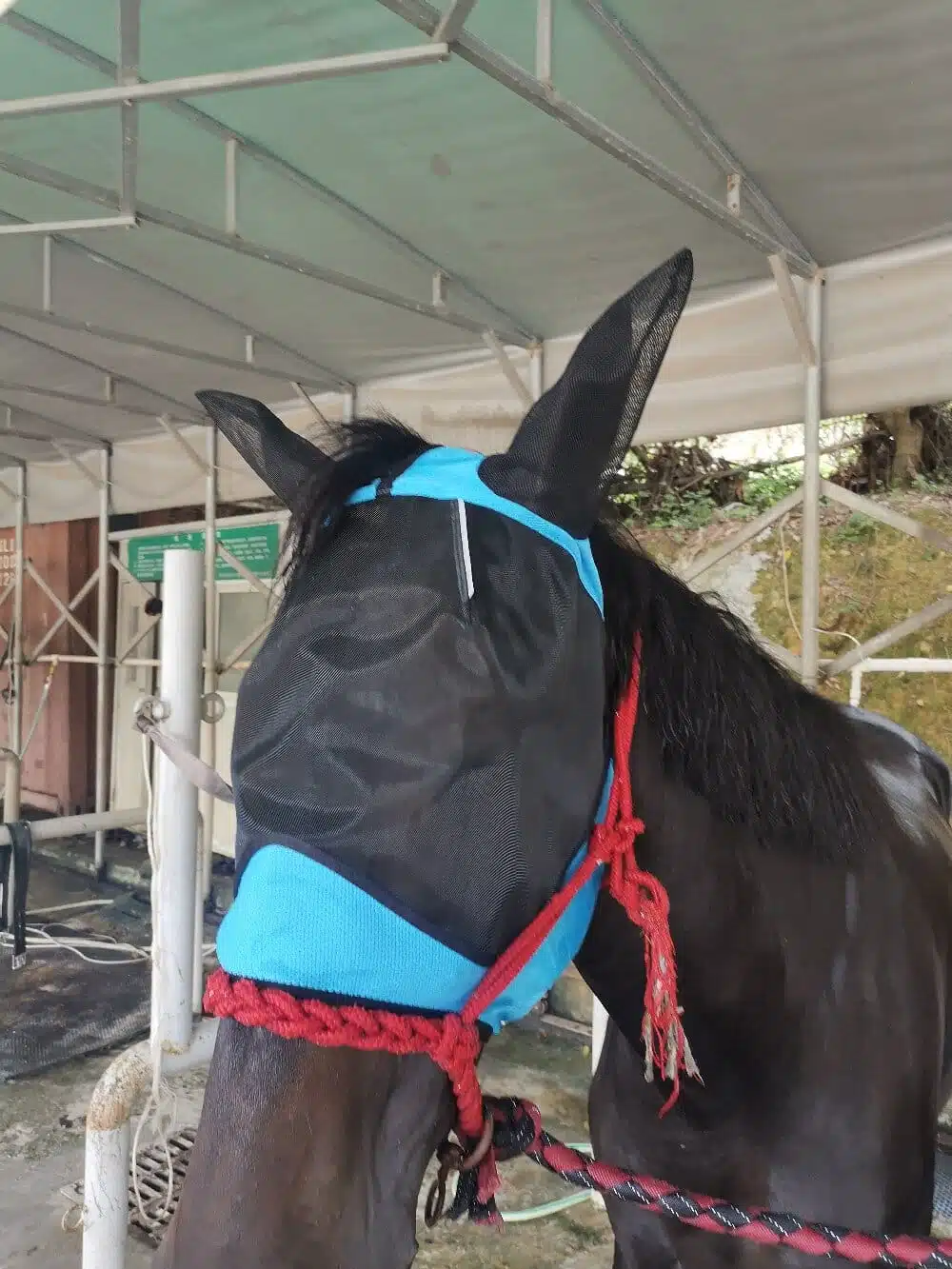

When you’re dedicated to your horse’s comfort and well-being, a horse fly mask is far more than a simple accessory; it’s an essential piece of protective gear. Today’s equestrian market is buzzing with innovation, moving beyond basic netting to offer high-tech solutions that shield your equine partner from pests, UV rays, and environmental irritants. Choosing the right fly protection is a key part of modern, proactive horse care, ensuring your horse stays focused, comfortable, and healthy throughout the fly season and beyond.
Gone are the days of one-size-fits-all, flimsy netting. The latest trends in equestrian fly gear focus on specialized materials and smart design. You’ll now find masks crafted from advanced, lightweight mesh that offers superior airflow while providing a physical barrier against flies, gnats, and mosquitoes. Many top-tier models incorporate durable, rip-resistant fabrics that withstand the rigors of pasture life. Furthermore, the integration of ultra-strong yet soft elastic and breakaway safety features, like velcro crowns or quick-release tabs, ensures a secure yet safe fit that prioritizes your horse’s safety should it get caught on a fence or branch.
Why a Modern Horse Fly Mask is a Must-Have
Investing in a quality fly mask does much more than just prevent annoying bites. Consistent use protects your horse’s sensitive eyes from painful conditions like conjunctivitis and corneal ulcers caused by flies. Modern masks with extended nose covers, often called fly fringes or bonnets, safeguard the muzzle from sores and irritation. Perhaps the most significant advancement is the widespread adoption of UV-protective fabrics. Just as you wear sunscreen, your horse needs protection from harmful ultraviolet rays to prevent sunburn on pink noses and around the eyes, reducing the risk of serious conditions like squamous cell carcinoma.
Choosing the Perfect Fly Mask for Your Equine Partner
With so many options, selecting the right mask can feel overwhelming. Start by considering your horse’s primary environment and needs. For 24/7 turnout, look for a durable, full-coverage style with UV protection. For riding or training, a sleek ear bonnet with attached fringe might be ideal. Key features to evaluate include:
- Fit & Comfort: It should be snug but not tight, with no rubbing on the eyes, ears, or poll. Adjustable straps are crucial.
- Visibility & Breathability: Ensure the mesh is fine enough to block tiny gnats but large enough for clear vision and excellent air circulation.
- Specialized Designs: Consider masks with detachable nose covers, ear covers for insect-sensitive ears, or even models designed for mules and donkeys.
- Ease of Cleaning: Masks get dirty quickly. Choose one that is machine washable for easy maintenance.
Beyond the Basics: Smart Care for Fly Season
Your horse’s fly mask is a cornerstone of a comprehensive pest management strategy. Pair it with other modern solutions like fly repellent sprays, systemic feed-through supplements, and well-placed traps in the barn and paddock. Remember to establish a daily routine of removing the mask to check for any dirt, debris, or signs of rubbing or infection. This quick check allows you to clean the mask and your horse’s face, ensuring continued comfort and effectiveness. Proper care extends the life of the gear and, most importantly, keeps your horse happy.
Ultimately, embracing the latest in fly mask technology is a clear demonstration of thoughtful stewardship. By selecting a well-designed mask that offers comprehensive protection, you’re not just fighting flies—you’re investing in your horse’s long-term ocular health, skin integrity, and overall peace of mind. It’s a simple, effective tool that allows your horse to enjoy the outdoors safely, making every grazing moment more pleasant and productive.