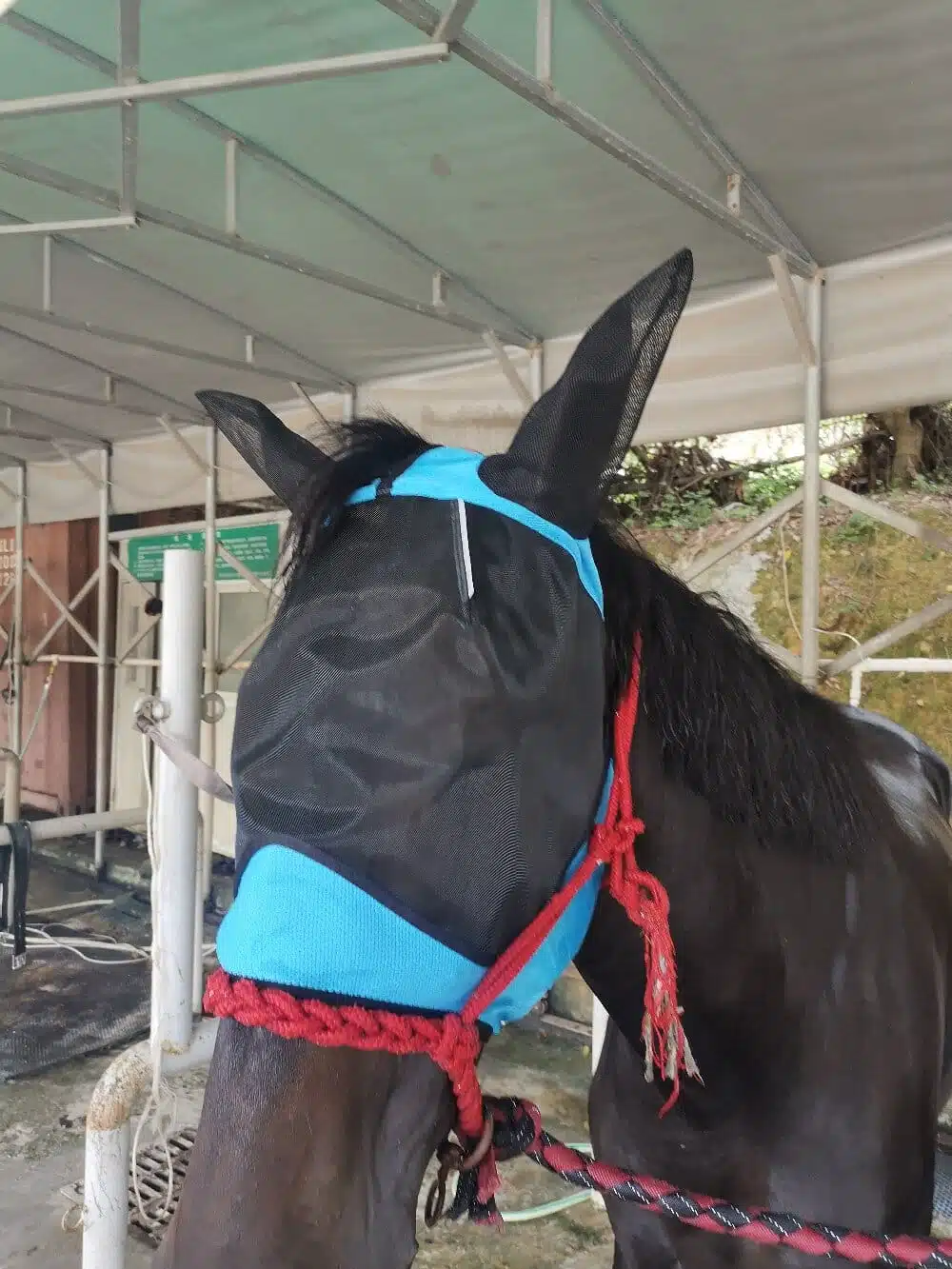

For the modern equestrian, the horse fly mask is far more than a simple accessory; it is a critical piece of welfare equipment. This case study explores the multifaceted role of this essential gear, moving beyond its basic function to examine its impact from the perspectives of horse health, owner peace of mind, and performance outcomes. By delving into real-world applications and expert insights, we uncover why a simple mesh face covering has become a non-negotiable staple in barns and pastures worldwide.
Our investigation begins with the physical design of an effective fly protection mask. The primary purpose is to shield a horse’s sensitive eyes, ears, and muzzle from biting insects like flies, gnats, and mosquitoes. A high-quality mask utilizes a fine, durable mesh that provides a physical barrier while maintaining excellent visibility and airflow. Key features observed in top-performing models include soft, padded edges to prevent rubbing, a secure yet comfortable fit system (often with adjustable straps and a breakaway safety feature), and extended coverage options for ears and muzzles. This thoughtful design directly translates to a significant reduction in insect-borne irritation and stress for the animal.
The Veterinary Perspective: Health Benefits Beyond Bug Protection
From a health standpoint, the benefits of using a fly sheet and mask system are profound. Veterinarians consistently highlight several critical advantages:
- Prevention of Eye Conditions: By blocking flies, masks drastically reduce the risk of conjunctivitis, corneal ulcers, and infections caused by constant irritation and rubbing.
- Reduction of Allergic Reactions: Horses with insect bite hypersensitivity (often called “sweet itch”) find immense relief, as masks prevent the bites that trigger severe itching, hair loss, and skin damage.
- Minimized Disease Transmission: Insects are vectors for diseases like Equine Infectious Anemia and various eye worms. A mask acts as a first line of defense, contributing to overall herd health management.
This perspective frames the fly mask not as a seasonal convenience, but as a proactive healthcare measure.
The Owner and Trainer’s Viewpoint: Behavioral and Performance Gains
For owners, trainers, and riders, the impact of a fly veil is visibly evident in a horse’s demeanor and performance. A horse tormented by flies is distracted, anxious, and prone to dangerous defensive behaviors such as head-tossing, bolting, or refusing to work. By providing consistent relief, a well-fitted face mask allows the horse to focus, relax, and engage in training or grazing peacefully. This leads to safer handling, more productive training sessions, and a generally happier equine partner. The investment in good fly gear pays dividends in saved time, reduced veterinary bills, and enhanced trust between horse and human.
Choosing the Right Fly Mask: A Practical Guide
Selecting the appropriate equine fly mask requires careful consideration. The market offers a range from standard eye covers to full-face and ear cover models. Factors to evaluate include the horse’s environment (pasture vs. stall), specific sensitivity levels, and climate. A proper fit is paramount—it should be snug enough not to slip but loose enough to allow full jaw movement. Regular cleaning of the mesh is essential to maintain visibility and hygiene, and frequent checks for wear and tear ensure ongoing protection and safety.
Conclusion: An Essential Tool for Modern Horse Care
This multi-perspective analysis confirms that the horse fly mask is a cornerstone of responsible equine management. It successfully bridges the gap between essential health protection and quality-of-life improvement. By understanding its value from the standpoints of veterinary science, behavioral welfare, and practical husbandry, horse owners can make informed decisions that significantly enhance their horse’s comfort and well-being. Ultimately, this simple piece of equestrian equipment proves that the best care often lies in preventing problems before they start, allowing horses to thrive in comfort throughout the challenging insect seasons.