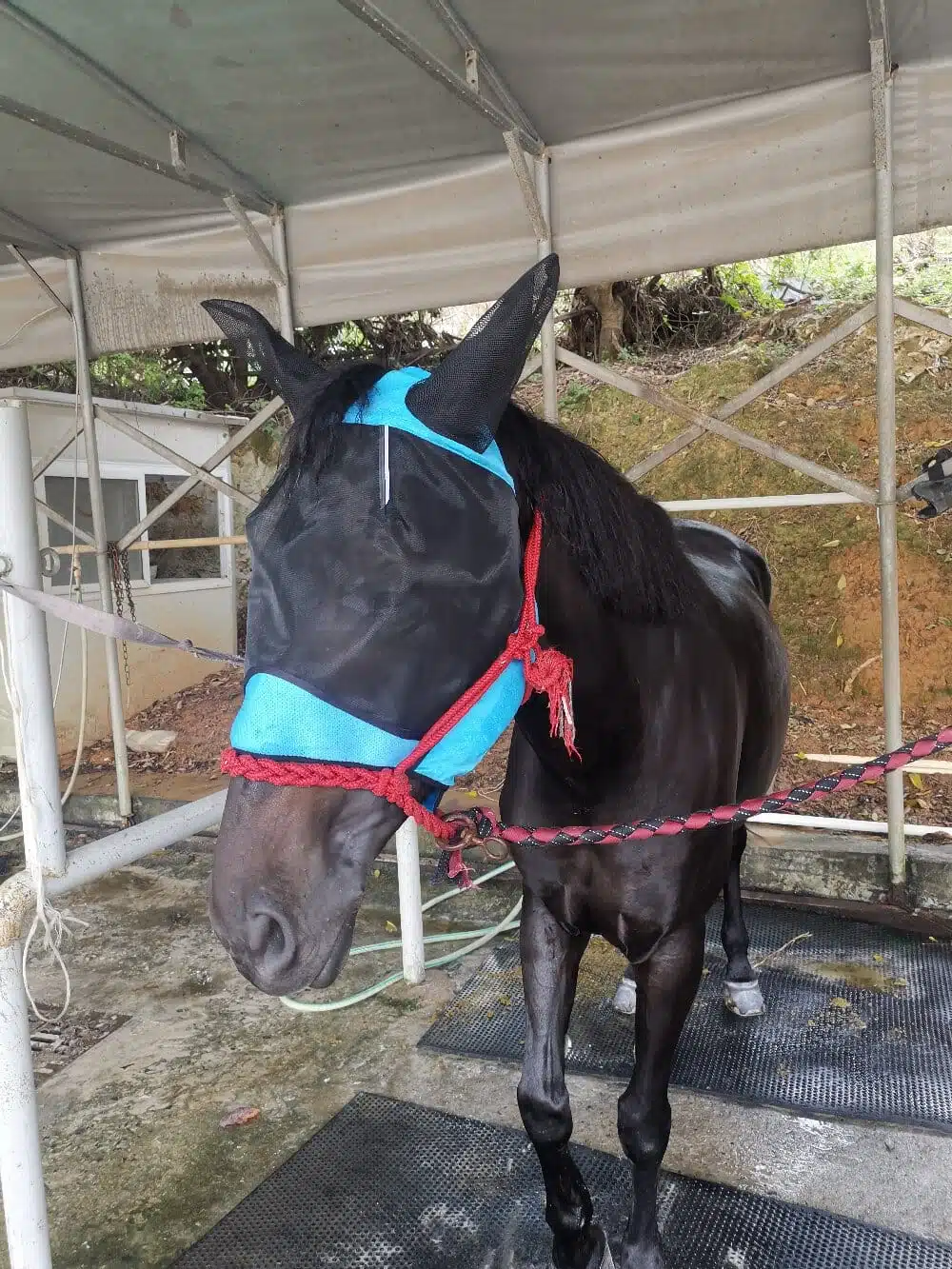

When you’re analyzing your horse’s gear for performance and comfort, the horse fly mask is a piece of equipment that demands a closer look. Far more than a simple nuisance deterrent, this protective gear functions as a critical barrier against environmental irritants, UV rays, and biting insects that can compromise your horse’s well-being and focus. From a technical standpoint, choosing the right mask involves evaluating materials, design features, and anatomical fit with the same precision you’d apply to selecting a saddle or bridle. Let’s break down the key components to help you make an informed, strategic decision for your equine partner.
Technical Analysis: Deconstructing the Modern Fly Mask
Think of a fly mask as a piece of performance engineering. The primary technical elements fall into three categories: material science, anatomical design, and functional features. The mesh fabric is the first line of defense; modern options often use a durable, lightweight polyester or nylon blend with varying denier ratings. A higher UV protection factor (UPF 50+ is ideal) is non-negotiable for horses with light-sensitive eyes or pink skin. The mesh must be fine enough to block the smallest gnats, yet robust enough to resist tearing from pasture antics or rubbing.
Key Features for Optimal Performance and Protection
Beyond the basic mesh, superior fly protection integrates several key features. A well-designed ear cover is essential, as ears are prime targets for flies and can be a source of great agitation. Look for soft, breathable ear nets that don’t muffle sound. A comfortable nose flap extends protection to the muzzle, a common site for painful bites. Perhaps most crucially, the closure system must be secure yet safe. Breakaway velcro, elastic, or surcingle-style straps should allow the mask to detach under significant pressure, preventing injury. Finally, consider visibility and airflow; the mesh should not distort your horse’s vision or trap excessive heat.
Selecting the Perfect Horse Fly Mask: A Fit and Function Checklist
Your technical analysis is useless without a perfect fit. An ill-fitting mask can cause rubs, slip, and fail to protect. Follow this checklist when fitting your horse’s fly gear:
- Eye Clearance: Ensure the mesh does not touch the eyelashes or cornea. There should be a full finger’s width of space around the eye orbit.
- Forehead and Cheek Fit: The mask should lie flat without wrinkles that could cause pressure points or rubs, especially over prominent cheekbones.
- Ear Alignment: Ear covers should sit neatly without twisting the ear or pulling it forward/backward.
- Strap Security: Check that the poll strap lies behind the ears without pinching, and the chin strap (if present) is snug but allows full jaw movement.
Advanced Considerations and Seasonal Management
For horses with specific needs, the market offers advanced solutions. Fly masks with silicone-lined edges prevent rubbing for sensitive-skinned horses. For equines prone to eye issues like uveitis, a mask with a darker tint can provide essential light reduction. Your management routine is also part of the technical equation. Inspect the mask daily for tears, debris, and fit. Clean it regularly according to the manufacturer’s instructions to maintain UV protection and hygiene. Remember to remove the mask periodically to check the skin underneath and give your horse a break, ideally during times of low insect activity.
Conclusion: An Investment in Equine Welfare
From a technical analysis perspective, a high-quality horse fly mask is a sophisticated piece of protective equipment that directly contributes to your horse’s physical health and mental state. By understanding the materials, prioritizing anatomical fit, and selecting features that match your horse’s environment and needs, you make a proactive investment. It prevents the distraction and pain caused by insects and sun, allowing your horse to graze, rest, and work in greater comfort. Ultimately, this simple piece of gear is a profound demonstration of thoughtful, preventative care, ensuring your partner remains happy, healthy, and focused throughout the fly season.