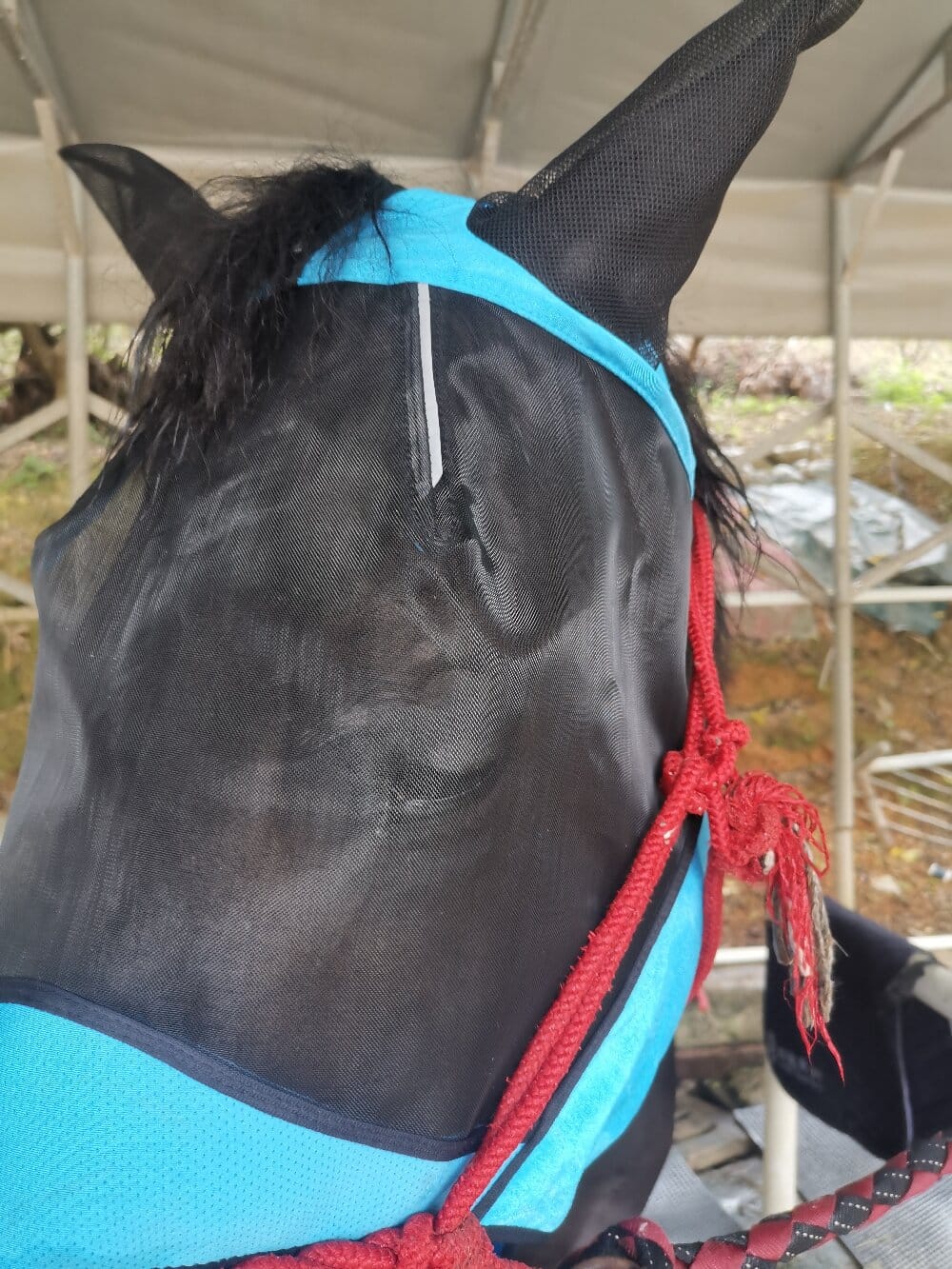
If you own a horse, you have likely stood in a tack shop or scrolled through an online catalog, staring at a wall of mesh hoods and wondering whether a horse fly mask is genuinely necessary or just another equestrian upsell. That skepticism is healthy. The equine market is crowded with products claiming to solve every problem from sunburn to stress, and not all of them earn their price tag. So before you click “add to cart,” let us apply some critical thinking to the humble equine face covering and separate measurable benefits from marketing mythology.
What a Horse Fly Mask Actually Does
At its core, this piece of equipment is a mesh barrier that fits over your horse’s face, ears, and sometimes the muzzle. Its stated purpose is simple: keep flying insects away from sensitive areas like the eyes, nostrils, and poll. But does it work? The answer depends on several variables you should evaluate honestly:
- Mesh density: Finer mesh blocks smaller insects but reduces airflow and visibility.
- Fit: A loose mask lets bugs crawl underneath; a tight one rubs and causes sores.
- Material durability: Cheap fabric tears within weeks, turning a bargain into a recurring expense.
- UV protection: Some masks claim to shield against sun damage, but not all fabrics block UV rays equally.
Notice that none of these factors involve brand hype. They are physical properties you can inspect and test yourself. If a product cannot survive a season of turnout, it fails regardless of what the packaging promises.
Critical Thinking About Horse Fly Mask Claims
Ask yourself a harder question: are you buying protection or buying peace of mind? Those are not always the same thing. A horse with a thick winter coat and access to a shady run-in shed may not need a mask at all. Conversely, a thin-skinned show horse standing in a wet pasture during peak deer fly season likely benefits enormously. Your climate, your horse’s individual sensitivity, and your management practices matter far more than any generic recommendation.
Consider the counterargument. Some equine researchers and experienced owners point out that masks can cause more harm than good when used improperly. They can trap heat, obscure peripheral vision, and create friction wounds. You should weigh these risks against the genuine discomfort of fly bites, which can transmit diseases like equine infectious anemia and cause corneal ulcers when insects cluster around the eyes. The rational approach is not blind acceptance or blanket rejection, but a cost-benefit analysis specific to your situation.
How to Evaluate a Horse Fly Mask Before You Buy
When you shop, adopt the mindset of an investigator rather than a consumer. Look for independent reviews that mention long-term durability, not just unboxing excitement. Check whether the manufacturer specifies the mesh rating or UV protection factor. Test the fit by measuring your horse’s head from poll to throatlatch and comparing it to the sizing chart. If a company refuses to provide measurements, that is a red flag.
Also, think about secondary keywords like “fly mask with ears” or “fly mask with nose coverage.” Those features solve specific problems, but they also add cost and potential irritation. Buy only what addresses a documented issue you have observed, not what a flashy advertisement suggests you need.
Practical Alternatives and Combinations
You might find that a mask alone is insufficient. Fly sprays, leg wraps, and fans in the barn can complement or even replace it depending on the day. Rotate your strategy. Use the mask during peak fly hours, remove it during rest periods, and inspect your horse’s face daily for rubs or swelling. This flexible approach respects both your horse’s comfort and your budget.
Final Verdict: Think Before You Cover
A horse fly mask is a tool, not a miracle. It works brilliantly for some horses in some conditions and poorly for others. By questioning claims, measuring real-world results, and tailoring your choices to your horse’s unique needs, you become a better guardian. Do not let marketing decide what goes on your horse’s face. Let evidence and observation lead the way.