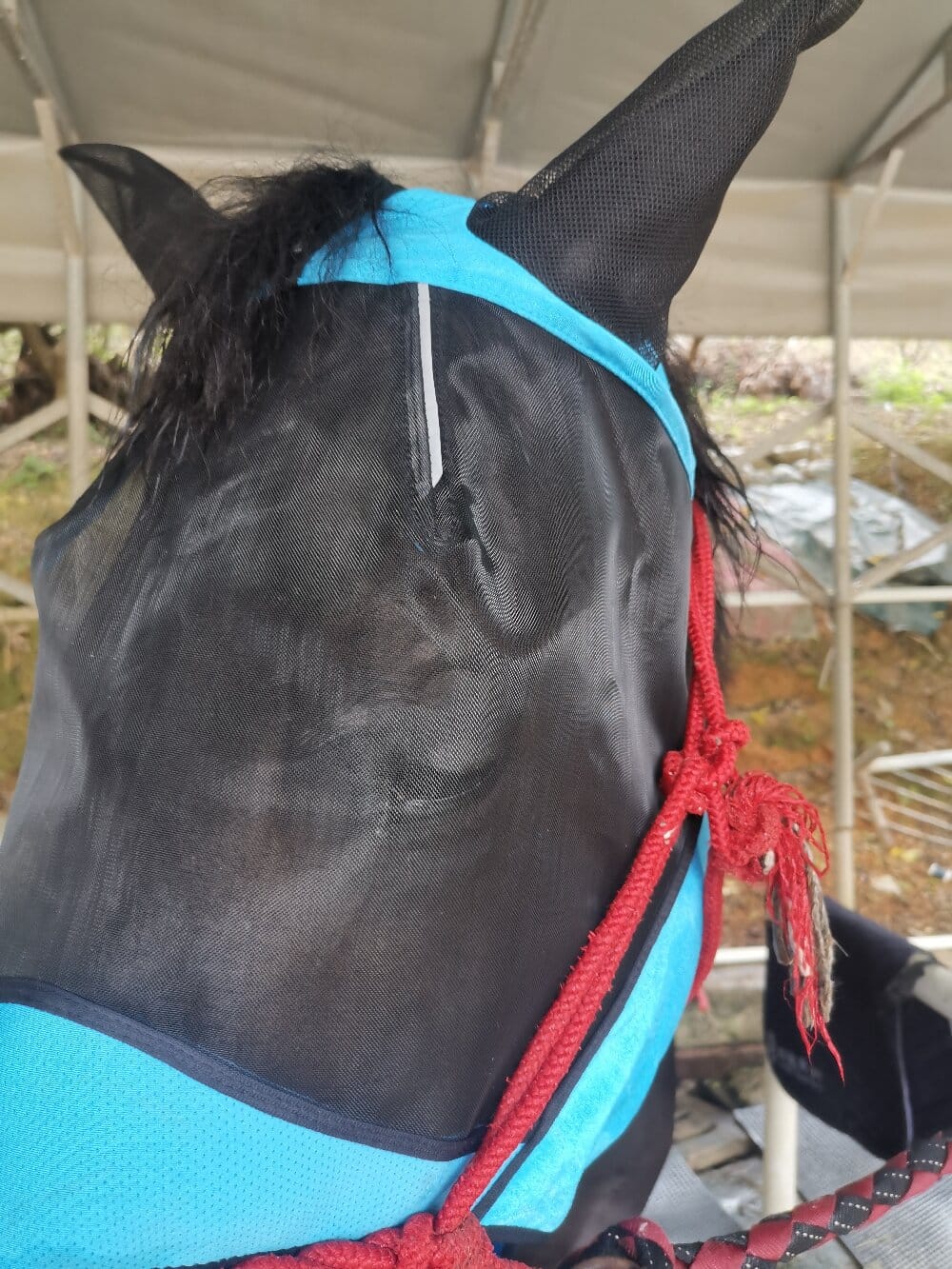
Across equestrian traditions worldwide, the horse fly mask represents a fascinating intersection of practicality, animal welfare, and cultural identity. While many modern riders view it simply as a protective accessory, its history and evolving design reveal deeper relationships between humans, horses, and the environments they share. From the dusty paddocks of the American West to the refined stables of Europe and the pastoral landscapes of Asia, the fly mask has served as a quiet but essential tool in the daily care of equines.
Historical Roots and Regional Traditions
Before synthetic mesh and UV-blocking fabrics, horse owners improvised with leather strips, woven grasses, and even cloth veils. In ancient Egypt, horses hitched to chariots were sometimes draped with lightweight linen to keep biting insects at bay. In medieval Europe, knights’ horses wore decorative face coverings that offered limited protection during campaigns. These early solutions were less about comfort and more about preserving a valuable animal’s focus and health.
Indigenous cultures in North America used natural materials such as tanned hide and plant fibers to craft rudimentary face guards. Meanwhile, in Japan, traditional horse tack included elaborate browbands and cheekpieces that, while mainly ornamental, occasionally incorporated loose netting to deter flies. Each region adapted the concept to local climate, insect pressure, and available materials, creating a rich tapestry of design diversity.
Why the Horse Fly Mask Became a Global Standard
The twentieth century brought mass-produced mesh fabrics, and the horse fly mask transformed from a folk remedy into a mainstream equestrian staple. Its rise parallels growing awareness of equine ophthalmology and insect-borne diseases. Today, veterinarians recommend fly masks to prevent conditions such as conjunctivitis, habronemiasis, and summer sores, which are spread by face flies and stable flies.
Cultural attitudes toward animal husbandry also shifted. As horses transitioned from work animals to companions and sport partners, owners began investing in comfort-driven gear. The fly mask became a symbol of conscientious care, worn by everything from prized show jumpers to retired pasture mates.
Design Variations Across Cultures
Modern fly masks come in several styles, each reflecting different priorities:
- Standard mesh masks: Cover the eyes and sometimes the ears, offering basic fly protection.
- Long-nose masks: Extend down the muzzle, popular in regions with dense horse fly populations.
- UV-blocking masks: Feature darker mesh to reduce sun glare, common in Australia and the southern United States.
- Ear bonnets with masks: Integrated designs that protect against both flies and noise, used in sensitive training environments.
In parts of Africa and South America, local artisans still hand-stitch masks from breathable cotton, blending traditional craft with modern functionality. These regional variations highlight how the same basic need—protecting a horse’s face—can yield vastly different cultural expressions.
Symbolism and Practicality in Equestrian Communities
Within equestrian circles, the horse fly mask carries subtle social meanings. A brightly colored mask might signal a playful barn personality, while a muted, well-fitted design suggests a focus on tradition and discipline. In endurance racing, lightweight masks are essential gear, while in therapeutic riding programs, they help keep horses calm and comfortable for riders with special needs.
The mask also reflects seasonal rhythms. In spring and summer, it becomes as routine as fly spray and fans. In winter, it is often washed, stored, and repaired, ready for the next insect season. This cyclical use ties owners to natural cycles and reinforces a sense of stewardship.
Conclusion: A Small Accessory with Deep Cultural Meaning
The horse fly mask is far more than a piece of mesh. It embodies centuries of adaptation, regional craftsmanship, and evolving ethics in animal care. From ancient linen veils to today’s precision-engineered designs, it tells a story of how humans have learned to listen to their horses’ needs. Whether seen in a dusty arena, a lush pasture, or a competitive showground, this humble accessory remains a quiet testament to the bond between people and equines—and to the universal desire to protect what we cherish.