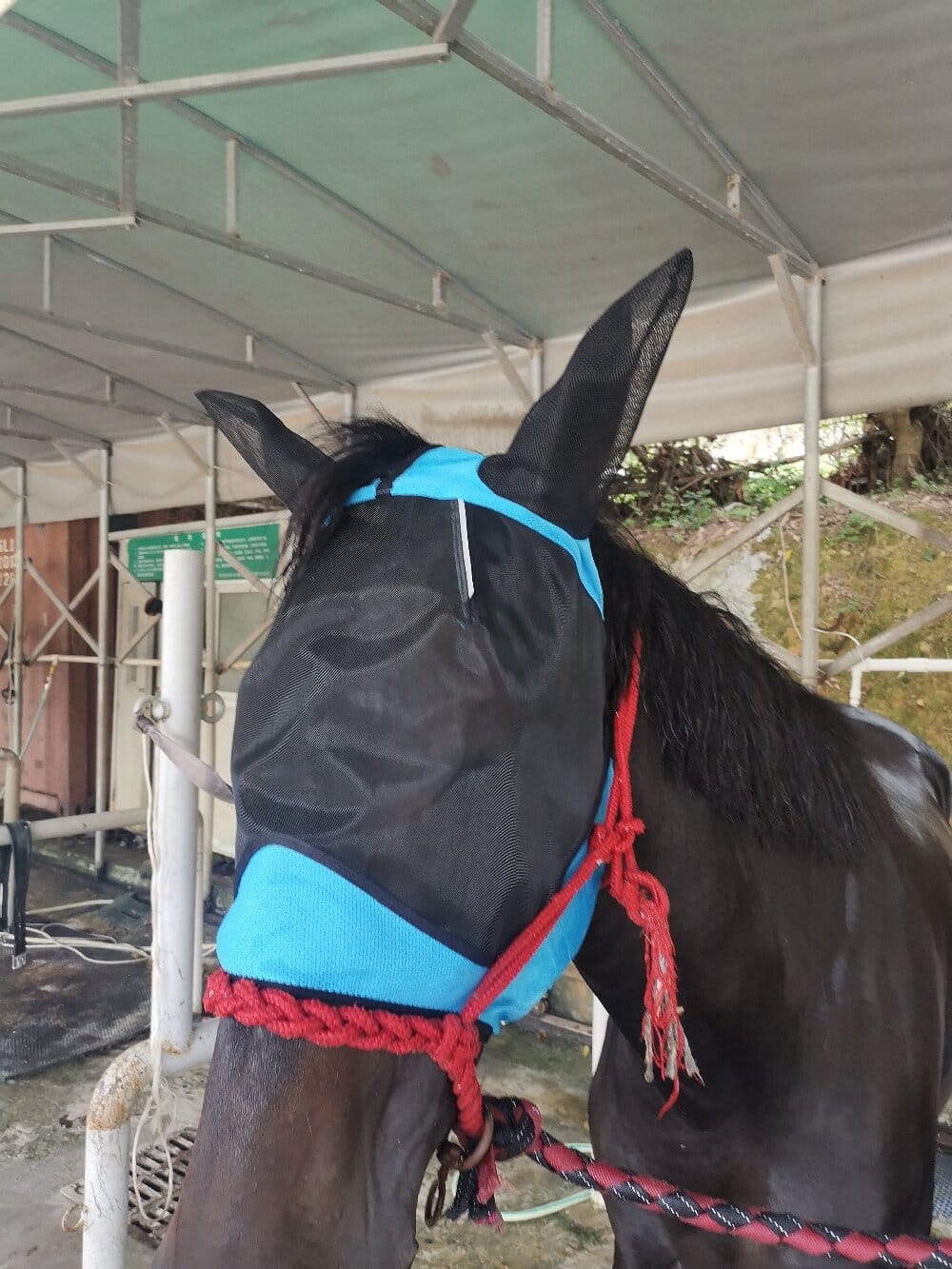
Equine owners and barn managers frequently observe that a horse fly mask is more than a simple piece of fabric. From a methodology perspective, these devices are designed to interrupt the chain of irritation caused by flying insects, ultraviolet radiation, and airborne debris. The core principle relies on creating a physical barrier that sits away from the eyes while allowing airflow and unobstructed vision. This article examines the systematic approach to selecting, fitting, and maintaining fly masks, offering a structured method for equine care practitioners and casual riders alike.
Methodology for Selecting the Right Fly Mask
A methodical selection process begins with assessing the horse’s environment and individual sensitivity. Not all masks serve the same purpose. The following steps outline a practical framework:
- Identify the primary threat: face flies, stable flies, gnats, or UV glare.
- Measure the horse’s head from poll to muzzle to determine correct sizing.
- Choose materials based on durability and breathability, such as mesh density and binding quality.
- Evaluate the fit around the ears and nose, ensuring no gaps for insects to enter.
- Consider the horse’s temperament and pasture dynamics to avoid removal by herdmates.
This method reduces guesswork and improves compliance. A correctly fitted mask should not rub the eyelashes or create pressure points behind the ears.
Placement and Adjustment Protocol
Proper placement follows a repeatable sequence. First, ensure the horse is calm and haltered. Second, slide the mask over the muzzle and ears, then fasten all closures. Third, check that the mesh sits at least one centimeter from the eye surface. Fourth, verify that the lower edge does not interfere with grazing or drinking. Finally, observe the horse for ten minutes after application. This protocol minimizes stress and maximizes protection.
Maintenance and Hygiene Methodology
Consistent care extends the life of any fly mask and protects equine health. A weekly inspection should include checking for tears, stretched elastic, and debris buildup. Wash the mask every seven to ten days using a mild, horse-safe detergent. Rinse thoroughly to remove soap residue, then air dry in shade. Avoid direct sunlight during drying, as it can degrade synthetic fabrics. Rotation between two masks allows one to be cleaned while the other is worn, a simple methodological improvement for busy barns.
Evaluating Effectiveness and Common Pitfalls
Not every mask works for every horse. Common pitfalls include:
- Oversized masks that slide and expose the eyes.
- Undersized masks that press against the eyelids.
- Missing ear covers in regions with high gnat populations.
- Ignoring signs of rubbing, such as hair loss or skin irritation.
A daily visual check takes less than a minute. If the horse shows head shaking, rubbing, or resistance, remove the mask and reassess the fit.
Integrating Fly Masks into Broader Insect Control
No single tool solves every problem. A methodology that combines fly masks with fly sprays, fans, and manure management yields better results. Place masks on horses during peak fly hours, usually dawn and dusk. For horses with pink skin or chronic uveitis, choose masks with ultraviolet-blocking mesh. Document each horse’s response in a simple log. Over time, patterns emerge that guide seasonal adjustments.
Conclusion
Applying a structured methodology to horse fly mask use—selection, placement, maintenance, and evaluation—improves comfort and eye health. Owners who follow these steps reduce insect-borne irritation, minimize rubbing injuries, and extend the product’s lifespan. The method requires only a few minutes per day but delivers measurable welfare benefits.