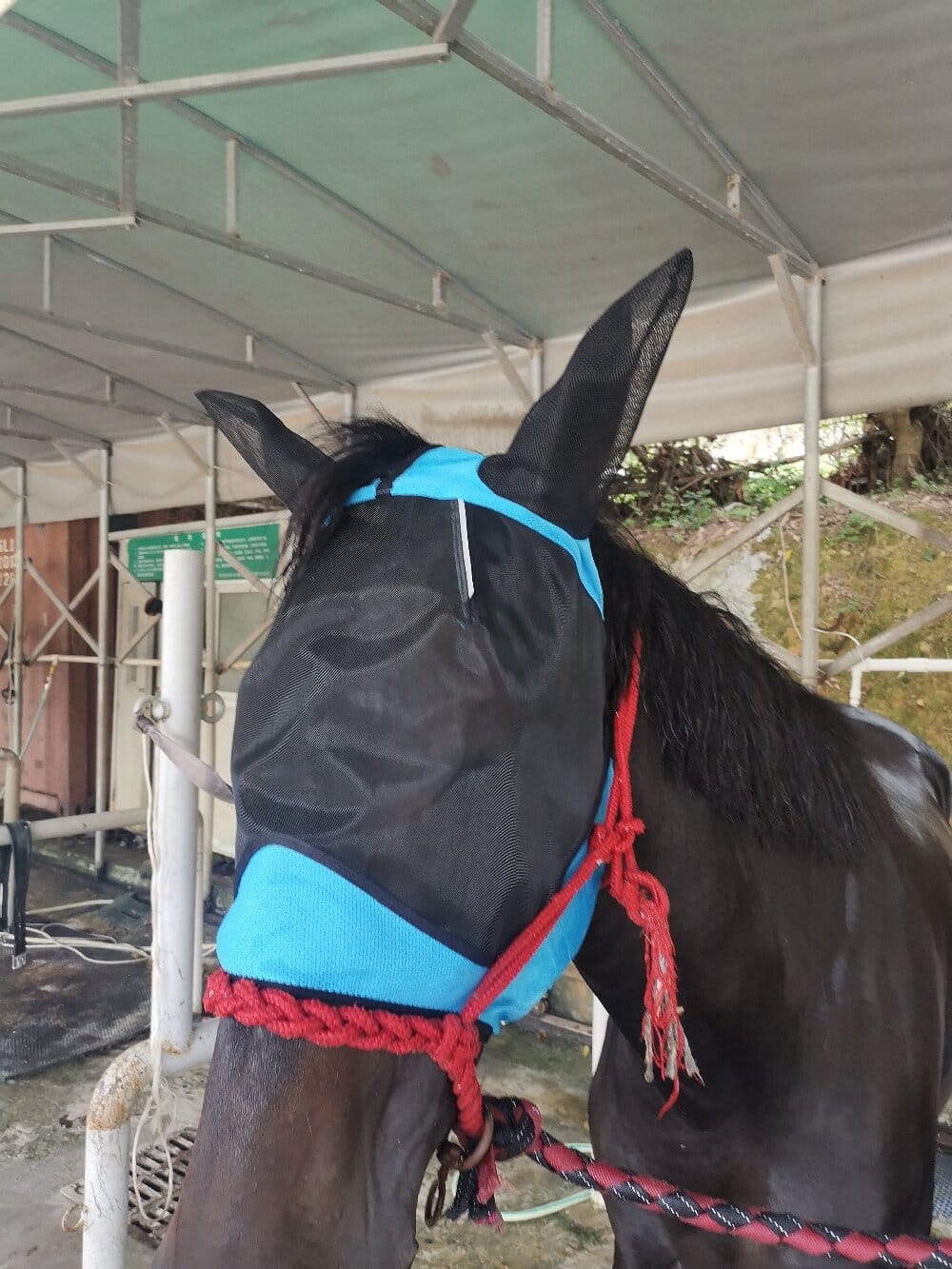
For horse owners and stable managers, protecting equines from flying insects is a constant challenge. Among the various solutions available, the horse fly mask has become an essential piece of equipment for many. From a methodological perspective, the approach to selecting and using these masks involves a systematic evaluation of materials, design features, and environmental conditions. This article examines the functional principles behind these protective coverings, the criteria for proper selection, and best practices for implementation in daily care routines.
Materials and Design Principles Behind the Horse Fly Mask
The construction of a reliable fly mask follows a clear methodology centered on three functional requirements: physical barriers, visibility, and durability. Most masks are made from fine mesh materials that prevent insects from reaching the eyes and face while allowing adequate airflow and vision. The mesh density is a critical variable. A tighter weave offers superior protection against small insects such as gnats and midges, but it may reduce visibility in low-light conditions. A looser weave improves sight but can allow smaller pests to penetrate.
Design features typically include fleece or padded edges along the brow and nose to prevent rubbing, adjustable straps for a secure fit, and sometimes ear covers for added protection. Some masks extend down the nose to shield the muzzle from sunburn and flies. The methodology of choosing the right design depends largely on the horse’s environment and temperament. For example, horses on pasture with heavy gnat populations may benefit from a full-face mask with ear covers, while those in a stable with occasional flies may only need a standard eye mask.
Evaluating Fit and Comfort in Equine Fly Protection
Proper fit is arguably the most important factor in the effective use of any horse fly mask. A mask that is too tight can cause pressure sores, while one that is too loose may shift, exposing the eyes or becoming a hazard if caught on fencing. The systematic approach to fitting involves measuring the horse’s head from the poll to the muzzle, checking the circumference around the jaw, and observing the horse’s behavior after application.
Owners should follow a step-by-step evaluation:
- Measure the length from the top of the head to the tip of the nose to determine size.
- Ensure the mask sits away from the eyes, creating a small gap for eyelashes to move freely.
- Check that ear openings, if present, do not press against the base of the ears.
- Observe the horse for signs of discomfort, such as head shaking or rubbing.
- Inspect for rubbing after the first few hours of wear.
This methodical process helps prevent common issues and ensures the horse remains comfortable while receiving protection.
Maintenance and Long-Term Use Protocols
To maximize the lifespan and hygiene of fly masks, a regular maintenance schedule is necessary. Masks should be inspected daily for tears, stretched straps, or debris trapped in the mesh. Washing them every one to two weeks with mild soap and warm water removes sweat, dirt, and insect residue. Air drying is preferred over machine drying, as heat can warp the mesh or elastic components.
From a methodological standpoint, rotating between two masks allows one to be cleaned while the other is in use. This practice also helps identify wear patterns and ensures continuous protection. In addition, seasonal adjustments may be needed. During peak fly season, heavier protection may be required, while lighter masks suffice in cooler months. Horses with sensitive skin or allergies may need masks with softer lining and more frequent changes.
Conclusion
Selecting and using a horse fly mask is not a random decision but a process grounded in observation, measurement, and routine care. By focusing on material quality, correct fit, and consistent maintenance, owners can significantly reduce fly-related stress and eye irritation. The methodology outlined here—evaluating design, fitting systematically, and maintaining regularly—provides a practical framework for anyone seeking effective equine fly protection.