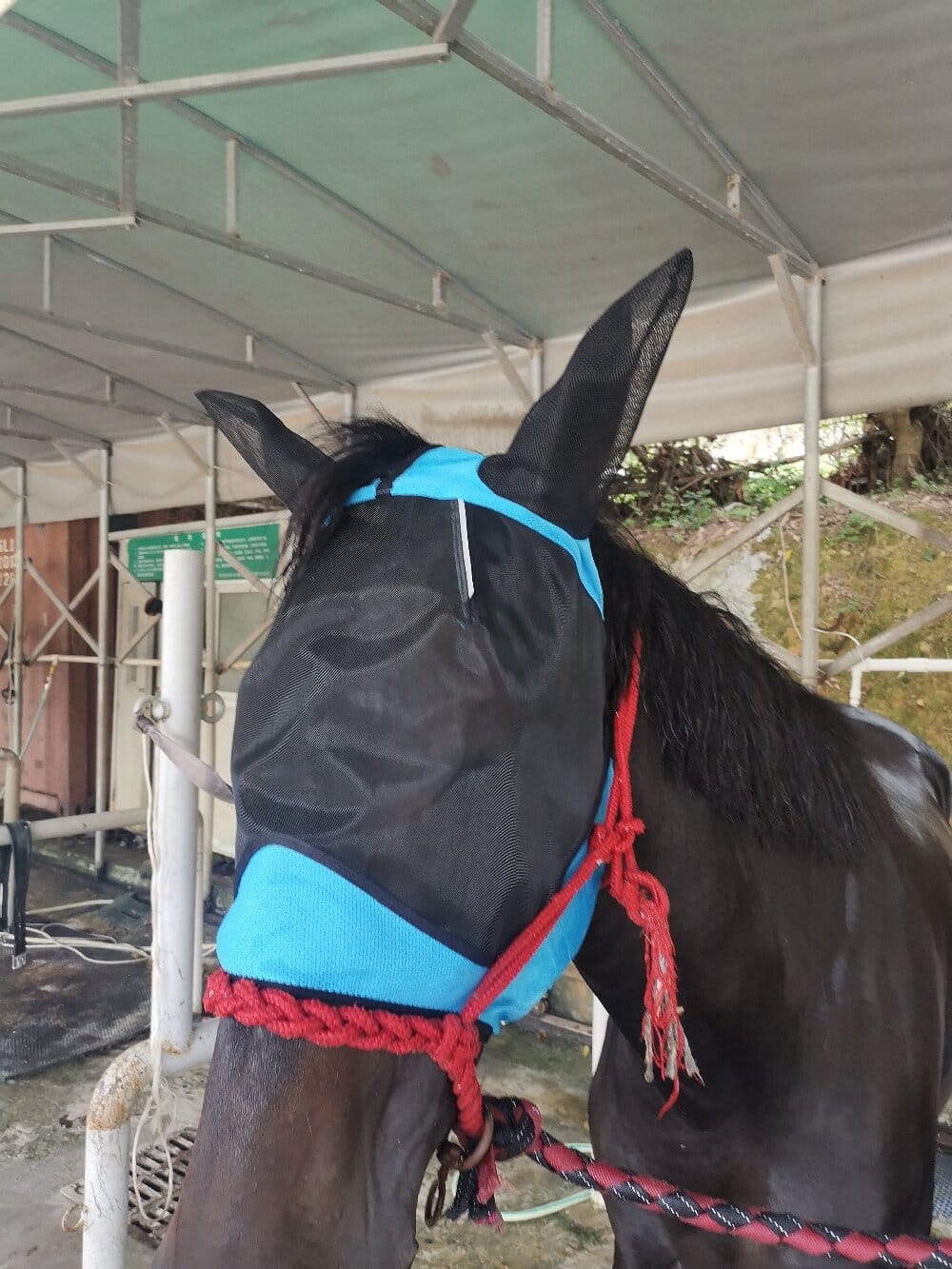
Imagine it is a warm summer afternoon in the year 2035. You are standing at the paddock gate, watching your horse graze peacefully. For decades, you struggled with the relentless onslaught of flies, gnats, and UV glare that plagued your equine partner. But now, you simply check your smartphone. The horse fly mask has evolved far beyond the simple mesh screen of the past. It is now a sophisticated piece of wearable technology, seamlessly integrated into your horse’s daily routine. As you look toward the future, you will see that these devices are no longer just about blocking insects; they are about enhancing the overall health, comfort, and performance of your horse through intelligent design.
From Simple Mesh to Intelligent Barriers
You will likely recall the clunky, abrasive masks of the early 2020s. They were functional but often caused rubs and became saturated with sweat. In the coming years, the materials used in a horse fly mask will undergo a radical transformation. You will see the adoption of self-cleaning, hydrophobic nano-membranes. These materials will repel dirt and moisture while allowing maximum airflow. Instead of stiff binding, the edges will be made of a memory-foam polymer that adapts to the unique contours of your horse’s face, eliminating the risk of pressure sores.
Furthermore, the concept of “one size fits all” will vanish. You will have access to 3D scanning apps that map your horse’s facial structure. This data will be sent to a fabricator that produces a custom-fitted shield. The result is a second-skin feel that stays in place, whether your horse is grazing, rolling, or galloping at full speed.
Integrated Health Monitoring and Sensory Feedback
By the late 2030s, the horse fly mask will serve as a primary health monitoring hub. You will no longer need to guess if your horse is stressed by pests. Embedded micro-sensors will detect heart rate variability, body temperature, and even tear production. If a horse is experiencing irritation from a specific allergen, the mask will alert you via a connected app.
You will also appreciate the optical advancements. Future masks will feature dynamic tinting. Just as transition lenses work for humans, the mask will darken automatically in harsh sunlight and lighten in the shade. This will protect against equine recurrent uveitis and cataracts. Additionally, you will find integrated acoustic dampeners that block the buzzing of flies while allowing you to call your horse from the barn.
Key Features You Will Expect in the Future
To help you prepare for this technological shift, here are the primary attributes that will define the next generation of equine face protection:
- Solar-Powered Cooling: Built-in thermoelectric elements will gently cool the facial nerves, reducing heat stress during intense summer workouts.
- Insect Repellent Emission: A controlled-release system will emit a safe, natural repellent vapor that creates a protective aura around the head.
- Biometric Alerts: The mask will sync with your barn’s smart system, logging when your horse is rubbing its face or showing signs of discomfort.
- Biodegradable Components: Sustainability will be paramount, with masks constructed from plant-based polymers that break down safely after their lifecycle.
Practical Implications for Your Daily Routine
You will find that the maintenance of these advanced masks is minimal. Gone are the days of scrubbing crusted dirt from mesh. The surface will be self-sterilizing under UV light. However, you will need to manage power sources or battery replacements. You will likely have a charging station next to your tack trunk, similar to how you charge your phone.
Moreover, the cost will initially be higher, but the long-term savings will be significant. By preventing fly-induced eye infections and reducing stress, you will save on veterinary bills and improve your horse’s quality of life. You will also see improved coat condition around the face, as the constant rubbing against fences to escape flies will cease.
Summary
The future of the equine fly mask is bright and intelligent. You will move from using a passive barrier to managing an active health system. By combining advanced materials, biometric sensors, and sustainable design, these masks will transform how you care for your horse. As you look ahead, you can expect a product that not only protects your horse’s eyes from pests but also provides valuable data and unparalleled comfort, ensuring your equine companion thrives in the years to come.