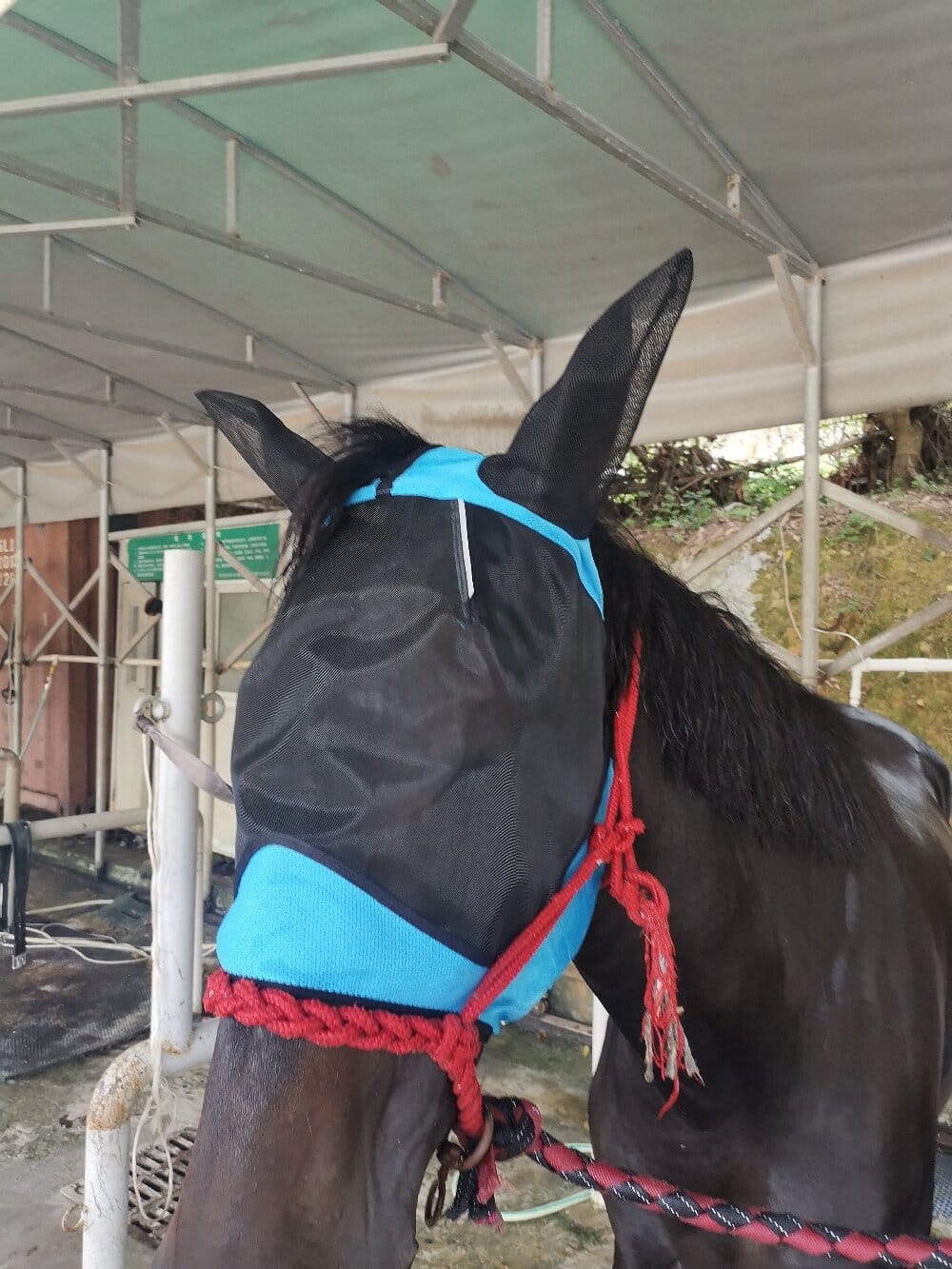
As a consulting equine veterinarian who has spent over two decades working with performance barns, I can state without hesitation that a horse fly mask is no longer optional equipment—it is a cornerstone of preventive care. The question is no longer whether your horse needs one, but which design, material, and fit will actually do the job. From the perspective of a farm manager, the calculus is simple: flies cause irritation, infection, and lost training days. From the perspective of an owner, the emotional toll of watching a horse rub its eyes raw is immense. And from the perspective of the horse itself, a well-fitted mask is the difference between constant aggravation and genuine relief.
The Veterinary Case for Horse Fly Masks
Flies do more than buzz. They transmit pathogens that cause conjunctivitis, keratitis, and in severe cases, corneal ulcers. Face flies in particular feed on ocular secretions, creating micro-abrasions that open the door to bacterial infection. Dust, pollen, and debris compound the problem. A horse fly mask acts as a physical shield, blocking insects and airborne irritants before they reach the eye. In my clinical experience, barns that implement consistent mask use see a marked reduction in eye-related veterinary calls during peak fly season.
Choosing the Right Horse Fly Mask: What the Experts Look For
Not all masks are created equal. I have evaluated dozens of models alongside farriers, trainers, and equine ophthalmologists. Here is what separates a functional piece of equipment from a bargain-bin mistake:
- UV protection: Horses with pink skin or chronic uveitis need masks that block at least 70% of UV rays. Some models offer near-total coverage.
- Fit and adjustment: A loose mask invites debris underneath and can shift over the eyes. Look for double Velcro closures and fleece padding at the noseband.
- Mesh density: Fine mesh keeps out gnats and midges, while coarser mesh offers better airflow. The best models strike a balance.
- Durability: Cheap stitching fails within weeks. Reinforced edges and breathable, rip-resistant fabric are worth the extra cost.
- Visibility: Some horses panic when their peripheral vision is reduced. A well-designed mask contours to the face without obstructing the visual field.
Multi-Perspective Realities from the Barn Aisle
Trainers often tell me they prefer masks with ear covers to prevent ticks and midges from settling in the ears—a valid concern in humid climates. Show competitors, meanwhile, prioritize masks that stay put during turnout but come off easily for grooming. Rescues and sanctuaries emphasize affordability and washability, since they manage dozens of horses at once. I have also heard from equine chiropractors who note that horses free from eye irritation hold their heads more naturally, which can improve balance and movement. Each perspective converges on one truth: the right mask is the one your horse tolerates and wears consistently.
Practical Application and Maintenance
Introduce the mask gradually during grooming, offering treats and praise. Check for rub marks daily, especially behind the ears and over the cheekbones. Rinse the mask by hand in lukewarm water with mild soap every several days, and inspect the Velcro for wear. During extreme heat, remove the mask for a few hours daily to prevent overheating. Rotate between two masks so one is always clean and dry.
Final Thoughts
A horse fly mask is a simple tool with outsized impact. It protects vision, reduces stress, and lowers veterinary costs. Whether you are a veterinarian, a barn owner, or a weekend rider, the evidence supports making this piece of gear a staple of your fly-season routine. Choose thoughtfully, fit carefully, and maintain diligently—your horse will thank you with calmer, healthier eyes.