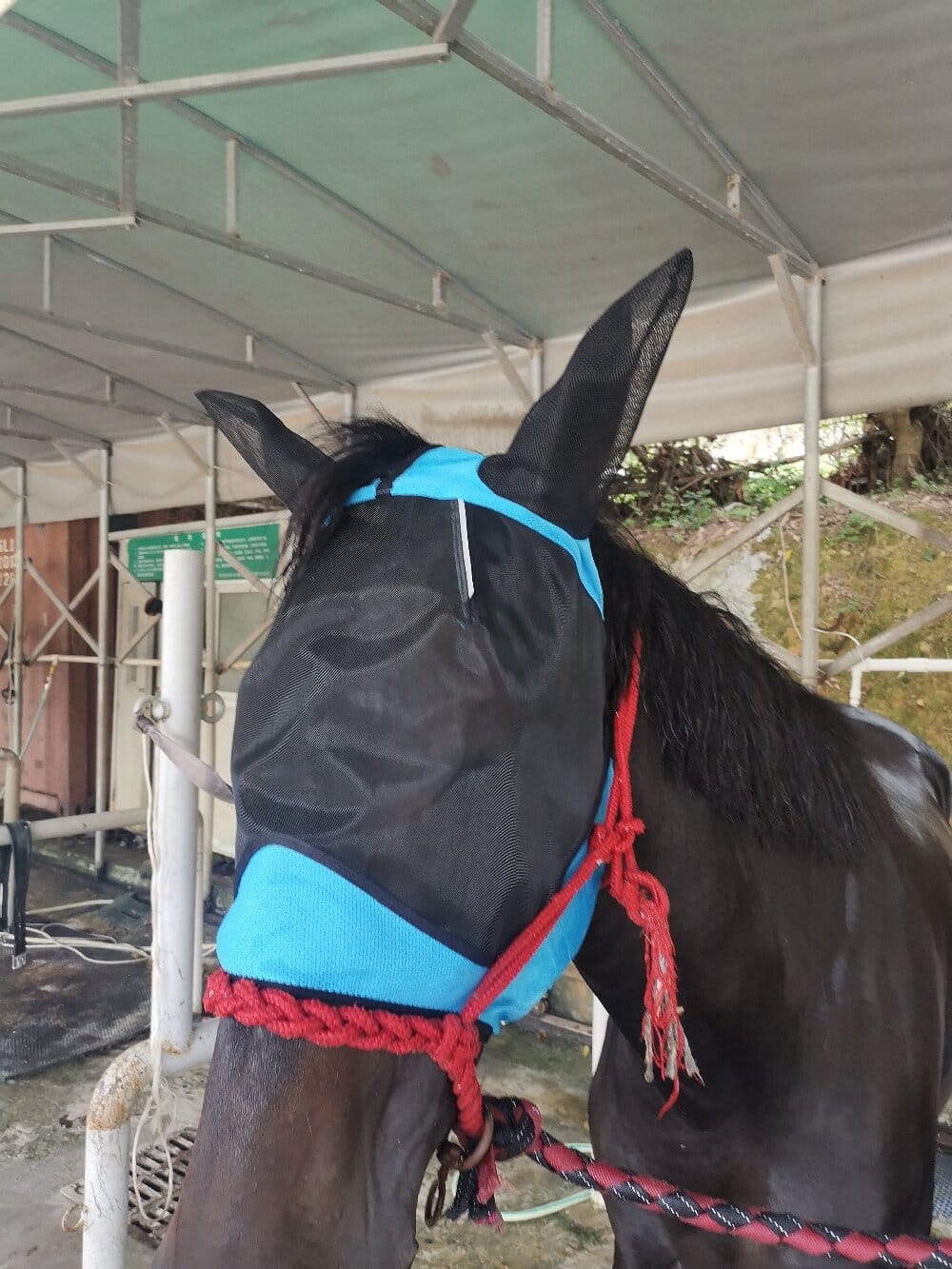
For centuries, equestrians have recognized that a horse fly mask serves a purpose far beyond simple comfort. Historical records from ancient Egypt, Rome, and China describe crude face coverings made from leather, woven reeds, or linen strips. These early devices were not designed specifically for flies; instead, they protected horses’ eyes from sand, branches, and the harsh sun during long marches or agricultural work. The concept of a dedicated fly mask emerged much later, as horse husbandry became more refined and owners began to understand the direct link between insect irritation and equine stress, infection, and reduced performance.
From Folk Remedies to Functional Design in the 19th Century
The nineteenth century marked a turning point. With the rise of organized veterinary medicine and the expansion of horse-drawn transport, fly-borne diseases such as conjunctivitis and summer sores became better documented. Stable managers in Europe and North America started sewing mesh face nets from cotton gauze or wire screen. These prototypes were heavy, prone to rubbing, and offered limited visibility, but they demonstrated a key principle: blocking insects from the eyes reduced head shaking, rubbing, and fatigue. By the late 1800s, catalogs from saddlery companies in London and New York listed “fly nets for the face” alongside traditional blinkers and nosebags.
The Evolution of Materials and the Modern Horse Fly Mask
The twentieth century brought synthetic textiles, and with them, a revolution in equine fly protection. Nylon, polyester, and later breathable mesh allowed manufacturers to create lightweight, durable masks that stayed in place without irritating the horse’s skin. The 1970s and 1980s saw the introduction of the first mass-produced horse fly masks with ear covers, nose extensions, and adjustable velcro straps. Veterinary research during this period confirmed that ultraviolet rays could damage equine corneas, leading to the addition of UV-blocking fabrics. Today’s designs often include:
- Fine mesh that excludes even tiny gnats and midges
- Fleece-lined edges to prevent rub sores
- Forelock openings for comfort and airflow
- Optional nose and ear coverage for full-face defense
These features reflect decades of trial and error, moving from stiff, homemade nets to ergonomic, horse-friendly gear.
Historical Debates and Regional Variations
Not all horse cultures embraced face masks immediately. In some working-horse communities, traditional fly fringes and tassels remained preferred because they allowed full peripheral vision. In others, harsh sun and biting black flies made full masks essential. Historical trade journals from the early 1900s reveal debates over whether mesh obstructed a horse’s vision enough to cause spooking. Modern studies have largely resolved this concern: well-fitted masks with dark or transparent mesh do not significantly impair equine sight. That research helped standardize the fly mask as a staple of summer turnout and competition.
Why the Horse Fly Mask Endures
The endurance of this simple piece of equipment lies in its direct benefits. By blocking flies, the mask reduces the spread of contagious eye infections, lowers cortisol levels, and prevents self-injury from constant rubbing. It also protects against dust and debris, making it useful year-round in dry climates. For horses with pink skin or chronic uveitis, a fly mask is not a luxury but a medical necessity. Historical review shows that what began as a crude sun shield has become a precision tool for equine welfare.
Summary
From ancient leather strips to today’s UV-blocking mesh, the horse fly mask has evolved through centuries of observation and innovation. Its history reflects broader changes in veterinary knowledge, textile technology, and animal husbandry. While designs continue to improve, the core purpose remains unchanged: shielding equine eyes from insects, sunlight, and irritants. For modern owners, understanding this historical arc reinforces why a well-chosen fly mask is one of the most practical investments in a horse’s daily care.