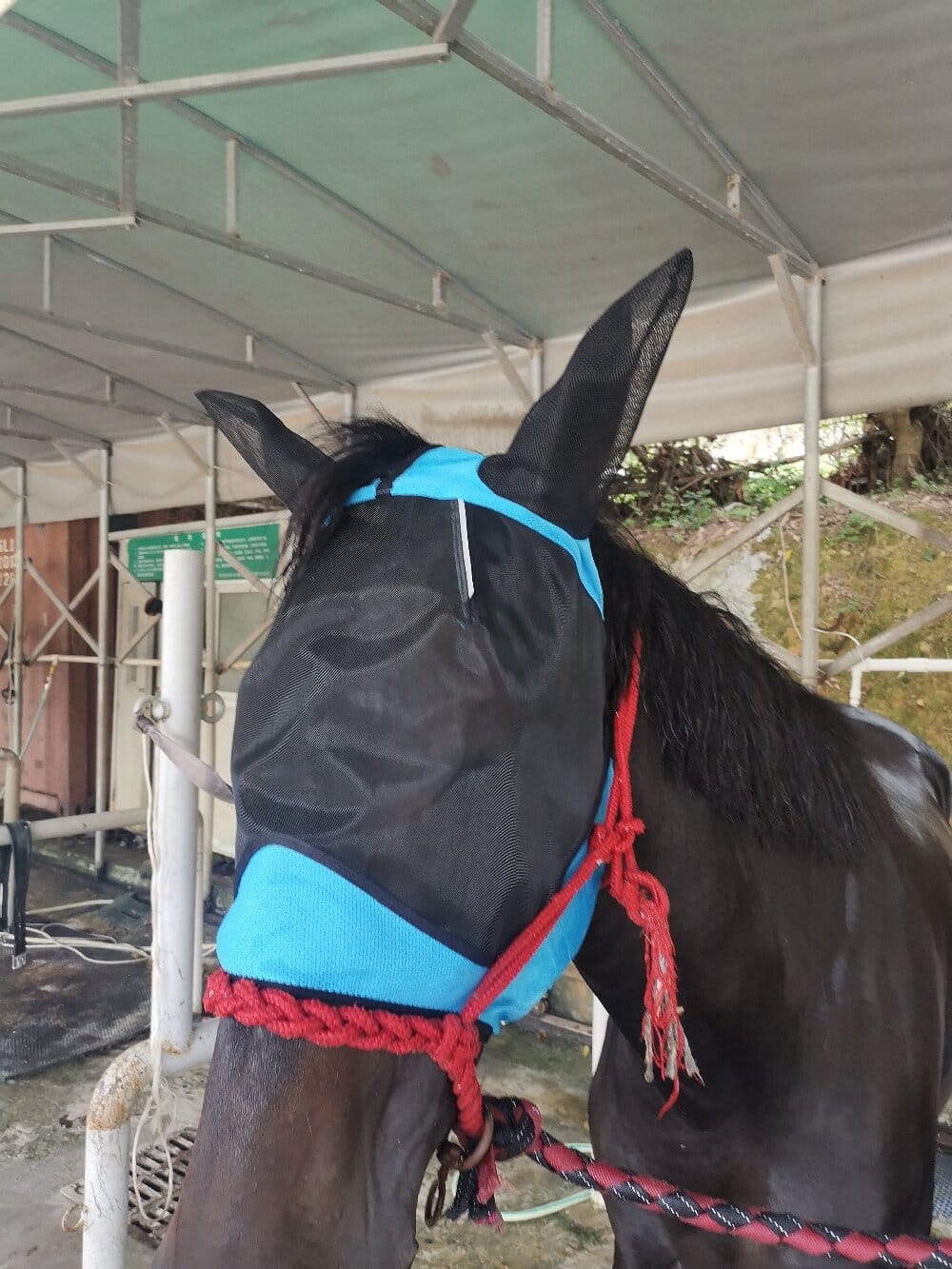
If you manage horses, you already know that fly season is not just a nuisance—it is a genuine welfare and performance issue. A quality horse fly mask has become one of the most reliable tools in your daily turnout routine, protecting eyes and faces from biting insects, dust, and UV exposure. In this industry insight, you will learn what separates a functional fly mask from a frustrating one, how materials and fit influence effectiveness, and what to prioritize when equipping your herd for the warmer months.
What a Horse Fly Mask Actually Does
Beyond blocking flies, a well-designed mask serves several purposes. It reduces irritation that leads to head shaking, rubbing, and secondary skin damage. It shields the sensitive skin around the eyes from sunburn and summer sores. And for horses with uveitis or photosensitivity, it can be a meaningful part of a veterinary management plan. From a barn-management perspective, fewer flies around the face means less stress, better grazing time, and fewer vet visits for corneal ulcers caused by foreign bodies.
Key Features to Evaluate in a Horse Fly Mask
Not all masks are created equal. When you are comparing options for your horses, focus on these criteria:
- Fit and sizing: A mask should sit clear of the eyelashes and not press on the eyes. Adjustable straps and cob, horse, and draft sizing make a real difference.
- Mesh density and airflow: Fine mesh blocks tiny midges and gnats but must still allow ventilation to prevent sweating and rubbing.
- UV protection: Look for fabrics rated for sun blocking, especially for light-skinned horses and those with pink muzzles.
- Durability and hardware: Reinforced binding, double-stitched seams, and soft fleece edging reduce wear and chafing.
- Ear and muzzle coverage: Removable ear covers and nose extensions offer flexibility for different fly pressures and horse preferences.
Industry Insights: What Buyers Are Getting Wrong
One of the most common mistakes is buying a mask that is too large and relying on tight straps to hold it in place. This creates pressure points and rubs, and it defeats the purpose of a protective fly veil. Another frequent error is leaving a mask on 24/7 without checking underneath it daily. Even the best fly mask can trap debris or cause friction if it is not inspected and cleaned regularly. You should also rotate at least two masks per horse so one can be washed and dried while the other is in use.
Matching the Mask to Your Horse’s Lifestyle
Your choice should reflect how your horse lives. Turnout horses in high-insect areas benefit from full-face coverage with ear protection. Performance horses may need a lighter, breathable design that fits under a bridle or is easy to remove before work. Senior horses and those with sensitive skin do better with fleece-lined edges and softer mesh. If your horse wears a fly sheet, coordinate the mask fit so straps do not interfere with the blanket’s neck coverage.
Practical Care and Maintenance Tips
Extend the life of your investment with a simple routine:
- Rinse or hand-wash masks weekly during peak fly season using mild soap.
- Air-dry completely before reapplying to prevent mildew and skin irritation.
- Check straps, seams, and mesh for tears every time you remove the mask.
- Inspect the face for rub marks, hair loss, or swelling, and adjust the fit as needed.
Final Thoughts on Choosing Protection
A horse fly mask is a small piece of equipment with an outsized impact on comfort, health, and daily management efficiency. Prioritize proper fit, breathable mesh, UV protection, and durable construction, and commit to regular inspection and cleaning. When you match the mask to your horse’s environment and workload, you get better protection, fewer rubs, and calmer, healthier horses through the entire fly season.