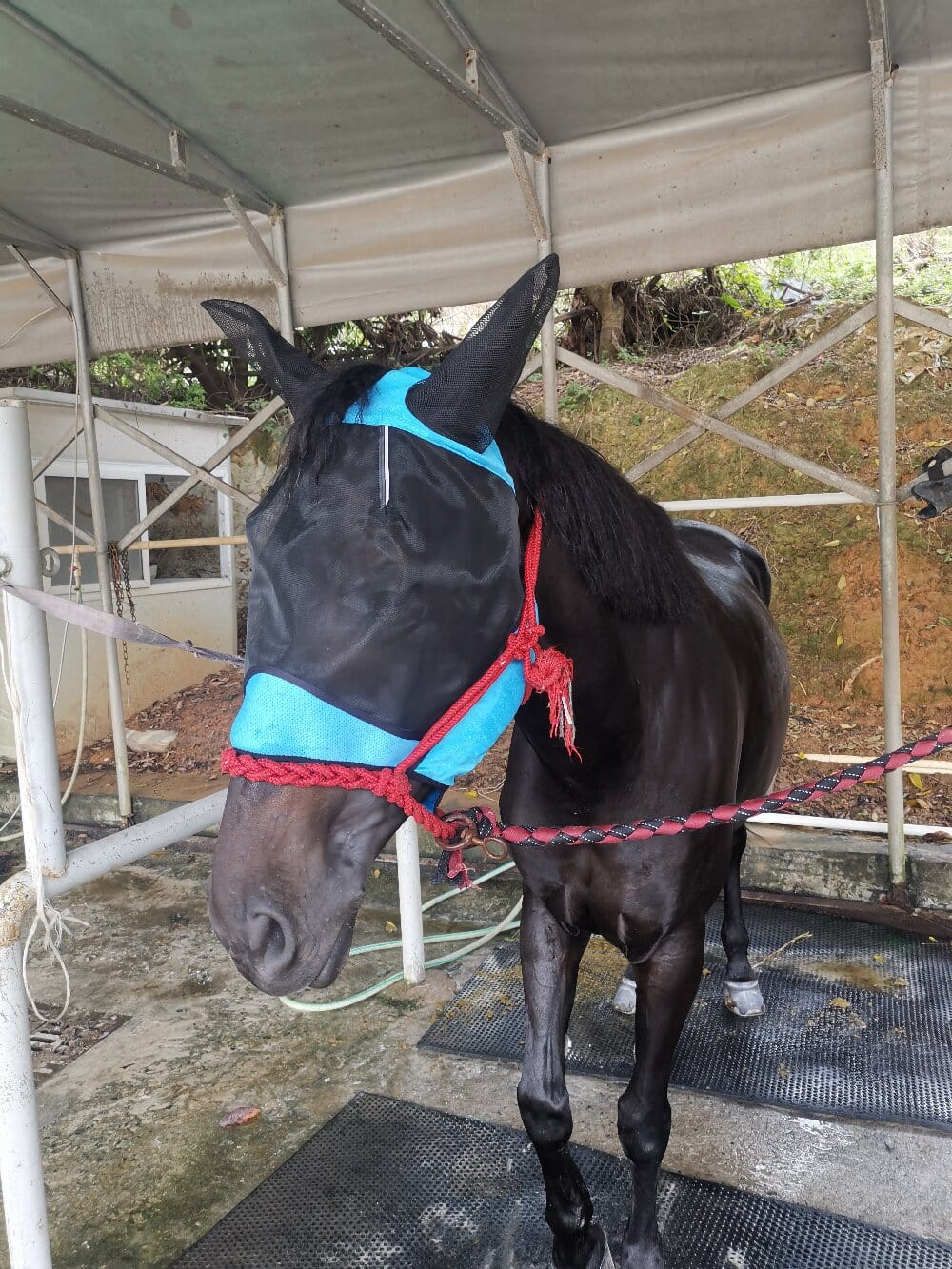
As we look ahead to the next decade of equestrian care, the horse fly mask is poised to evolve from a simple mesh shield into a sophisticated piece of wearable technology. Owners, veterinarians, and manufacturers are all watching the same horizon, though each group sees a different future. For the horse owner, tomorrow’s fly mask promises greater comfort and durability. For the vet, it represents a breakthrough in preventing eye disease. For the manufacturer, it is a canvas for smart textiles and sustainable materials. This multi-perspective forecast explores how the humble fly mask will transform, and why it will remain an essential item in every tack room.
Smart Fabrics and the Connected Horse Fly Mask
In ten years, experts predict that the horse fly mask will no longer be passive. Embedded micro-sensors will monitor tear production, eyelid movement, and UV exposure, sending alerts to a smartphone app when a horse shows signs of irritation or infection. Engineers envision lightweight solar threads woven into the mesh, powering tiny fans that create a gentle airflow to deter insects. From a welfare standpoint, animal behaviorists welcome these innovations but caution that any electronic component must be sealed and comfortable. Meanwhile, budget-conscious riders hope the technology trickles down affordably. The consensus is clear: the connected fly mask will arrive first in high-performance stables, then spread to everyday barns.
Design Innovations Shaping the Next Generation
Looking forward, designers see several practical shifts on the horizon:
- Self-cleaning mesh: Nano-coating will repel dust and manure, reducing laundry frequency.
- Modular components: Replaceable ear covers and nose fringes will extend product life and cut waste.
- Adaptive fit: Memory-foam edges and adjustable straps will accommodate diverse head shapes, improving comfort during long turnout hours.
- Cooling layers: Phase-change materials will regulate temperature in hot climates, addressing a common complaint about traditional masks.
Veterinarians emphasize that these features must never compromise visibility or ventilation. Manufacturers, in turn, see modularity as a business opportunity, while environmental advocates applaud the reduction in discarded gear. Each perspective shapes the same conclusion: smarter design benefits the horse first.
A Health Perspective: Preventing Disease Before It Starts
From a clinical standpoint, the future fly mask will be judged by outcomes. Equine ophthalmologists predict that widespread use of improved masks will lower cases of conjunctivitis, corneal ulcers, and summer sores. Research will likely quantify how UV-blocking mesh reduces the risk of squamous cell carcinoma on unpigmented eyelids. Owners will increasingly view the mask as preventive medicine rather than a seasonal accessory. Insurance providers may even offer discounts for horses fitted with monitored masks, creating an incentive loop that benefits everyone. The veterinary community’s message is simple: protection now prevents costly treatment later.
Sustainability and the Circular Economy
Environmental analysts foresee a circular future for fly masks. Recycled ocean plastics will become standard mesh material, and take-back programs will turn worn masks into new fibers. Brands will publish lifecycle assessments, and riders will compare durability scores before buying. This shift reflects a broader cultural expectation: equestrian gear should tread lightly on the planet. The horse fly mask, once disposable and forgotten, will become a symbol of responsible craftsmanship.
Conclusion
The future of equine eye protection looks bright, connected, and sustainable. Owners can expect greater comfort and convenience, veterinarians anticipate healthier eyes, and manufacturers see opportunities for innovation and responsibility. While specific features will vary, the core promise remains unchanged: a well-fitted fly mask will continue to shield horses from flies, UV rays, and irritation. By preparing for these advances today, the equestrian community can ensure every horse benefits from the next generation of protective gear.