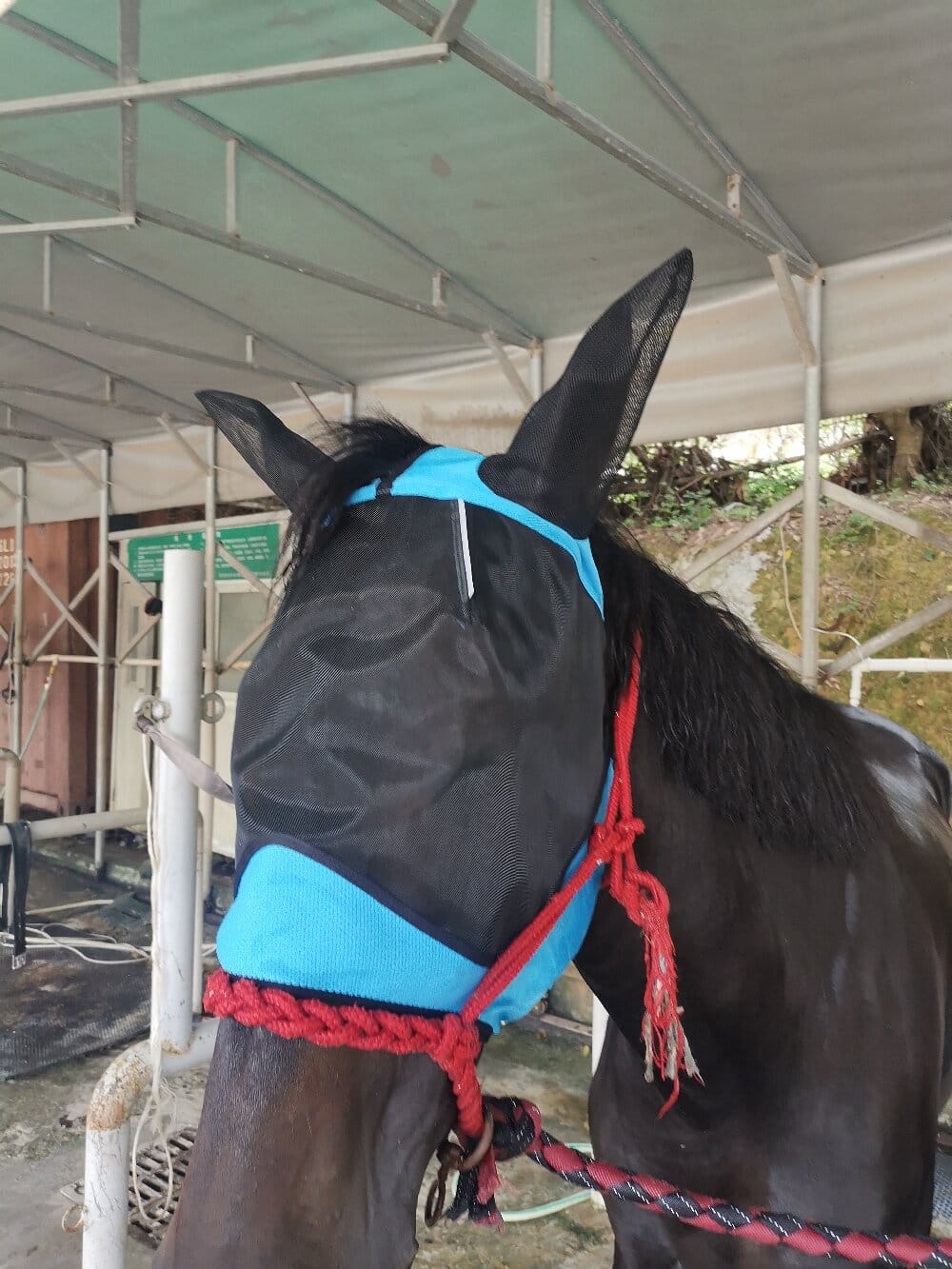
As warmer months arrive, equestrians are paying closer attention to fly protection than ever before, and the horse fly mask has evolved from a simple seasonal accessory into a core piece of everyday turnout equipment. Recent trends show manufacturers focusing on ergonomic fits, breathability, and long-term durability, while riders increasingly prioritize masks that combine insect defense with comfort and UV coverage. This shift reflects a broader movement toward preventive care in equine management, where reducing stress and shielding sensitive areas around the eyes has become a standard part of herd health routines.
Key Trends Shaping Horse Fly Mask Design
Product development in this category has accelerated noticeably, driven by feedback from barns, veterinarians, and sport horse operations. Several themes stand out in the current market:
- Breathable mesh engineering: Newer fabrics balance fine insect-blocking weaves with airflow, reducing heat buildup during long turnout sessions.
- Ergonomic and adjustable fits: Fleece-lined brow bands, elasticized throat straps, and multiple sizing options help prevent rubbing and slipping.
- UV protection integration: Many masks now advertise UPF ratings, positioning them as dual-purpose tools against sun exposure and flying insects.
- Extended coverage styles: Models with ear covers and nose extensions appeal to owners managing sensitive-skinned horses in high-pressure pest areas.
- Durability and washability: Reinforced stitching and machine-washable materials address the wear and tear of daily pasture use.
What Riders Should Evaluate Before Buying
With more options available, selection requires careful comparison. Fit remains the most important factor, since an ill-fitting mask can shift over the eyes or create pressure points along the face. Measuring the horse’s head and checking manufacturer sizing charts is a practical first step. Material quality matters as well; fine mesh that blocks tiny pests without restricting vision is preferable, and soft binding around the edges reduces the risk of abrasion.
Owners should also consider the horse’s living situation. Horses turned out in large groups may benefit from breakaway or stretchy closures that release under tension, improving safety. Those in intense sun exposure might prioritize UV-blocking fabrics, while horses prone to eye irritation may need masks with deeper eye darts that keep mesh away from the lashes. Finally, reviewing care instructions helps ensure the product holds up through repeated washing, which is essential for hygiene and longevity.
Practical Care and Rotation Tips
Even the best-designed fly mask performs poorly if neglected. Rotating between two masks extends product life and allows proper cleaning between uses. Mild soap and water, followed by air drying, typically preserve mesh integrity better than harsh detergents or machine drying. Daily visual checks for tears, stretched straps, or frayed edging catch small issues before they become safety concerns. Storing masks clean and dry during the off-season also prevents mildew and fabric degradation.
Conclusion
The horse fly mask continues to gain ground as a practical, welfare-focused investment rather than an optional extra. Current trends emphasize thoughtful design, breathable materials, and secure fits that support comfort during turnout. By prioritizing proper sizing, durable construction, and consistent care, owners can get reliable seasonal protection while keeping their horses comfortable and calm. As equine care practices keep advancing, expect further refinements in fit and fabric technology to make these masks even more effective in the years ahead.