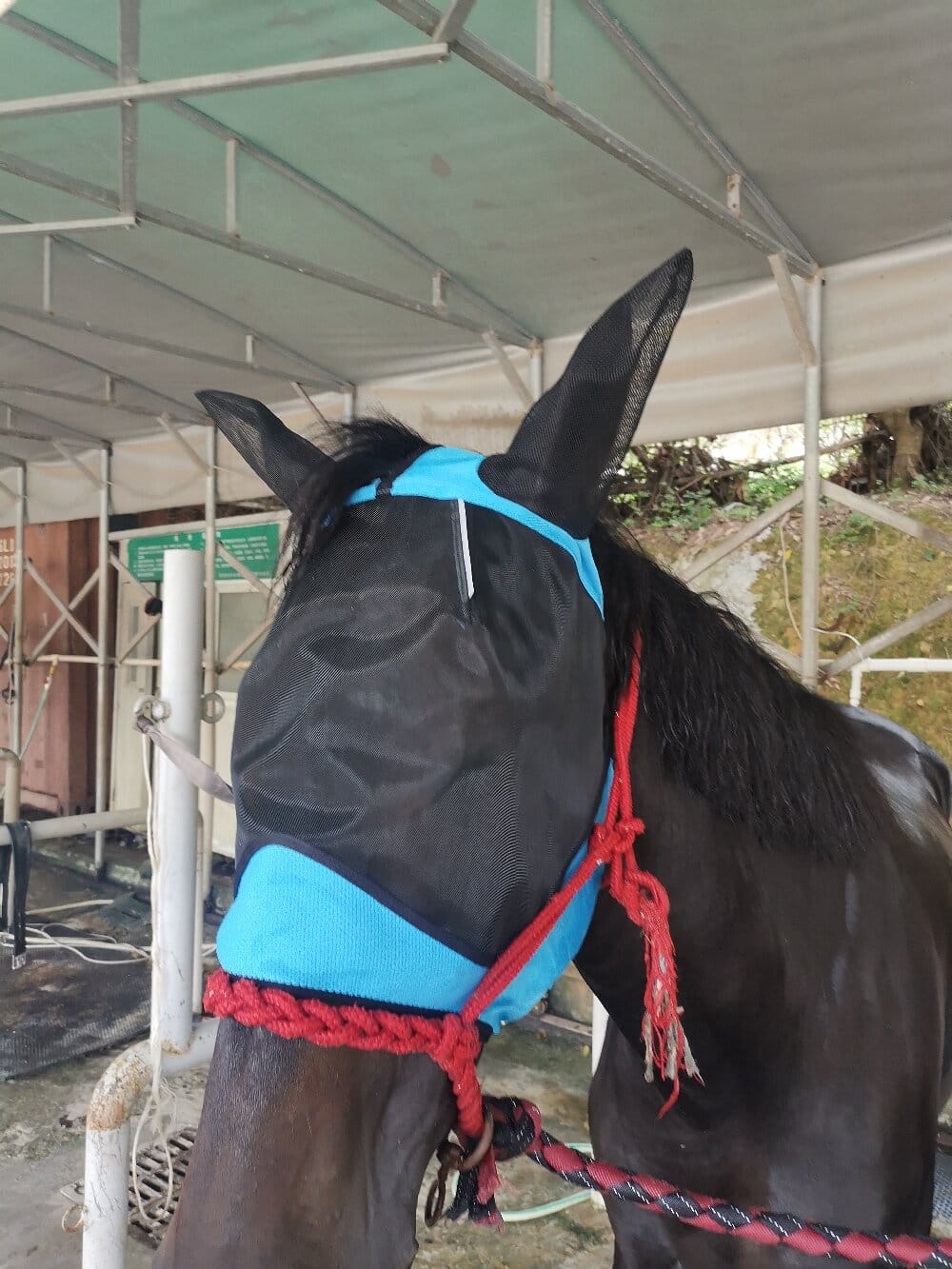
After more than a decade of sourcing and testing equine gear, I can say with confidence that the horse fly mask has quietly evolved from a seasonal accessory into one of the most important pieces of protective tack in the barn. I remember when masks were little more than stiff mesh cones that horses rubbed off within an hour. Today, the category is a sophisticated segment of the equine equipment market, driven by material science, equine ophthalmology research, and a consumer base that expects real performance. Let me walk you through what I am seeing from the inside of this industry, because the changes are more significant than most riders realize.
What the Horse Fly Mask Market Is Telling Us
From a product development standpoint, the fly mask category has followed the same trajectory as human outdoor apparel: from basic coverage to engineered performance. Manufacturers I speak with are investing heavily in three areas — fabric technology, fit systems, and UV protection. Solar-blocking mesh that blocks up to 98 percent of UV rays is now a standard claim, not a premium feature, and that shift has compressed the market into a middle tier where value and quality overlap far more than they used to.
Another insight: veterinary guidance is shaping demand. Studies on equine recurrent uveitis and photosensitivity have made owners far more conscious of eye protection, and that awareness flows directly into mask purchases. When a vet recommends shielding the eyes from UV and debris, the fly mask becomes a health product rather than a convenience item — and that changes how people buy.
Fit and Fabric: Where the Real Innovation Lives
The single biggest differentiator I track is fit. A mask that gaps at the jaw lets insects straight in; a mask that pinches rubs the face raw. Leading brands are now using articulated ear covers, fleece edging, and stretch panels calibrated to specific head shapes. From my experience reviewing returns data, fit-related complaints dwarf all other issues combined, so buyers should treat sizing charts as a starting point, not gospel.
Fabric matters just as much. Here is what I look for in a quality equine fly mask:
- Fine-gauge mesh that excludes midges while preserving airflow
- UV-blocking weave rated at 90 percent or higher
- Heavy-duty binding around the edges to resist abrasion
- Reinforced throat-latch points that survive daily wear
- Breathable ear and forelock coverage that will not trap heat
I also advise buyers to inspect stitching density and hook-and-loop quality, because those small details decide whether a mask lasts one season or three.
Sourcing Decisions That Separate Good Masks From Great Ones
When I evaluate suppliers for the insect protection category, I weigh material certification, wash-durability testing, and consistency across production runs. A mask that fits perfectly from one batch and poorly from the next is a supply chain failure, not a design one. I have seen retailers lose trust quickly over exactly this issue, which is why I now insist on pre-shipment fit samples before committing to volume.
I also watch the seasonal calendar closely. Demand spikes ahead of fly season, but savvy buyers order earlier to avoid the inventory crunch that hits mass-market channels every spring. From a margin perspective, the sweet spot sits in the mid-price range, where UV protection, durability, and fit all converge without pushing into luxury pricing.
My Practical Guidance for Riders and Retailers
For owners, I recommend rotating at least two masks so one can be washed while the other is in use, and checking daily for rubs behind the ears and under the jaw. For retailers, I suggest stocking a range of sizes across a narrow set of trusted brands rather than a wide spread of unproven options. Specialty tack shops that educate customers on fit consistently outperform those that simply hang masks on a wall.
Final Thoughts
The modern equine fly mask is a small product with a big job: shielding eyes, ears, and skin from insects and ultraviolet damage while staying comfortable enough to keep on. From an industry perspective, the winners in this category will be the brands that invest in precision fit and verified materials, and the buyers who understand that a well-made mask is preventive healthcare, not just summer gear. Choose carefully, inspect the details, and the payoff shows up in healthier, calmer horses all season long.