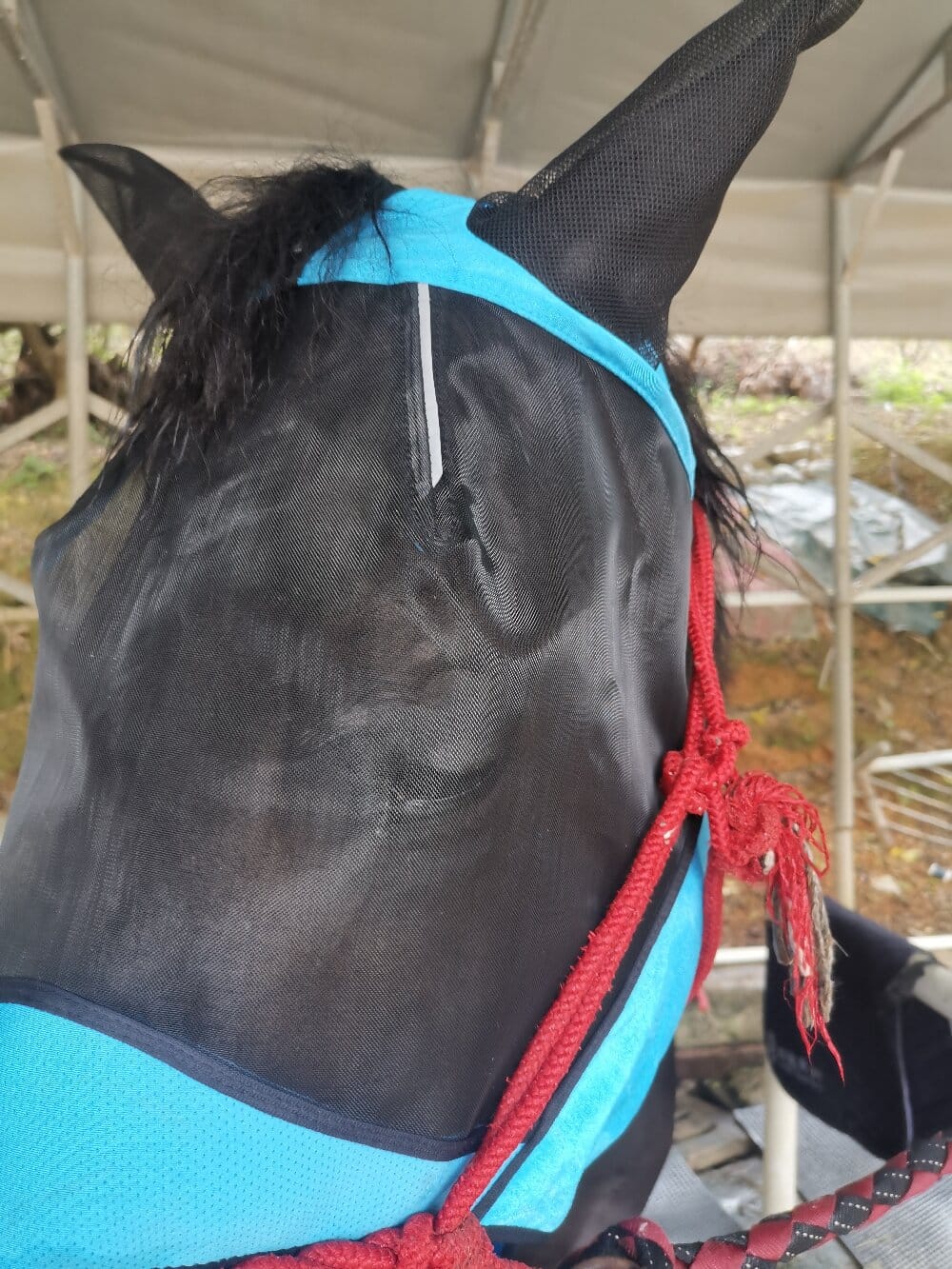
A horse fly mask is a specialized piece of equine equipment designed to shield the sensitive areas of a horse’s head—particularly the eyes, ears, and muzzle—from flying insects, debris, and ultraviolet light. From a methodology perspective, the use of this protective gear is not merely a reactive measure against seasonal nuisances but a structured component of an integrated pest management and welfare strategy. Objective evaluation of its design, application, and limitations allows horse owners and caretakers to deploy it effectively within a broader program of equine care.
Methodology for Selecting and Fitting a Horse Fly Mask
The selection process should begin with an assessment of the horse’s environment and individual sensitivity. Factors such as pasture location, insect density, and the animal’s coat color and eye pigmentation influence requirements. A systematic approach includes:
- Material evaluation: Prioritize breathable, durable mesh that blocks fine insects while permitting airflow and visibility. UV-blocking fabrics are advantageous for horses with light-colored coats or recurrent eye irritation.
- Fit verification: The mask should sit securely without compressing the brow or interfering with eyelid movement. Measurements of head length and width, taken according to manufacturer guidelines, reduce the risk of rubbing or slippage.
- Feature matching: Optional ear covers, nose extensions, and forelock openings should be chosen based on the specific insect pressures and the horse’s tolerance.
Proper fitting is a recurring task; daily inspection for wear, soiling, and displacement is recommended to maintain protective efficacy and prevent dermatological issues.
Operational Protocol: Integrating the Fly Mask into Daily Care
Implementation follows a cyclical routine. Masks should be applied before turnout during peak insect activity, typically dawn and dusk, and removed during stall rest or grooming to allow skin inspection. A cleaning schedule—using mild soap and thorough rinsing—prevents buildup of sweat, dust, and organic matter that can abrade the face. Rotation between two masks extends service life and ensures a dry, hygienic item is always available. Objective monitoring involves checking for signs of chafing, ocular discharge, or behavioral resistance, which may indicate poor fit or a need for a different design.
Evaluating Effectiveness and Limitations of the Horse Fly Mask
Effectiveness can be assessed through structured observation: recording insect landing rates on the face versus unprotected areas, noting reductions in head-shaking or stamping, and monitoring the incidence of insect-borne eye conditions. However, the methodology must acknowledge limitations. A mask does not repel insects from the body, nor does it replace fly sprays, traps, or environmental management such as manure removal. In high-pressure scenarios, combining a horse fly mask with topical repellents and physical barriers yields superior outcomes. Additionally, masks require gradual acclimation for some horses; a stepwise introduction—short supervised periods followed by extended wear—minimizes stress and improves compliance.
Conclusion
Incorporating a horse fly mask into equine care is most effective when approached methodically: selecting based on material and fit, integrating application into a consistent daily routine, and evaluating performance against clear observational criteria. This objective, process-driven approach ensures the mask serves its intended protective function while supporting the horse’s comfort and long-term ocular health.