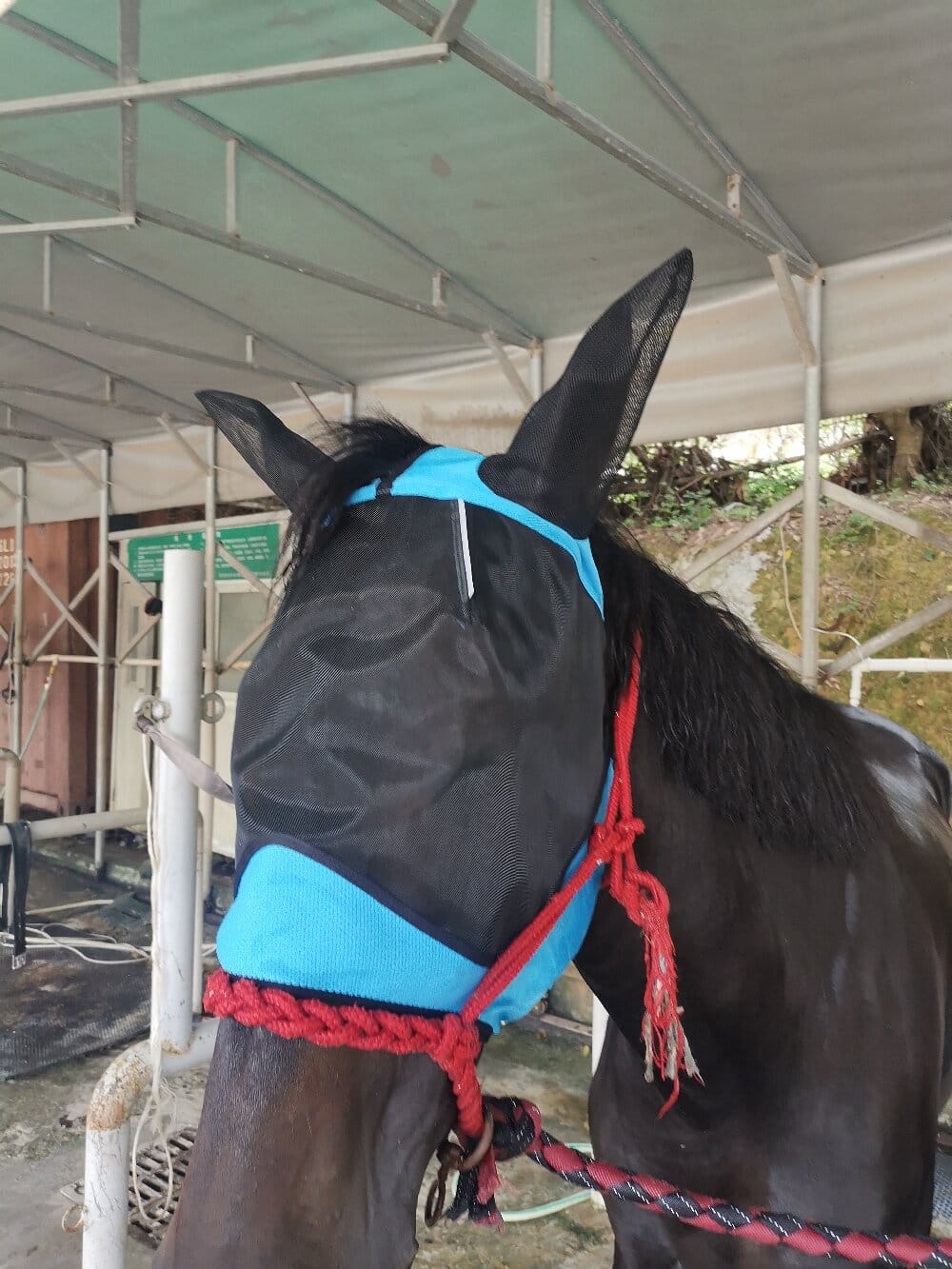
A horse fly mask is a specialized piece of equine protective equipment designed to shield the sensitive areas of a horse’s face from flying insects, ultraviolet radiation, and environmental debris. Veterinary ophthalmologists and equine care specialists consistently emphasize that fly masks serve a dual purpose: they reduce the physical irritation caused by biting insects and help prevent the secondary conditions that often develop when horses rub or scratch irritated eyes. As an expert-reviewed consideration, selecting an appropriate mask requires attention to fit, material breathability, and the specific environmental pressures the animal faces.
Key Features Experts Recommend in a Horse Fly Mask
From a clinical and practical standpoint, the effectiveness of a fly mask depends on several design characteristics. Professionals who work with horses daily note that improper fit is the most common reason a mask fails to provide protection or causes discomfort.
- Mesh density: A fine mesh blocks tiny insects such as midges and gnats while maintaining airflow. Experts generally advise against mesh so dense that it traps heat in summer conditions.
- Eye clearance: The mesh over the eyes should sit away from the cornea and eyelashes to prevent abrasion. A well-structured brow and darted seams help maintain this distance.
- Fleece edging: Soft binding along the edges reduces rubbing behind the ears and across the nose, which is a frequent source of hair loss and skin irritation.
- Secure fastening: Adjustable straps, often with hook-and-loop closures, should allow a snug but not restrictive fit. Experts caution that overly tight straps can interfere with jaw movement and circulation.
- UV protection: Masks with documented ultraviolet-blocking fabric are particularly valuable for horses with pink skin around the muzzle and eyes, as these animals are at higher risk of sunburn and related skin conditions.
When a Fly Mask Is Clinically Indicated
Equine practitioners frequently recommend fly masks for horses with specific vulnerabilities. Animals recovering from eye injuries or those diagnosed with recurrent uveitis may benefit from the barrier a mask provides against windborne debris and insects. Older horses and those with compromised immune responses often require more consistent protection during peak fly season. Additionally, horses with light-colored coats or thin facial hair are more susceptible to both insect bites and solar damage, making a mask a reasonable preventive measure.
However, experts also note limitations. A fly mask is not a substitute for proper stable management, including manure removal, water maintenance, and fly control programs. Masks should be inspected daily for damage, cleaned regularly to prevent bacterial buildup, and removed if they become wet or soiled in ways that could promote skin infection.
Practical Selection and Maintenance Guidance
When choosing among available models, experts suggest measuring the horse’s head according to the manufacturer’s guidelines rather than relying on breed or size labels alone. Introducing the mask gradually, especially for horses unfamiliar with facial equipment, reduces resistance and improves compliance. During turnout, owners should check that the mask does not shift excessively or allow insects to enter beneath the edges.
Routine care extends the life of the product and protects the animal. Washing with mild soap, rinsing thoroughly, and air-drying preserves the integrity of the mesh and fleece. Inspecting straps and seams for wear prevents abrupt failures that could leave a horse unprotected during peak insect activity. Keeping a spare mask on hand is a practical recommendation many equine professionals offer, particularly during the warmer months when fly pressure is highest.
Summary
In expert opinion, the horse fly mask remains a valuable, low-risk tool for protecting equine eyes and facial skin from insects and ultraviolet exposure. The key to effectiveness lies in correct fit, breathable materials, secure but comfortable fastening, and consistent inspection and cleaning. When integrated with broader fly management practices, a well-chosen mask supports comfort and reduces the risk of irritation-related eye and skin issues.