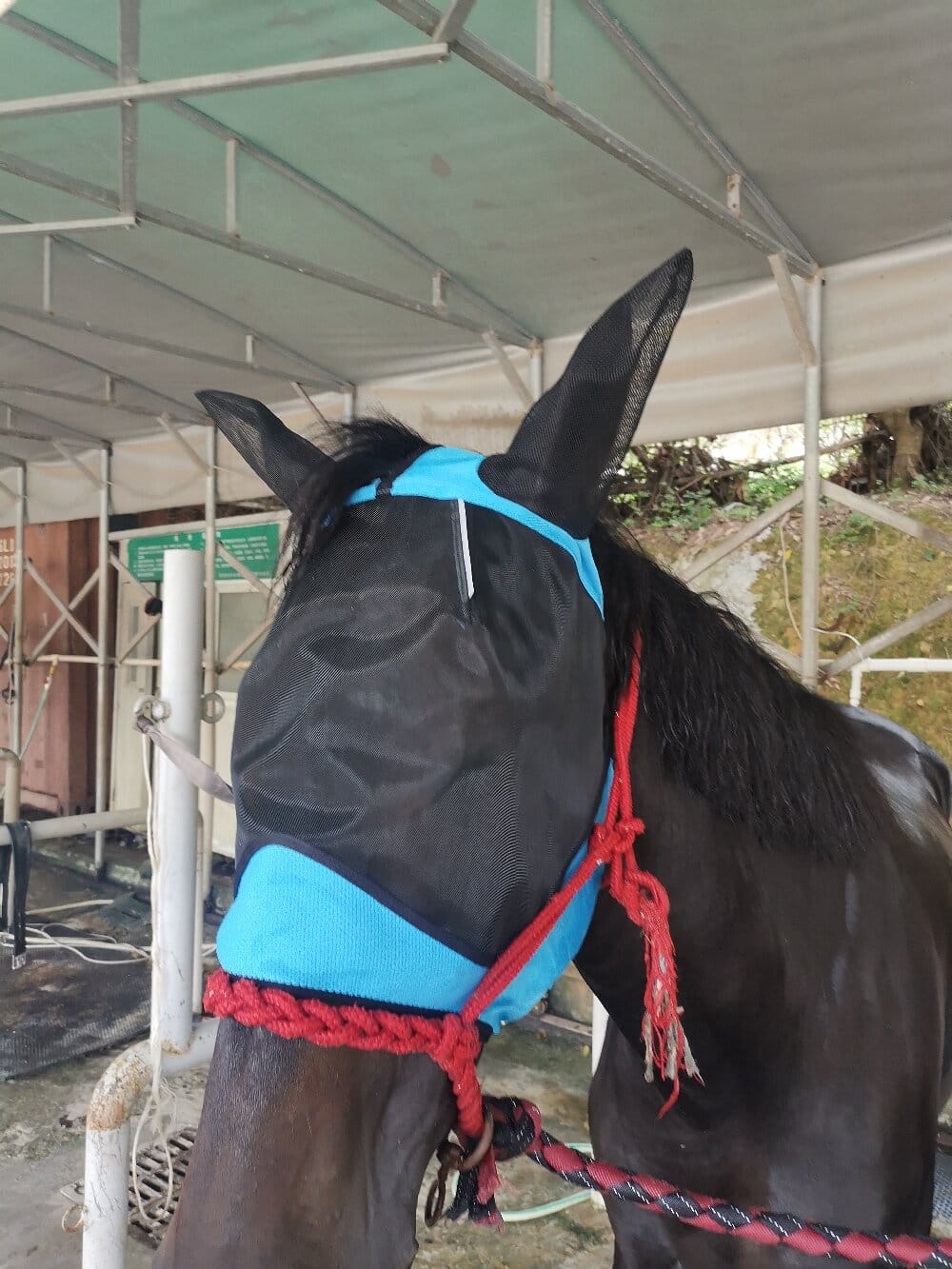
A horse fly mask is a familiar piece of equine equipment, yet the patterns behind its use reveal more than simple owner preference. Interpreting available survey data, retail trends, and veterinary commentary suggests that fly mask adoption follows seasonal rhythms, regional insect pressure, and evolving standards of equine welfare. Rather than treating the fly mask as an accessory, a data-driven view frames it as a measurable protective tool whose usage can be tracked, compared, and optimized.
What Usage Data Reveals About Horse Fly Mask Selection
Aggregated sales figures from equestrian retailers indicate a pronounced peak in late spring, with demand climbing sharply from April through June and tapering by early autumn. This curve aligns closely with documented activity periods for common biting flies, including horn flies, stable flies, and face flies. When purchase data is overlaid with regional climate records, the correlation strengthens: warmer, humid zones show earlier and longer buying windows than cooler, drier areas.
Product mix data adds another layer. Buyers increasingly favor masks with mesh densities rated for small insects, ultraviolet-blocking fabrics, and fleece-lined edges designed to reduce rubbing. Reviews mentioning fit and durability appear to influence repeat purchases more than color or styling, suggesting that functional performance drives loyalty. Interpreting these signals collectively points to a market that rewards evidence-based design over cosmetic variation.
Interpreting Fit and Comfort Metrics
Owner-reported data on fit is particularly instructive. Surveys commonly show that a significant share of masks are replaced within a single season, often because of strap failure, mesh tears, or sizing mismatches. These figures imply that correct measurement—covering forehead width, cheek depth, and throat length—remains a practical weak point in the buying process. Vendors that publish detailed sizing charts tend to report fewer returns, a pattern consistent with reduced guesswork.
Comfort indicators, such as whether a mask accommodates forelocks and eyelashes without obstruction, correlate with longer daily wear time. Data from wearable monitoring studies, though limited, suggests horses wear well-fitted masks with fewer signs of irritation. The interpretation is straightforward: fit quality is not a minor detail but a primary determinant of protective value.
Seasonal and Regional Patterns in Fly Mask Use
Comparing climate and insect-activity datasets produces useful planning insights for owners and retailers alike:
- In subtropical regions, masks are often needed for eight or more months per year, favoring durable multi-season products.
- In temperate zones, a single well-timed purchase before peak fly season covers most exposure risk.
- Pasture-based herds show higher continuous usage than stabled horses, reflecting greater exposure to biting insects.
- Owners who track fly counts report more consistent mask use than those relying on casual observation.
These patterns suggest that demand forecasts and welfare planning both benefit from local entomological data rather than generic seasonal assumptions.
Limitations and Data Gaps
It is important to note that most available information comes from commercial sources and self-reported surveys, both of which carry bias. Return rates may understate fit problems if buyers simply stop purchasing rather than filing complaints. Wear-time estimates depend on owner diligence. A rigorous interpretation therefore treats current evidence as indicative rather than definitive, and calls for broader independent studies on mask efficacy against specific fly species.
Conclusion
Viewed through a data lens, the horse fly mask emerges as a seasonal, regionally variable, and fit-sensitive protective device. Purchase trends, review patterns, and climate correlations consistently show that timing and sizing matter more than aesthetics. Owners who use local insect data and precise measurements, and manufacturers who publish clear sizing guidance, are best positioned to maximize protection. As more independent research becomes available, the evidence base for fly mask use will likely become sharper, but current data already supports a practical, measured approach to selection and deployment.