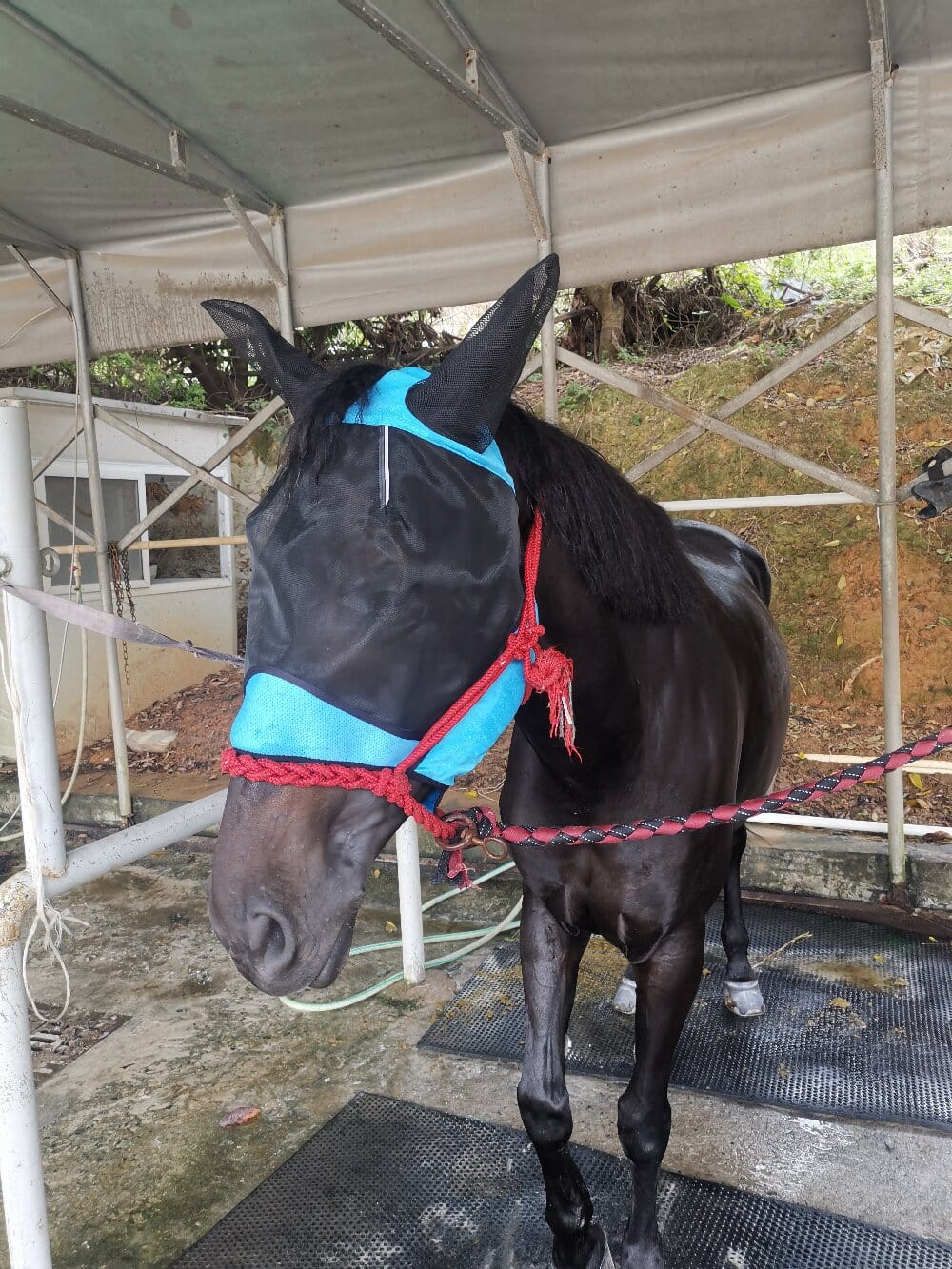
As equestrians look toward the next decade of equine care, the horse fly mask is poised to evolve from a simple mesh barrier into a sophisticated piece of wearable technology. Industry analysts predict that by the late 2020s, these essential accessories will incorporate smart fabrics, integrated sensors, and sustainable materials designed to protect horses from flies, UV rays, and environmental stressors with unprecedented precision. The humble fly mask, once a basic seasonal purchase, will become a cornerstone of preventive equine health management.
Smart Fabrics and the Next-Generation Horse Fly Mask
Future fly masks will likely feature advanced textiles that adapt to changing conditions. Researchers are developing breathable, self-cooling fabrics that regulate temperature during hot summer months while maintaining the fine mesh necessary to block biting insects. These materials may also offer enhanced UV protection, shielding sensitive equine eyes and skin from damaging solar radiation. Manufacturers will increasingly prioritize durability and washability, ensuring that masks withstand daily turnout while remaining gentle on the horse’s face.
Another anticipated breakthrough involves antimicrobial coatings woven directly into the mesh. Such treatments could reduce bacterial buildup around the eyes and ears, lowering the risk of infections and irritation. Combined with ergonomic designs that accommodate different head shapes, these innovations will improve comfort and compliance, encouraging horses to wear their masks without resistance.
Integrated Technology and Data-Driven Equine Care
Perhaps the most transformative prediction concerns embedded sensors. Future fly masks may monitor body temperature, heart rate, and activity levels, transmitting data to smartphone applications that alert owners to early signs of distress or illness. Solar-powered or kinetic energy systems could keep these devices charged without cumbersome batteries. This convergence of pest protection and health monitoring will appeal to performance stables, breeding farms, and recreational owners alike, offering continuous insight into equine well-being.
Experts also foresee masks equipped with repellent delivery systems—micro-capsules that gradually release natural insect deterrents over time. Such features would extend protection beyond the physical barrier, creating a dual-defense approach against flies, mosquitoes, and midges. These developments align with broader trends toward precision livestock management and wearable animal technology.
Sustainability and Ethical Manufacturing
Environmental responsibility will shape the fly mask market considerably. Buyers will demand recycled plastics, biodegradable packaging, and ethical supply chains. Manufacturers are expected to adopt circular economy models, offering repair services and take-back programs for worn masks. Lightweight, recyclable frames and replaceable mesh panels will extend product lifespans, reducing waste while keeping costs manageable for consumers.
Customization will also flourish. Digital sizing tools and 3D-printed components could allow owners to order masks tailored to individual horses, improving fit and reducing slippage. Fashion-forward designs and color options will cater to riders who view equine gear as an expression of personal style, without compromising functionality.
Market Outlook and Practical Considerations
Analysts project steady growth in the equine fly protection sector, driven by rising awareness of insect-borne diseases and expanding horse ownership in emerging markets. However, challenges remain. Manufacturers must balance technological sophistication with affordability, ensuring that advanced masks do not alienate budget-conscious buyers. Regulatory standards for wearable animal devices may also emerge, requiring certification for safety and data privacy.
For horse owners, the advice will remain grounded: prioritize proper fit, inspect masks regularly for wear, and combine them with good barn hygiene and pasture management. Technology should complement, not replace, fundamental care practices.
Conclusion
The future horse fly mask represents far more than a seasonal accessory. It will merge protective function with smart technology, sustainable materials, and personalized design. As innovation accelerates, owners can anticipate masks that not only repel pests but also safeguard equine health through continuous monitoring and thoughtful engineering. Those who embrace these advances will likely enjoy healthier, more comfortable horses—and a clearer view of what modern equine care can achieve.