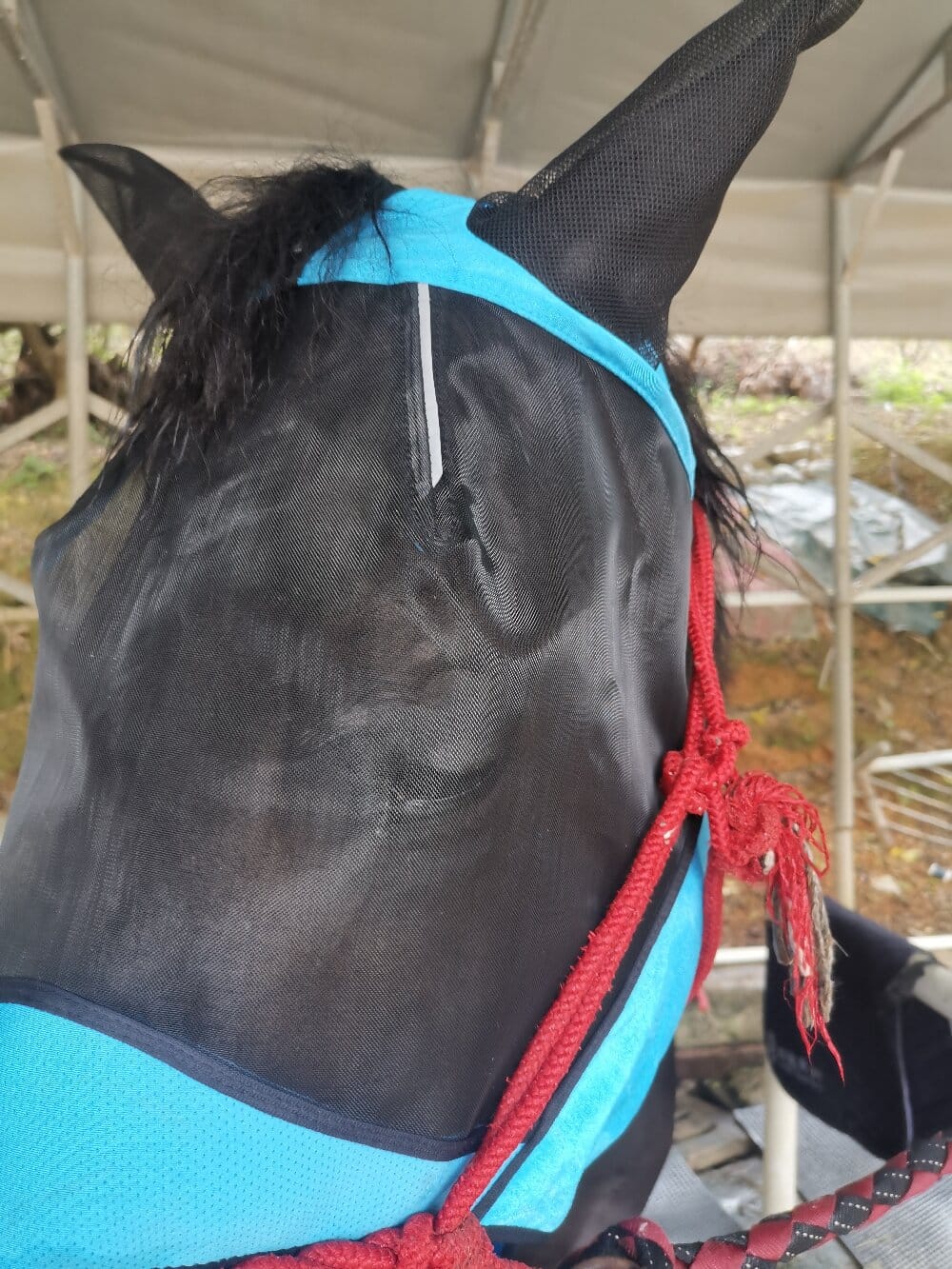
A horse fly mask is a piece of equine equipment designed to cover the animal’s face and eyes, primarily to shield it from flying insects such as house flies, stable flies, and face flies. While the concept appears straightforward, a critical examination reveals that the effectiveness, necessity, and design of these masks warrant closer scrutiny. Owners frequently purchase them with the assumption that they solve insect-related problems, but the evidence supporting their universal benefit is more nuanced than marketing materials often suggest.
What a Horse Fly Mask Actually Does
At its core, the device acts as a physical barrier. Mesh fabric, typically synthetic, prevents insects from landing directly on the eyes, ears, and muzzle. This can reduce irritation, lower the risk of insect-borne eye diseases, and decrease stress behaviors such as head shaking and stomping. However, the barrier is not absolute. Small flies may penetrate finer mesh, and masks that shift during movement can create gaps. Proponents argue that even partial protection is worthwhile during peak fly season, while skeptics point out that a poorly fitted mask may cause rubbing, restricted vision, or overheating — unintended consequences that deserve equal attention.
Evaluating the Horse Fly Mask: Benefits Versus Limitations
Critical thinking requires weighing advertised advantages against realistic drawbacks. Consider the following points:
- Protection: Good-quality mesh with a dark underlayer can reduce UV exposure and fly contact, but no mask eliminates all insect activity.
- Fit: A mask that is too loose invites debris and insects underneath; one that is too tight risks pressure sores. Proper measurement is essential, yet many buyers select sizes by guesswork.
- Durability: Cheaper masks tear easily, especially around ear openings and binding edges, leading to repeated replacement costs.
- Behavioral impact: Some horses tolerate masks well; others rub them off or become anxious. Individual temperament matters more than product claims.
- Environmental context: In pastures with heavy fly populations, a mask may help; in low-insect environments, the benefit may not justify the expense or the risk of skin irritation.
These factors suggest that the decision to use a mask should be based on observation and specific circumstances rather than blanket recommendations.
Common Misconceptions and Evidence Gaps
Several assumptions about fly masks lack rigorous support. For instance, claims that certain masks “prevent all eye infections” overstate the device’s capability; veterinary ophthalmologists note that masks reduce exposure but do not replace hygiene, stabling, or insect control programs. Similarly, the belief that any mesh is adequate ignores differences in weave density and material breathability. A critical review of product labels reveals that few manufacturers publish independent test data on insect exclusion rates or airflow. Buyers are therefore encouraged to ask specific questions: What is the mesh size? Has the design been tested for rubbing? Is the material UV-stable? Without such evidence, purchasing decisions rest on anecdote and brand reputation.
Practical Guidelines for Informed Selection
For owners who determine that a mask is appropriate, a rational approach includes:
- Measuring the horse’s head accurately and consulting size charts rather than guessing.
- Choosing masks with reinforced binding and adjustable straps to reduce slippage.
- Inspecting the mask daily for wear, dirt accumulation, and signs of rubbing.
- Removing the mask periodically to allow skin ventilation and to check for irritation.
- Combining mask use with broader fly management, such as manure removal and shelter access.
These steps reflect a balanced strategy: the mask serves as one tool among several, not a standalone solution.
Conclusion
The horse fly mask can be a useful addition to equine care, but its value depends on fit, quality, and context. A critical perspective discourages treating the product as a guaranteed fix and instead promotes evidence-based selection, regular inspection, and integration with other insect-control measures. Owners who ask pointed questions about materials and design, and who monitor their horses’ responses, are better positioned to make objective, welfare-focused decisions.