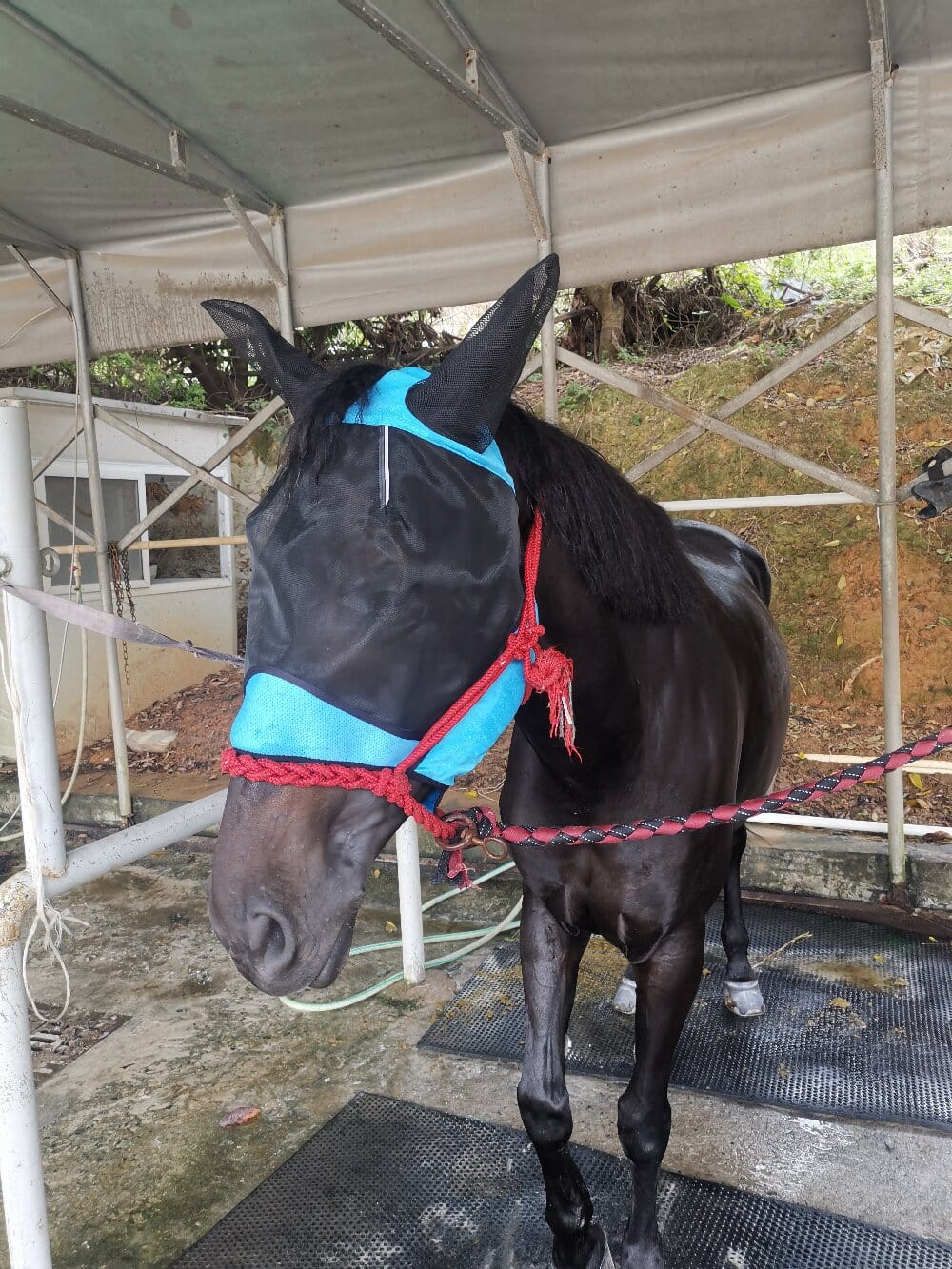
Horse owners know that fly season brings more than just annoyance. Biting insects can cause head tossing, constant stomping, and visible stress, and over time they contribute to skin irritation, eye infections, and reduced performance. A well-designed horse fly mask solves several of these problems at once by creating a physical barrier between sensitive facial tissue and flying pests, while still allowing the animal to see, breathe, and graze comfortably. Understanding how these masks work, what features matter most, and how to maintain them helps owners make smarter decisions for their animals.
Identifying the Core Problems a Horse Fly Mask Addresses
Before choosing any product, it helps to define the specific issues that need solving. Fly masks are not simply fashion accessories; they are functional equipment designed to counter several distinct challenges:
- Eye irritation and infection: Flies cluster around the corners of the eyes, where moisture and mucus attract them. Constant feeding causes tearing, swelling, and in severe cases, conjunctivitis.
- Head tossing and behavioral stress: Horses reacting to face flies often toss their heads violently, which wastes energy and can be dangerous under saddle.
- Sun sensitivity: Light-colored horses and those with pink skin around the muzzle are prone to sunburn and photosensitivity reactions.
- Wound protection: Masks shield healing abrasions on the face from renewed insect activity.
How to Select the Right Horse Fly Mask
Fit is the single most important factor in solving the problems above. A mask that gaps at the edges invites insects underneath, while one that is too tight rubs the skin and restricts vision. Buyers should measure the horse’s head from poll to noseband and compare against manufacturer sizing charts rather than guessing. Key features to evaluate include:
- Mesh density: Fine mesh blocks tiny biting midges, while coarser mesh offers better airflow in hot climates.
- Eye clearance: Good designs keep fabric away from the eyeball, often using darts or shaped panels.
- Ear options: Removable or integrated ear covers protect against ticks and gnats, but ears must never be compressed.
- Fastening system: Wide hook-and-loop straps and elastic throat closures reduce pressure points and prevent slipping.
- UV rating: For horses with sensitive skin, a mask with documented UV protection adds meaningful value.
Solving Common Usage and Maintenance Challenges
Even a well-fitted mask can create new problems if it is used carelessly. Owners should introduce the mask gradually, checking for rubbing behind the ears and along the cheekbones during the first few days. Masks should be removed daily to inspect the face and clean the fabric, since accumulated sweat and dirt can irritate skin. Rotating between two masks extends product life and ensures one is always dry. During turnout, pairing the mask with a fly sheet and repellent spray provides layered defense, and masks should be replaced once mesh tears or straps lose elasticity, as compromised barriers stop solving the original problem.
Practical Benefits and Final Recommendations
When selected and maintained correctly, a horse fly mask delivers measurable improvements in comfort and health. Reduced eye irritation lowers veterinary costs, calmer heads make training safer, and protected skin heals faster. Owners should treat the mask as part of a broader insect-management plan that includes pasture hygiene, stabling during peak fly hours, and appropriate repellents. Investing in accurate sizing, durable materials, and routine inspection turns a simple piece of mesh into one of the most cost-effective welfare tools available for horses during the warmer months.