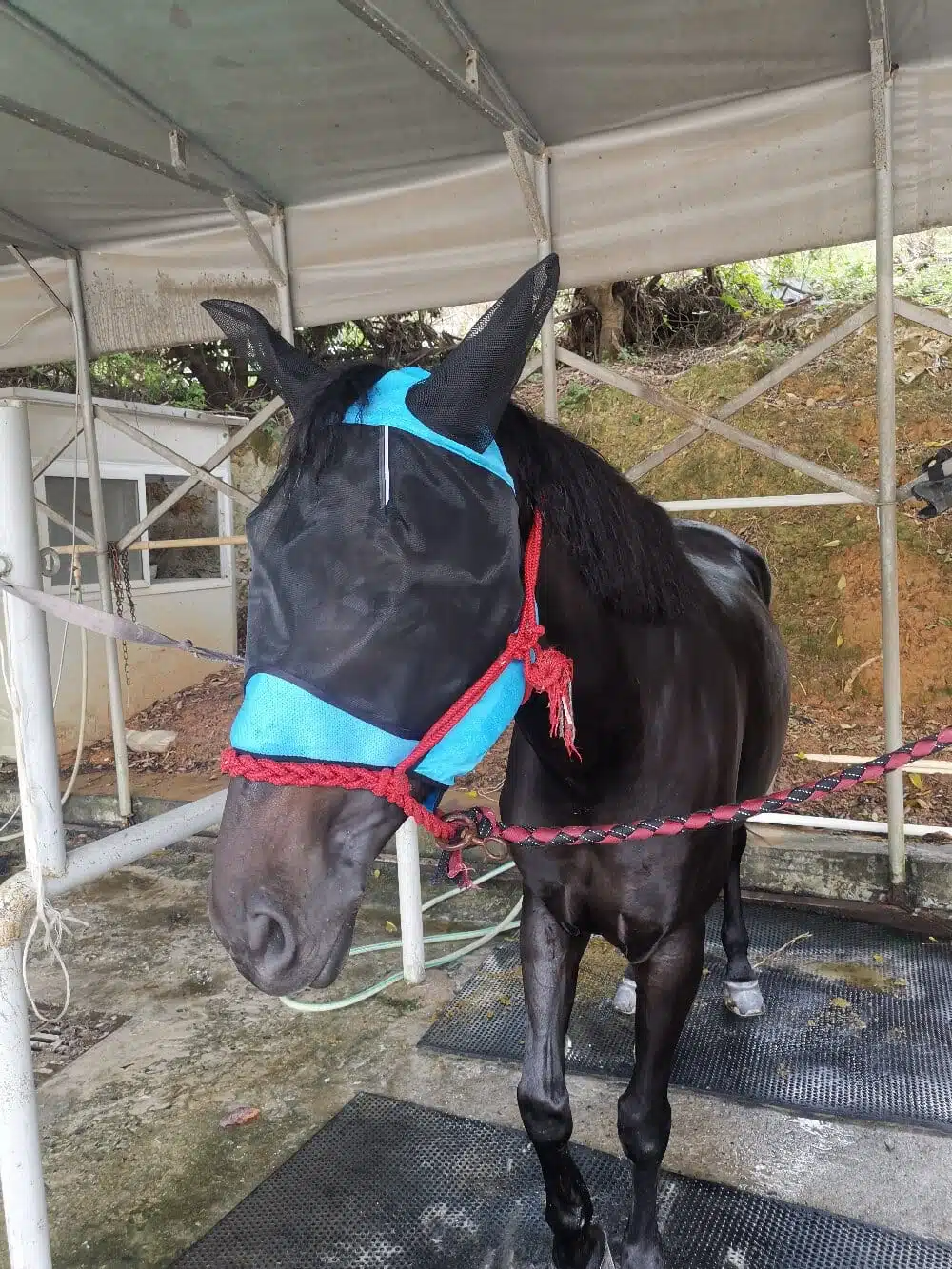

I still remember the first summer I noticed my gelding, Cooper, stomping his hooves and tossing his head every time he went out to pasture. The culprit was obvious: flies. After trying sprays, wipes, and even homemade concoctions, I finally invested in a horse fly mask, and it changed our entire routine. If you’re dealing with the same battle, this practical guide will walk you through what I’ve learned about choosing, fitting, and maintaining fly masks so your horse stays comfortable all season long.
What a Horse Fly Mask Actually Does
Before I bought my first mask, I assumed it was just a piece of mesh fabric. In reality, a quality fly mask is a barrier that protects the most sensitive parts of your horse’s head from biting insects, including face flies, stable flies, and even mosquitoes. The fine mesh keeps bugs away from the eyes and ears while still allowing airflow and visibility. I’ve found that a good mask also reduces the irritation that leads to rubbing, head shaking, and eye discharge. Some designs even offer UV protection, which is a bonus for horses with pink skin around the eyes.
How I Choose the Right Horse Fly Mask
Shopping for a fly mask can feel overwhelming because there are dozens of styles on the market. Over the years, I’ve narrowed down the features that actually matter:
- Fit and adjustability: Look for adjustable straps, usually at the throatlatch or poll, so the mask stays put without pressing on pressure points.
- Mesh quality: Tightly woven mesh blocks tiny insects, but it should still let air circulate. I avoid stiff, scratchy materials that rub the face.
- Ear coverage: If your horse is bothered by ear flies, choose a mask with ear covers, but make sure they aren’t too tight.
- Forelock opening: A small opening for the forelock keeps hair out of the eyes and improves comfort.
- Durability: Reinforced binding and sturdy stitching hold up better against pasture turnout and playful herd mates.
I also recommend measuring your horse’s head before ordering. A mask that’s too loose will slip and rub, while one that’s too tight can cause sores. When in doubt, size up and use the adjustments.
Tips for Fitting and Introducing the Mask
The first time I put a fly mask on Cooper, he acted like I’d strapped a alien to his head. Patience made all the difference. Here’s what works for me:
- Let your horse sniff and investigate the mask before putting it on.
- Place it gently over the ears first, then fasten the straps loosely.
- Check the fit by sliding two fingers under the straps; if you can’t, it’s too tight.
- Watch for rubbing behind the ears and around the eyes during the first few days.
- Remove the mask daily to inspect the skin and clean the mesh.
I also keep a spare mask on hand, because masks get dirty, wet, and occasionally lost in the pasture. Rotating two masks makes cleaning easier and ensures my horse is never without protection.
Caring for Your Fly Mask Through the Season
Maintenance is simple but important. I rinse my masks in lukewarm water with a mild soap, scrub the mesh gently, and let them air dry completely before putting them back on. Check straps and seams regularly for wear, and replace the mask at the first sign of fraying or stretched elastic. A clean, well-fitted mask lasts longer and works better.
Final Thoughts
A horse fly mask is one of the simplest, most effective tools I’ve added to my summer barn routine. By choosing the right fit, introducing it patiently, and keeping it clean, you can protect your horse’s eyes and ears from relentless insects and enjoy a calmer, happier partner all season long.