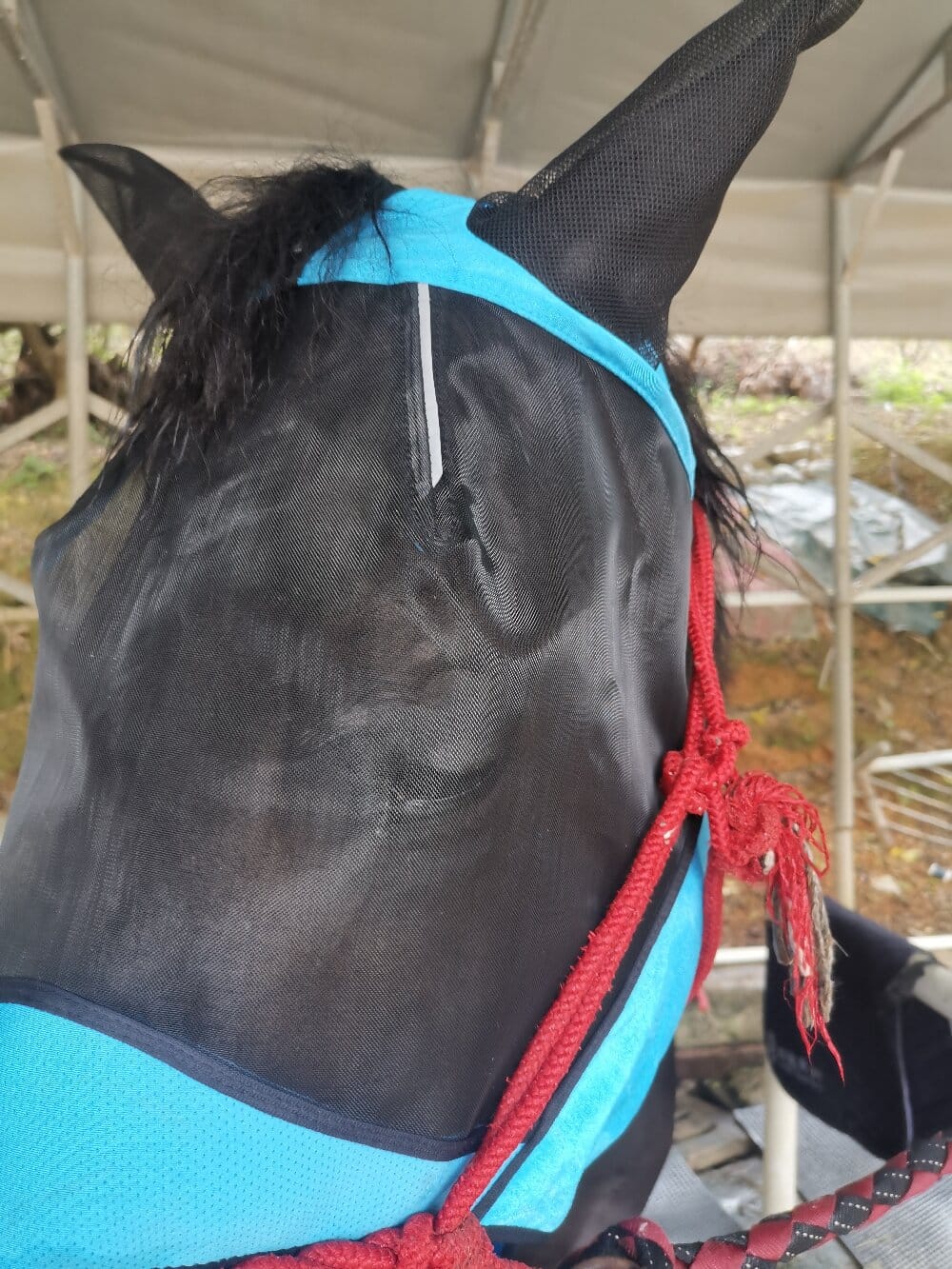
A horse fly mask is a specialized piece of equine protective equipment designed to shield the horse’s sensitive face and eyes from flying insects, particularly during warmer months when pest activity peaks. Veterinary ophthalmologists and equine care specialists consistently note that fly masks serve a dual purpose: they prevent physical irritation caused by biting insects and reduce the risk of ocular trauma and insect-borne disease transmission. Understanding how these masks function, what features matter most, and how to select the right model is essential for horse owners seeking to maintain herd health and comfort throughout fly season.
How a Horse Fly Mask Protects Equine Health
According to equine veterinary experts, the primary benefit of a fly mask extends beyond simple comfort. Biting flies, including horn flies and stable flies, can cause significant stress, leading to reduced feed intake and compromised performance. More critically, face flies are known vectors for Moraxella bovis, the bacterium associated with infectious bovine keratoconjunctivitis, and similar pathogens affecting horses. A properly fitted mask creates a physical barrier that keeps these insects away from the eyes, ears, and muzzle.
Experts also emphasize the role of UV protection. Many modern fly masks incorporate mesh fabrics that filter ultraviolet radiation, which is particularly beneficial for horses with photosensitivity or those diagnosed with equine recurrent uveitis. Research in equine ophthalmology suggests that reducing UV exposure can lower the frequency of flare-ups in susceptible animals.
The mesh construction allows for airflow and visibility while blocking insects. High-quality masks feature fleece binding at the edges to prevent rubbing, and some include ear covers for additional protection against biting midges, which are responsible for transmitting sweet itch.
Key Features Experts Recommend in a Horse Fly Mask
When evaluating fly masks, equine professionals advise prioritizing fit and material quality over cosmetic appeal. The following features are commonly recommended:
- Correct sizing: A mask should sit comfortably away from the eyes and allow full eyelash movement without gaps that permit insect entry.
- Durable mesh: Look for fine, tear-resistant mesh that blocks small insects while maintaining visibility.
- Fleece or soft binding: This reduces friction and prevents rub marks, especially during extended wear.
- Secure fastenings: Adjustable straps with reliable closures keep the mask in place during turnout and exercise.
- Ear protection options: Removable or integrated ear covers offer added defense in high-midge environments.
- UV-blocking fabric: Recommended for horses with ocular sensitivity or photosensitive conditions.
Specialists caution against leaving masks on continuously without inspection. Daily checks for dirt accumulation, strap wear, and fit changes are advised, particularly after rain or heavy sweating.
Proper Fit and Maintenance of a Horse Fly Mask
Veterinary technicians stress that an ill-fitting mask can do more harm than good. A mask that presses against the eyes may cause corneal abrasions, while an overly loose mask can slip and create rubbing points. Experts recommend measuring the horse’s head from poll to muzzle and consulting manufacturer sizing charts. During initial wear, owners should monitor for signs of discomfort, including head shaking or attempts to rub the mask off.
Cleaning is equally important. Masks should be rinsed regularly to remove dust, sweat, and insect residue, and inspected for tears that could compromise protection. Rotating between two masks extends product life and ensures a clean mask is always available.
Conclusion
Equine health professionals agree that a well-fitted horse fly mask is a practical, evidence-based tool for protecting horses from insect irritation, ocular injury, and UV-related complications. By selecting masks with durable mesh, secure fastenings, and proper sizing, and by maintaining them diligently, owners can significantly improve comfort and reduce disease risk during peak fly season.