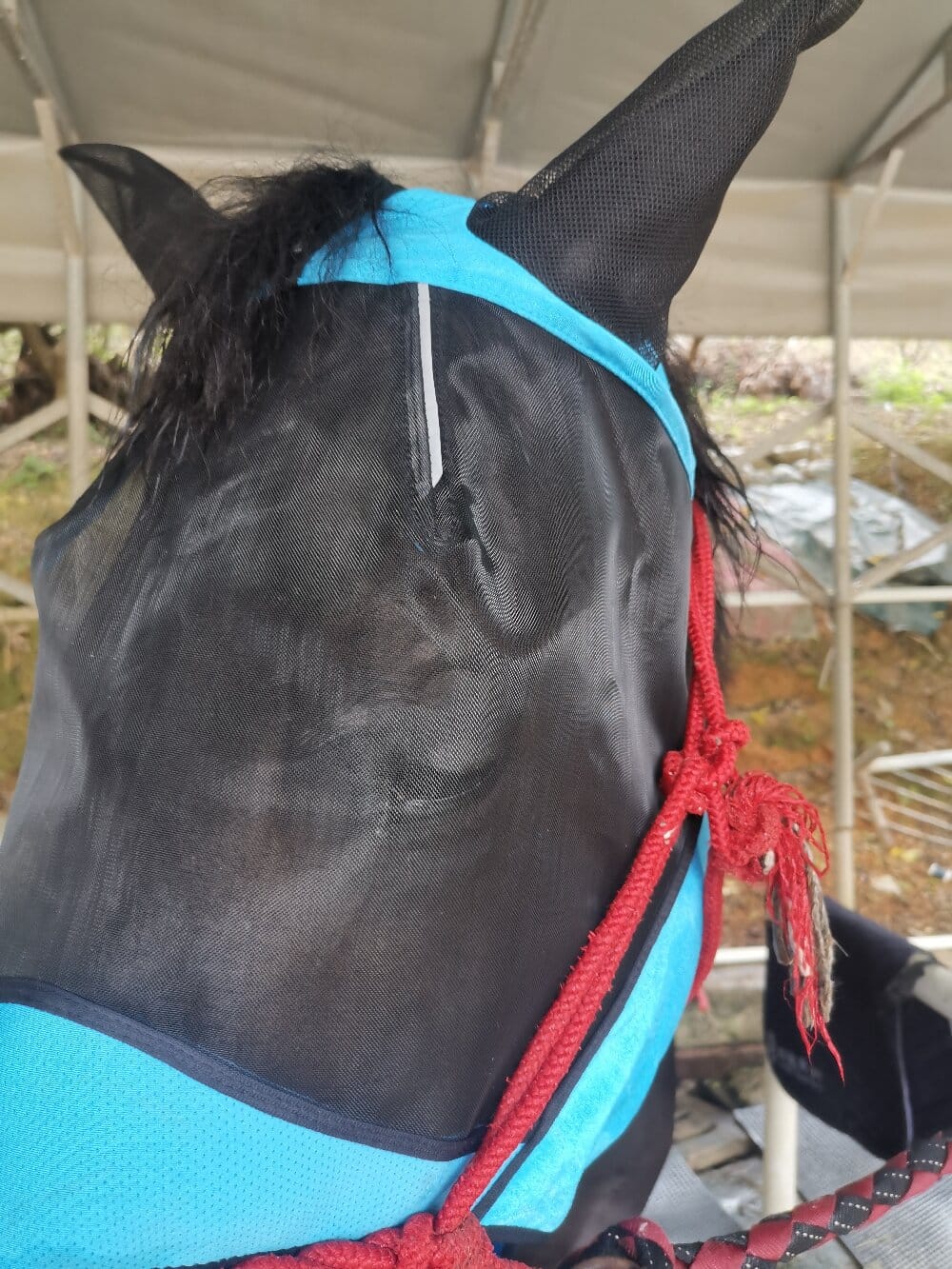
As someone who has spent years working alongside equine veterinarians and stable managers, I’ve watched the humble horse fly mask evolve from a simple mesh hood into a sophisticated piece of protective gear. In my experience, few tack room items generate as much debate—or as much genuine relief for our horses—as a well-designed fly mask. Whether you’re managing a single companion pony or a full barn of performance horses, understanding the industry insights behind these products can save you money and spare your horse a season of misery.
From a manufacturing standpoint, the fly mask category has exploded in recent years. I’ve toured production facilities and spoken with product designers, and the consensus is clear: demand has shifted from “basic bug netting” to “functional protective equipment.” Horse owners now expect UV protection, breathability, and durability in equal measure. That shift has pushed brands to invest in better materials, and the result is a market full of genuinely effective options—if you know what to look for.
The core function remains unchanged. A quality horse fly mask creates a physical barrier against flies, gnats, and mosquitos while allowing airflow and visibility. But the secondary benefits have become just as important. In my conversations with veterinarians, they consistently point to two overlooked advantages: reduced eye irritation and lower stress levels during turnout. Horses that can see and breathe comfortably are simply calmer, and calm horses are healthier horses.
Decoding Materials and Construction
When I evaluate a fly mask, I start with the mesh. The best products use a fine, durable weave that blocks tiny biting midges without trapping heat. Cheaper masks often sacrifice breathability for density, which defeats the purpose on hot summer days. I recommend looking for mesh that feels soft against the skin but resists tearing when a horse rubs against a fence post.
Binding and stitching tell you a lot about longevity. Reinforced edges around the ears and nose prevent fraying, and adjustable straps—especially those with hook-and-loop closures—make fit far more forgiving. One industry trend I find particularly smart is the move toward fleece-lined edges. These reduce rub marks on sensitive faces, which is a common complaint I hear from owners of thin-skinned breeds.
Fit and Sizing: Where Most Owners Go Wrong
If there’s one piece of advice I repeat most often, it’s this: a horse fly mask must fit properly or it won’t work. Too loose, and flies slip underneath or the mask twists sideways. Too tight, and you create pressure points and hair loss. Measure your horse from the top of the poll to just below the jaw, and check the manufacturer’s sizing chart rather than guessing.
Pay attention to ear coverage and forelock placement. Some horses tolerate full ear protection; others rub until the mask is destroyed. Long-nosed horses may need masks with extended nose coverage, while ponies often do better with scaled-down designs. In my experience, buying two sizes and returning the one that doesn’t fit is a smarter strategy than forcing a compromise.
Maintenance and Seasonal Rotation
Fly masks take abuse—mud, sweat, and repeated washing. I advise clients to inspect stitching and straps weekly and to hand-wash masks in mild soap rather than running them through a machine. Rotating between two masks extends the lifespan of both and ensures your horse is never without protection while one is drying.
- Check straps daily for wear and adjustment drift.
- Rinse off debris before it hardens into the mesh.
- Store masks dry to prevent mildew between seasons.
Final Thoughts
Choosing the right horse fly mask comes down to material quality, accurate fit, and consistent maintenance. The industry has moved toward smarter designs that balance protection with comfort, and owners benefit from that progress. Invest in a mask that fits well, inspect it regularly, and your horse will spend the season comfortable and fly-free.