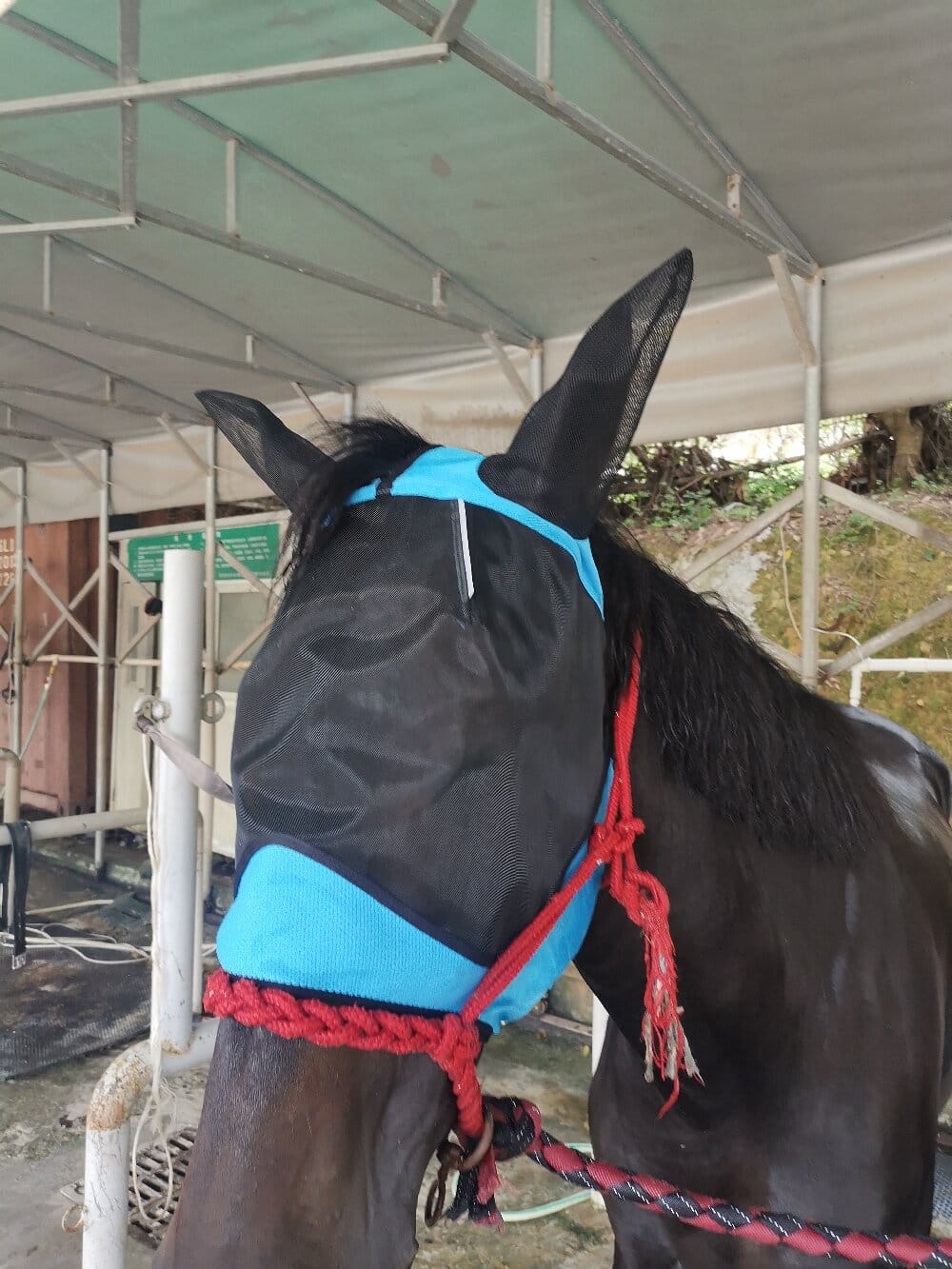
A horse fly mask is a lightweight, breathable face covering designed to shield a horse’s eyes, ears, and muzzle from biting insects, UV radiation, and airborne debris. From a methodological standpoint, evaluating and selecting a fly mask requires a structured approach that considers fit, material performance, environmental exposure, and behavioral response. This article outlines an objective framework for assessing fly masks, drawing on established equine management practices and materials science principles.
Methodology for Evaluating Horse Fly Mask Performance
A systematic evaluation begins with defining the primary function of the mask: physical exclusion of flies and other pests. The following criteria form a practical assessment model:
- Mesh density and airflow: Finer mesh blocks smaller insects such as gnats and midges, but must maintain adequate ventilation to prevent heat accumulation. A mesh of 600–1000 holes per square inch is commonly cited in manufacturer specifications.
- Fit and coverage: The mask should cover the forehead, eyes, and, where applicable, the ears and muzzle without restricting eyelid movement or rubbing the facial nerves. Measurement protocols typically involve recording the distance from the poll to the muzzle and the width across the cheekbones.
- Material durability: Fabrics are tested for tear resistance and UV stabilization. Products with reinforced binding and double-stitched seams generally demonstrate longer service life under pasture conditions.
- Fastening system: Hook-and-loop closures, buckles, and elastic straps are compared for security and ease of removal. A well-designed fastening system reduces the risk of the mask being dislodged during rolling or social interaction.
Field Testing and Observational Protocols for a Horse Fly Mask
Laboratory specifications alone do not confirm real-world efficacy. A structured field trial involves observing the horse over a defined period, typically 7–14 days, under consistent turnout conditions. Observers record:
- Frequency of head-shaking, stomping, and tail swishing as indicators of insect irritation.
- Presence of rub marks, hair loss, or skin irritation around the edges of the mask.
- Mask retention after rolling, grazing, and interaction with herd mates.
- Accumulation of sweat and debris beneath the fabric, which informs cleaning schedules.
These observational data are then compared against a baseline period without the mask, allowing an objective assessment of the product’s protective value.
Hygiene and Maintenance Considerations
From a methodological perspective, maintenance is a controlled variable that directly affects both mask longevity and horse health. Masks should be inspected daily for tears, debris, and fit displacement. Washing protocols typically recommend hand washing with mild detergent and thorough rinsing, followed by air drying to preserve mesh integrity. Rotating between two masks extends service life and ensures a clean mask is always available.
Limitations and Best Practices
No single fly mask design suits every horse or environment. Horses with sensitive skin may require seamless edge construction, while pastured animals in high-insect areas may benefit from ear and muzzle coverage. Objective selection therefore involves matching product specifications to the specific pest profile, climate, and individual horse behavior. Regular re-evaluation ensures continued effectiveness as seasons and herd dynamics change.
Conclusion
Applying a methodological framework to fly mask selection and use supports informed decisions rather than trial-and-error purchasing. By assessing mesh performance, fit, durability, fastening systems, and field-observed outcomes, equine caretakers can objectively determine which mask provides reliable protection and comfort. Consistent hygiene and periodic reassessment complete a practical, evidence-based approach to insect control.