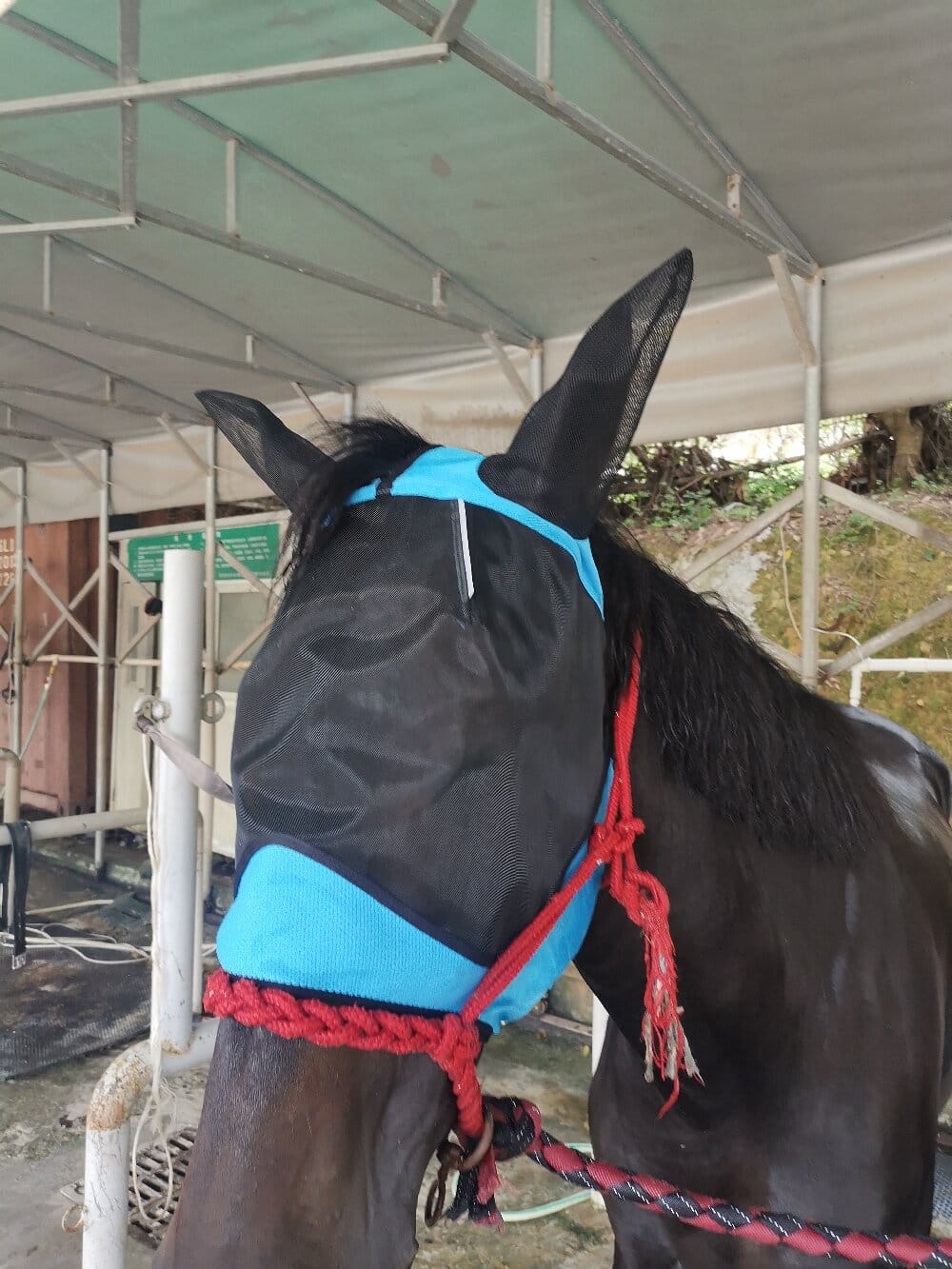
A horse fly mask is a lightweight, mesh-based piece of equine equipment designed to shield the animal’s eyes, face, and sometimes ears from flying insects, ultraviolet light, and airborne debris. While the basic concept appears straightforward, the market offers a wide spectrum of designs, materials, and feature sets that produce markedly different outcomes in the field. A comparative analysis of these variations helps owners make informed decisions based on their horse’s specific needs, environment, and management routine.
Material and Mesh Density Compared
The foundation of any equine fly mask is its mesh. Products typically fall into two broad categories: standard mesh and fine mesh. Standard mesh offers greater airflow and visibility but may permit smaller gnats or midges to penetrate. Fine mesh provides superior protection against tiny insects but can reduce airflow and, in some cases, limit peripheral vision. Comparative field observations suggest that horses in humid climates benefit from standard mesh to reduce heat buildup, while horses pastured near wetlands or standing water generally fare better with fine mesh. Durability also varies: coated polyester blends tend to outlast basic nylon, particularly under repeated washing and UV exposure. Consumers should compare stitch density and edge binding, as these construction details often predict longevity more reliably than brand claims.
Design Variations: Ear Covers, Forelocks, and Fit
Design features create some of the most meaningful differences between products. Ear covers protect against biting insects and sunburn but can trap heat and interfere with the horse’s natural ear movement. Forelock openings allow hair to fall naturally, reducing rubbing, yet they can create gaps where flies enter. Fit is arguably the most consequential variable. A mask that sits too loose can shift during grazing and expose the eyes; one that is too tight can cause pressure points and hair loss. Comparative trials consistently show that masks with adjustable touch-and-close straps at the throat latch outperform fixed-strap designs in retention and comfort. Horses with unusually wide or narrow head shapes may require specialized sizing, making try-before-buy or exchange-friendly policies valuable.
Protection Levels: UV, Insect, and Debris Defense
Not all horse fly masks are engineered for the same threats. Some prioritize UV-blocking fabrics to reduce sunburn risk, particularly on pink-skinned areas around the muzzle and eyes. Others emphasize insect exclusion through tighter weave and sealed seams. A third category targets dust and debris, often used for horses with sensitive eyes or during recovery from minor corneal irritation. Comparative analysis indicates that multi-purpose masks rarely excel in every category; owners should identify the primary threat in their pasture—biting flies, gnats, sunlight, or dust—and select accordingly. Layering options, such as a fly mask combined with a fly sheet, often delivers better overall protection than relying on a single heavily featured mask.
Maintenance, Longevity, and Cost Considerations
Price alone is a poor predictor of value. Comparative cost-per-season analysis reveals that moderately priced masks with reinforced seams and replaceable straps often outperform premium masks with delicate fabrics that tear easily. Washability matters as well: masks that retain shape after repeated laundering reduce replacement frequency. Owners should inspect masks daily for rubbing, and rotate between two masks to extend service life. Longevity also depends on pasture conditions—horses in dense brush or with playful herdmates will test stitching and mesh integrity more aggressively.
Conclusion
Selecting the right horse fly mask requires balancing mesh density, design features, protection priorities, and maintenance demands against the horse’s environment and temperament. Comparative evaluation shows there is no universal best choice; instead, the optimal mask is the one that matches specific insect pressures, climate conditions, and fit requirements. Careful comparison of materials, adjustability, and durability will yield better comfort and protection for the horse and better long-term value for the owner.