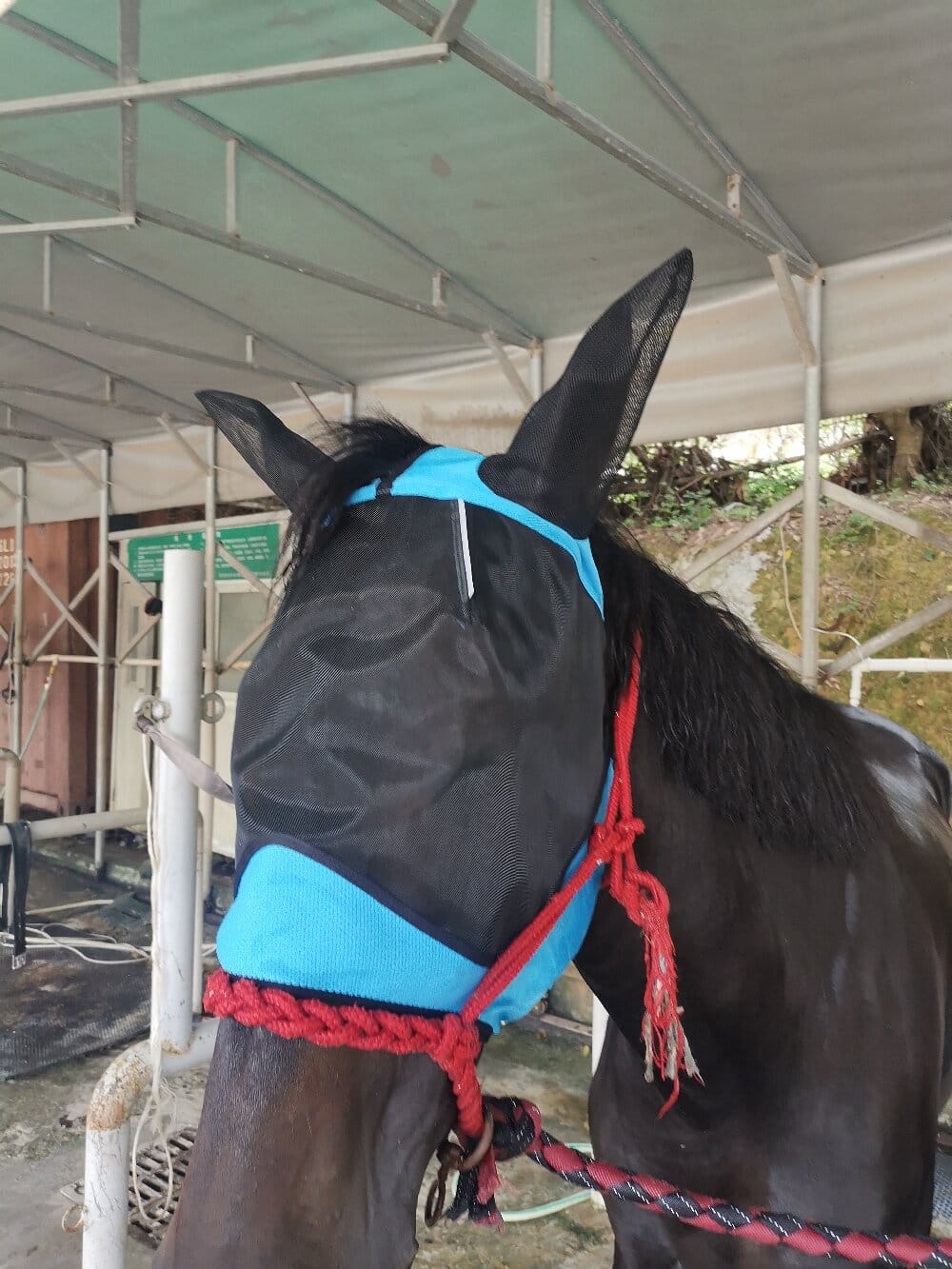
If you have spent any time around horses in the past few seasons, you have probably noticed that the humble horse fly mask has evolved from a cheap seasonal accessory into a serious piece of protective gear. As an industry insider, I can tell you that demand for well-designed fly masks has surged, and manufacturers are responding with technical fabrics, ergonomic fits, and features that would have seemed excessive a decade ago. This shift says a lot about how owners now think about equine comfort, welfare, and long-term eye health.
What Sets Modern Horse Fly Masks Apart
The days of scratchy, ill-fitting mesh are largely behind us. Today’s fly masks for horses are engineered with purpose. Breathable mesh density matters more than most people realize: too open, and tiny biting insects slip through; too tight, and airflow suffers during hot workouts. Reputable brands now balance these trade-offs with fine-gauge netting that blocks flies while letting heat escape.
From a product development standpoint, several features have become differentiators in a crowded market:
- UV protection ratings: Masks increasingly carry tested percentages, helping prevent sunburn and photosensitivity issues in light-skinned horses.
- Ergonomic ear and forehead cutouts: Better clearance around the eyes reduces rubbing and keeps forelocks free.
- Reinforced binding and double stitching: Field durability is the number one complaint among buyers, so construction quality now drives repeat purchases.
- Adjustable throat and cheek straps: Fit versatility across breeds, from fine-headed Arabians to draft crosses.
What interests me most is the rise of removable nose pieces and optional ear covers. These modular designs let one mask serve multiple purposes, which appeals to budget-conscious owners managing several horses.
Fit and Welfare: Where the Industry Still Has Work to Do
Here is my honest take: the biggest failure point in this category is not fabric or stitching, it is sizing education. A poorly fitted fly mask can rub the browband area, trap debris, or slide off entirely, and that erodes buyer trust fast. Retailers and manufacturers alike are investing more in measurement guides and video fitting tutorials, and I think that trend will only accelerate.
Welfare considerations are also shaping design. Vets continue to emphasize that a fly mask should never obstruct vision or press against the eyeball, and quality brands now test prototypes on real horses rather than relying on measurements alone. If you are shopping, prioritize breathability, secure fastenings, and a shape that follows the horse’s head rather than fighting it.
Market Outlook and Practical Buying Advice
Looking ahead, I expect the horse fly mask segment to keep moving toward technical textiles, reflective trims for visibility, and seasonal colorways that drive repeat purchases. Prices span a wide range, but the sweet spot for durability and comfort sits in the mid-tier, where quality materials meet sensible pricing.
My advice for buyers is straightforward: measure carefully, inspect stitching before first use, and rotate at least two masks per horse during peak fly season so one can be washed and dried. Wash masks regularly in mild detergent, air dry them, and check straps for wear. Small habits like these extend service life considerably and protect your horse’s eyes and coat.
Final Thoughts
The horse fly mask has earned its place as essential equipment rather than an afterthought. With smarter materials, better fits, and a market that rewards genuine quality, owners today have more effective options than ever. Choose carefully, maintain diligently, and your horse will thank you through every bug-heavy summer.