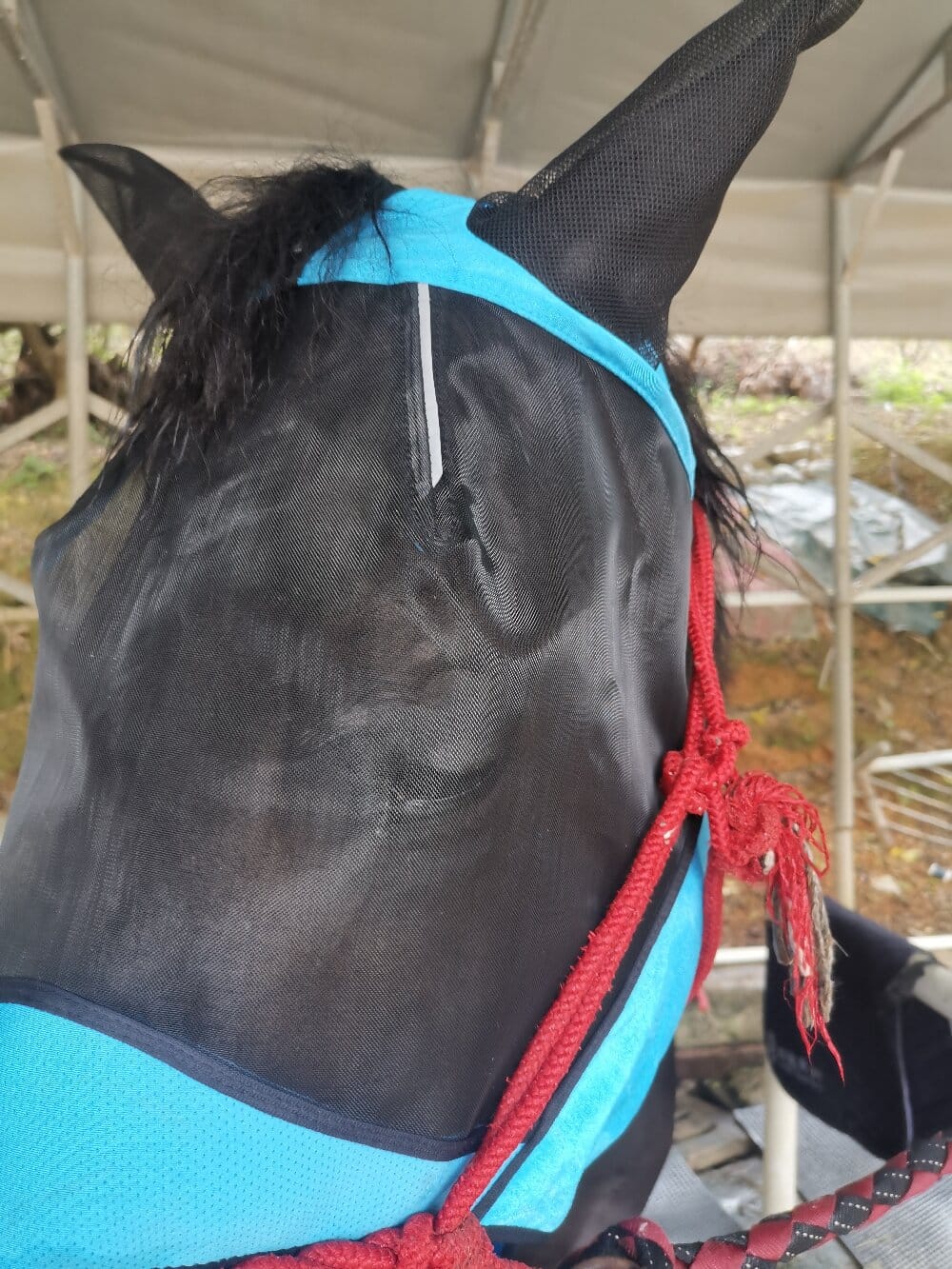
In the ever-evolving world of equestrian care, the horse fly mask has transformed from a simple mesh shield into a sophisticated piece of protective gear. Riders, trainers, and veterinarians are paying closer attention than ever to how these masks perform, fit, and integrate with modern stable routines. What was once an afterthought is now a seasonal essential, and the latest trends reveal a market driven by comfort, durability, and genuine welfare benefits for the horse.
Seasonal fly pressure has intensified in many regions, and horse owners are responding with smarter protection. The modern fly mask for horses is no longer just about keeping bugs off the face; it is about reducing stress, preventing eye irritation, and supporting overall wellbeing during turnout and training. Manufacturers are listening, and the result is a wave of designs that address real-world pain points.
From breathable fabrics to ergonomic cuts, the current generation of masks reflects a shift toward prevention-first horse care. Owners want gear that works hard without causing rubbing, overheating, or restricted vision — and the market is delivering.
Latest Trends Shaping Fly Mask Design
Several trends stand out this season, each reflecting a different perspective on horse comfort and practicality.
- Advanced mesh technology: Finer weaves block even the smallest midges while maintaining airflow, a critical factor for horses prone to sweet itch or photosensitivity.
- UV protection: Masks with built-in UV shielding are gaining traction, especially for horses with pale skin or those spending long hours in sunny paddocks.
- Ergonomic fit: Fleece-lined brow bands, adjustable nose pieces, and ear coverage options are becoming standard, reducing pressure points and slippage.
- Integrated ear and nose coverage: More owners are choosing full-coverage styles that protect delicate areas without compromising sight or hearing.
- Sustainable materials: Eco-conscious buyers are gravitating toward recycled fabrics and durable construction that extends product life.
Each of these trends tells a story about evolving expectations. Veterinarians emphasize eye health, trainers value durability, and everyday owners prioritize ease of use. The best masks balance all three.
Choosing the Right Fit: A Multi-Perspective Guide
Fit remains the single most important factor in mask performance. From a veterinarian’s viewpoint, a poorly fitted mask can cause corneal abrasions or rub marks. From a trainer’s perspective, a mask that slips during turnout becomes a nuisance and a safety concern. From the horse’s perspective, comfort is non-negotiable.
- Measure the head carefully, from brow to muzzle, and check sizing charts rather than guessing.
- Look for adjustable straps that allow a custom fit without over-tightening.
- Ensure the mask sits clear of the eyes and does not press on the eyelashes.
- Check ear openings for adequate room and ventilation.
- Inspect stitching and mesh quality, as cheap construction often fails mid-season.
Owners who invest time in fit report fewer replacements and happier horses, which makes the upfront effort worthwhile.
Care and Maintenance for Longevity
Even the best fly mask benefits from proper care. Rinse masks regularly to remove dust and sweat, check straps for wear, and rotate between two masks during peak season. Store them clean and dry to prevent mildew. These small habits extend the life of the gear and protect the horse’s skin.
Conclusion
The horse fly mask has evolved into a thoughtful, trend-driven piece of equestrian equipment. With advanced mesh, UV protection, ergonomic design, and sustainable materials leading the way, today’s masks offer more than insect defense — they support comfort, health, and peace of mind. By prioritizing fit, maintenance, and quality, owners can navigate the latest trends with confidence and keep their horses protected throughout the season.