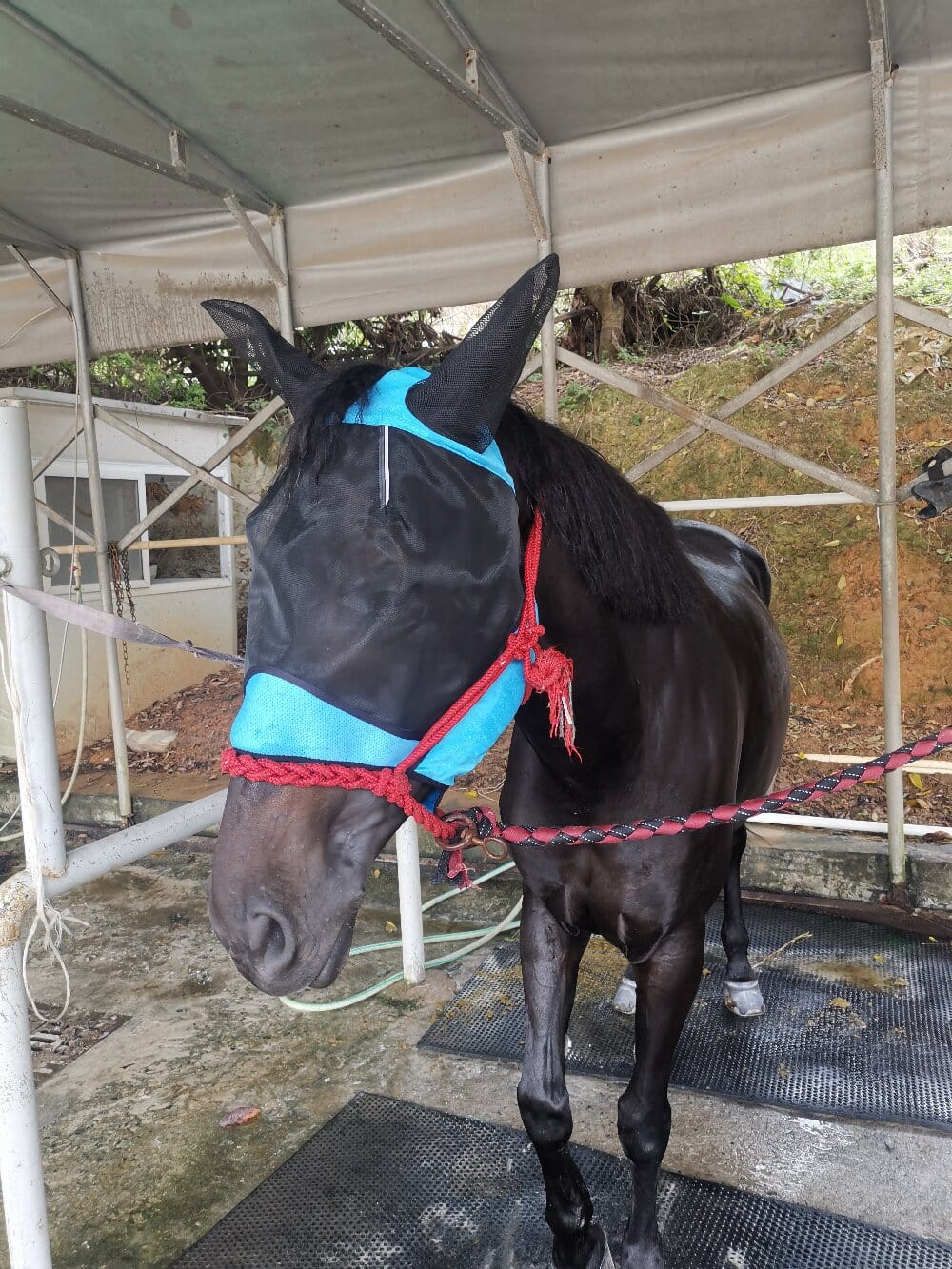
As equine care continues to advance, the horse fly mask is expected to transform from a simple mesh barrier into a sophisticated piece of protective gear. Future predictions suggest that within the next decade, these essential accessories will incorporate advanced materials, smart technology, and ergonomic designs that prioritize both comfort and effectiveness. Horse owners increasingly recognize that protecting their animals from flying insects is not merely a seasonal convenience but a fundamental component of equine health management.
Smart Materials and the Future Horse Fly Mask
Material science is poised to revolutionize the horse fly mask. Researchers are developing lightweight fabrics that repel insects through micro-textured surfaces rather than chemical treatments. These innovative textiles may feature self-cleaning properties, reducing the frequency of washing and extending product lifespan. Future masks could also integrate phase-change materials that regulate temperature around the sensitive eye area, preventing overheating during hot summer months. Such advancements would address a common complaint among horse owners: traditional masks can become uncomfortably warm.
Additionally, UV-blocking capabilities are expected to improve significantly. Future fly masks may offer certified protection against harmful solar radiation, helping to prevent ocular conditions such as squamous cell carcinoma and uveitis. Manufacturers will likely publish standardized UV protection ratings, allowing consumers to make informed comparisons.
Integration of Sensor Technology
One of the most anticipated developments is the incorporation of sensor technology. Future horse fly masks could include miniature monitors that track insect pressure in the surrounding environment. These sensors might transmit data to a smartphone application, alerting owners when fly activity reaches threshold levels. Such information would enable proactive measures, including adjusted turnout schedules or targeted repellent application.
Beyond insect monitoring, embedded biometric sensors could measure tear production, eye temperature, and blink frequency. These metrics would provide early warnings of ocular irritation or infection, facilitating timely veterinary intervention. While still speculative, prototypes of similar wearable technology for livestock are already under development, suggesting commercial viability within the next five to ten years.
Ergonomic and Customized Fit
Future designs will likely prioritize anatomical accuracy. Three-dimensional scanning technology could allow owners to order custom-fitted masks tailored to individual head shapes, eliminating gaps that allow insects to enter. Adjustable strap systems will become more intuitive, with magnetic closures and quick-release mechanisms improving safety and ease of use. Breathable ear covers and extended nose protection are expected to become standard features rather than premium add-ons.
- Custom sizing based on digital scans
- Magnetic and quick-release fasteners
- Integrated ear and nostril coverage
- Reflective elements for visibility in low light
Sustainability and Ethical Manufacturing
Environmental considerations will shape the future of equine fly protection. Predicted trends indicate a shift toward biodegradable mesh materials and recycled packaging. Consumers are increasingly demanding transparency regarding manufacturing processes, and brands are expected to respond with certifications and ethical sourcing commitments. Longevity will become a key selling point, with repairable designs reducing waste and lowering long-term costs for horse owners.
Conclusion
The future of equine eye protection appears bright and increasingly sophisticated. Anticipated innovations in smart materials, sensor integration, ergonomic design, and sustainable manufacturing will redefine what a horse fly mask can achieve. These developments promise greater comfort for horses, enhanced convenience for owners, and improved health outcomes overall. As technology matures, the humble fly mask will likely emerge as an indispensable tool in comprehensive equine wellness programs, blending practicality with cutting-edge science.