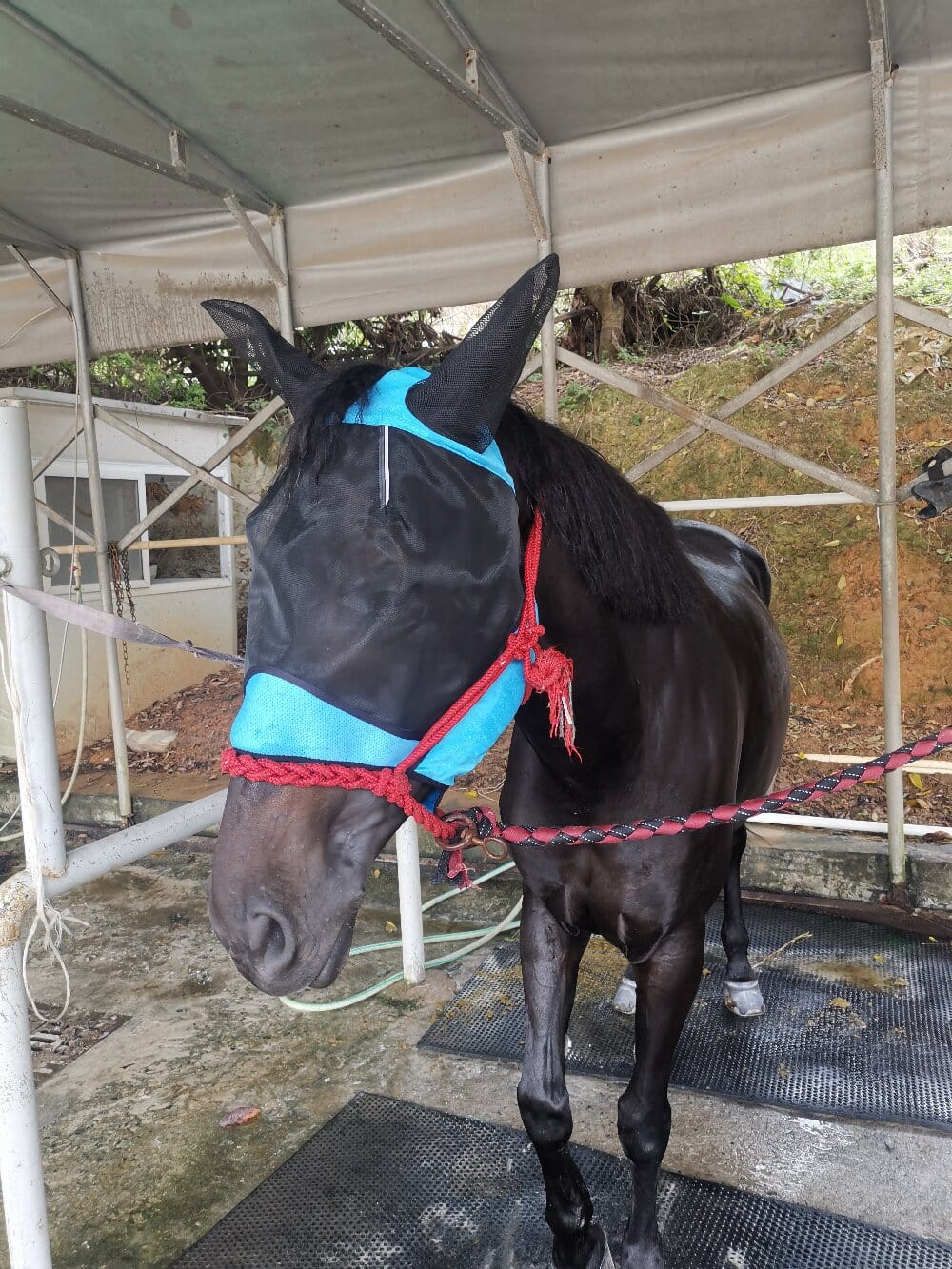
If you’ve spent any time around stables this season, you’ve likely noticed that the horse fly mask has evolved far beyond the basic mesh hood of a decade ago. Once a simple barrier against buzzing pests, today’s fly masks are a sophisticated blend of veterinary science, equine ergonomics, and smart textile technology. From UV-blocking fabrics to pressure-point-free designs, the latest trends reflect a growing understanding that fly protection is not just about comfort—it’s about preventing eye disease, reducing stress, and supporting performance. In this article, we’ll explore the newest developments from multiple perspectives: the horse owner, the veterinarian, the manufacturer, and the trend-conscious rider.
Why the Modern Horse Fly Mask Is Having a Moment
Fly season is getting longer in many regions, and horse owners are increasingly aware of the risks associated with face flies and stable flies. These pests don’t just cause irritation; they can transmit conjunctivitis, spread bacteria, and contribute to summer sores. From a veterinary perspective, consistent eye protection reduces the incidence of corneal ulcers and uveitis flare-ups. From a welfare standpoint, a well-fitted mask lowers stress hormones and prevents head-shaking behaviors. And from a trend perspective, the demand for equine eye protection has sparked a wave of innovation—think breathable athletic mesh, sculpted ear coverage, and even reflective trim for visibility during early morning turnout.
Latest Trends Shaping Horse Fly Mask Design
Manufacturers are responding to rider feedback with features that prioritize fit, durability, and horse comfort. Here are the standout trends:
- Ergonomic, pressure-free framing: Newer masks use soft, flexible binding and shaped darts to keep mesh away from the eyes and eyelashes, reducing rubbing and preventing “mesh print” on the face.
- UV-blocking fabrics: With research linking sun exposure to equine eye conditions, many masks now offer UPF protection, making them a dual-purpose tool for summer turnout.
- Ear and poll coverage: Removable or integrated ear covers are a major trend, addressing ear flies and midges without compromising fit.
- Smart materials: Moisture-wicking liners, odor-resistant treatments, and quick-dry mesh are becoming standard in premium fly masks for horses.
- Reflective and high-visibility accents: Safety-conscious owners are choosing masks with reflective piping for low-light turnout.
Multi-Perspective: How Different Riders Choose a Fly Mask
The veterinarian prioritizes eye clearance and breathability, recommending masks that stay off the cornea and allow airflow to prevent fungal growth. The competitive rider looks for a streamlined fit that won’t interfere with bridle fit or helmet compatibility. The pleasure owner values durability and ease of washing, especially for horses that live out 24/7. The rescue or sanctuary manager focuses on affordability and adjustability across different head shapes. The common thread? A horse fly mask is no longer a one-size-fits-all accessory—it’s a piece of protective equipment that should be selected with the same care as a saddle pad or boot.
Fit and Care: Getting the Most from Your Equine Fly Mask
Even the most advanced mask fails if it doesn’t fit properly. Look for adjustable touch-close straps, generous throat coverage, and a design that leaves room for the forelock. Check daily for rubbing, especially behind the ears and along the jaw. Wash masks regularly in mild soap and air-dry to maintain mesh integrity. Rotate between two masks during peak fly season to allow one to dry while the other protects. And remember: a mask is a complement to—not a replacement for—fly spray, manure management, and stable hygiene.
Conclusion
The horse fly mask has transformed from a seasonal necessity into a thoughtful piece of equine wellness gear. Whether you’re a vet-focused owner, a trend-driven rider, or a practical barn manager, the latest designs offer better protection, improved comfort, and smarter materials than ever before. By choosing a mask that fits well and suits your horse’s lifestyle, you’re investing in healthier eyes, calmer turns out, and a more comfortable summer for your equine partner.