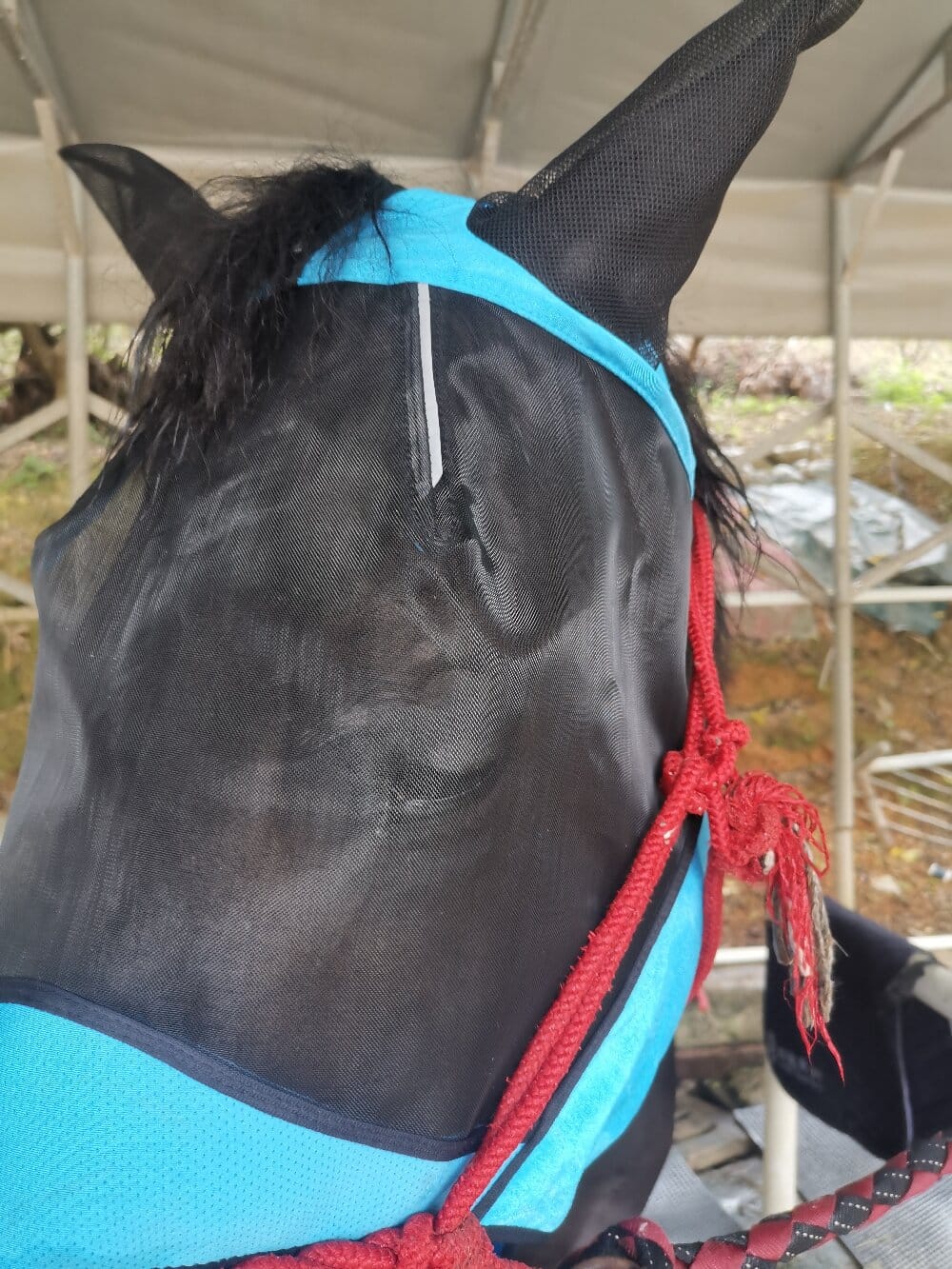
If you’ve spent any time at the barn or scrolled through equestrian social feeds lately, you’ve probably noticed that the humble horse fly mask has undergone a serious glow-up. What used to be a basic mesh hood is now a piece of smart, stylish equine gear, and honestly, I’m here for it. The latest trends in fly protection are blending function with fashion in ways that would have seemed ridiculous a decade ago — and yet, they’re solving real problems for horses and owners alike.
Horse Fly Mask Trends Worth Watching This Season
The biggest shift I’ve seen is the move toward ergonomic, anatomical fits. Brands are finally realizing that a one-size-fits-all approach doesn’t work for every head shape, and the new sculpted designs with darted seams and adjustable straps are a game-changer. Beyond fit, here’s what’s trending in fly masks right now:
- UV-blocking fabrics: Masks that double as sun protection are flying off the shelves, especially for horses with pink skin or photosensitivity.
- Ear and nose extensions: Detachable or built-in coverage for sensitive areas is a major selling point this year.
- Smart textiles: Breathable, moisture-wicking mesh that keeps insects out without trapping heat is the new standard.
- Bold colors and patterns: Neon trim, geometric prints, and matching fly sheets are having a moment — because why shouldn’t your horse look good while staying comfortable?
- Reflective detailing: A practical trend for turnout safety, especially during dawn and dusk.
Fit and Function: What the New Generation Gets Right
I’ll be blunt: for years, fly masks were an afterthought — cheap mesh that rubbed manes and slipped over eyes. The newest designs actually respect equine anatomy. Reinforced eye darts keep fabric away from lashes, fleece binding reduces friction, and double-locking closures mean the mask stays put during a good roll in the pasture. Many models now offer removable nose pieces, so you can customize coverage based on your horse’s sensitivity and the local bug pressure.
What I find especially clever is the rise of ear-aware designs. Traditional masks ignored ear placement entirely, but the latest patterns accommodate ear angles so the mask doesn’t pull or twist. It’s a small detail that makes a massive difference for horses who are fussy about their heads.
Materials and Care: The Sustainable Angle
Sustainability is no longer a niche talking point in equestrian gear. Recycled mesh fabrics and eco-friendly dyes are starting to appear in fly mask lines, and I think this trend will only grow. From a practical standpoint, look for masks that are machine-washable and quick-drying — because let’s be honest, a muddy mask is a mask your horse will resent wearing. A gentle wash in a laundry bag preserves the mesh and keeps the UV coating intact longer.
How to Choose the Right Fly Mask for Your Horse
With so many options, it helps to shop with a checklist in mind:
- Measure your horse’s head length and width before buying — sizing charts vary by brand.
- Decide whether you need ear, nose, or full-face coverage.
- Check for UV protection ratings if your horse has sensitive skin.
- Prioritize breathability for hot climates and fleece edging for thin-skinned horses.
- Consider reflective trim if your horse is turned out near roads or in low light.
Final Thoughts
The modern fly mask is no longer just a barrier against bugs — it’s a thoughtful piece of protective gear that reflects better science, better materials, and a little bit of personality. Whether you go for a sleek neutral mesh or a neon statement piece, investing in a well-fitted, trend-forward design will keep your horse comfortable through fly season and beyond. The trend is clear: protection and style are finally galloping in the same direction.