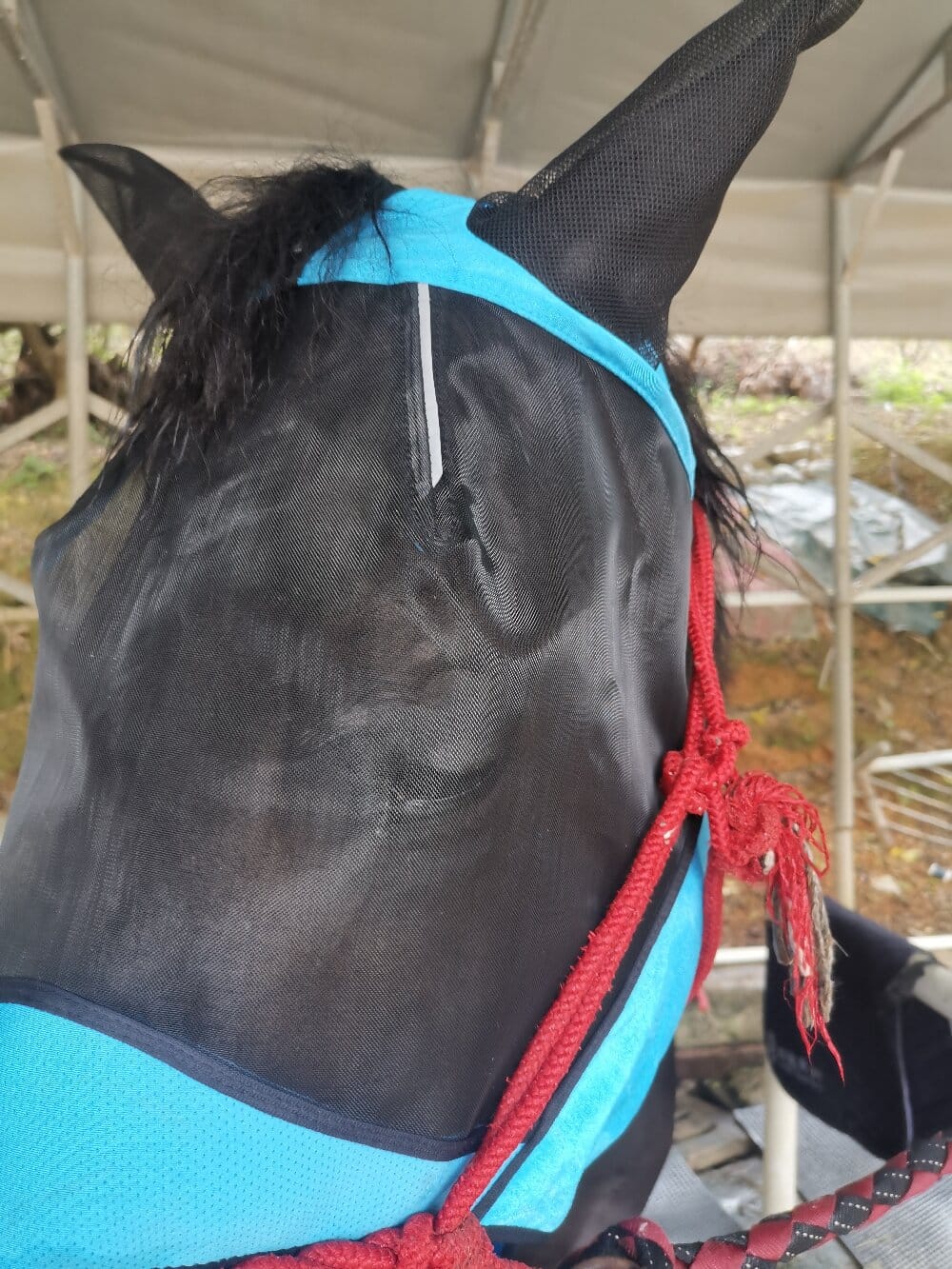
If you have been shopping for fly protection lately, you have likely noticed that the humble horse fly mask has evolved into one of the most technology-packed pieces of tack in your barn. Gone are the days of stiff, basic mesh hoods that rubbed manes and fogged up eyes. Today’s fly masks are engineered with breathability, UV defense, and ergonomic fit in mind, and if you want your horse comfortable through the height of fly season, it pays to know what is trending right now.
Fly season is no longer a few pesky weeks in July. Warmer, longer summers mean biting insects linger well into autumn, and horse owners are responding by treating fly gear as everyday equipment rather than an afterthought. The latest fly masks for horses reflect that shift. Manufacturers are using softer, lighter fabrics that allow air to circulate while still blocking tiny gnats and stable flies, and many models now include extended nose coverage and ear protection as standard rather than premium add-ons.
You will also notice a surge in design details aimed at real-world durability. Reinforced binding, double-locking hook-and-loop closures, and fleece-lined edges are becoming the norm because riders complained, and brands listened. If your previous mask ended up in shreds by August, the current generation is built to survive turnout, rolling, and the occasional playful gelding.
Top Trends Shaping Fly Masks for Horses This Season
Several clear trends are defining the market, and understanding them will help you choose wisely.
- UV protection ratings: More masks now advertise a specific UV block percentage, protecting sensitive skin and pink muzzles from sunburn as well as insects.
- Breathable mesh technology: Newer weaves balance airflow with a bite-proof barrier, reducing heat buildup on scorching afternoons.
- Anatomical fit: Sculpted eye darts and adjustable throat straps keep the mask off the eyelashes and away from pressure points.
- Integrated ear and nose coverage: Full-coverage styles are outselling minimalist versions as owners target gnats and midges around delicate areas.
- Reflective trim: A practical safety feature for horses turned out near roads or in low light.
You will also see more color options and pattern choices than ever, which matters if you manage multiple horses and want to spot one at a glance across a large pasture.
How to Fit and Maintain Your Mask Like a Pro
Even the best fly mask fails if the fit is wrong. Measure your horse’s head from the poll to the end of the nose, and check the manufacturer’s sizing chart rather than guessing. The mask should sit smoothly over the eyes with room for lashes to blink freely, and the throat strap should allow two fingers of slack. Check daily for rub marks, especially behind the ears and along the noseband, and adjust before small irritations become sores.
Maintenance is equally important. Rinse the mask weekly in cool water with mild soap, air dry it in shade, and inspect seams and closures for wear. Rotating between two masks extends the life of both and ensures you always have a clean, dry option ready.
Final Thoughts
Today’s fly masks blend comfort, sun protection, and thoughtful design in ways that older gear never could. By choosing a breathable, well-fitted model with the coverage your horse needs and keeping it clean, you will keep insects, irritation, and sunburn at bay all season long.