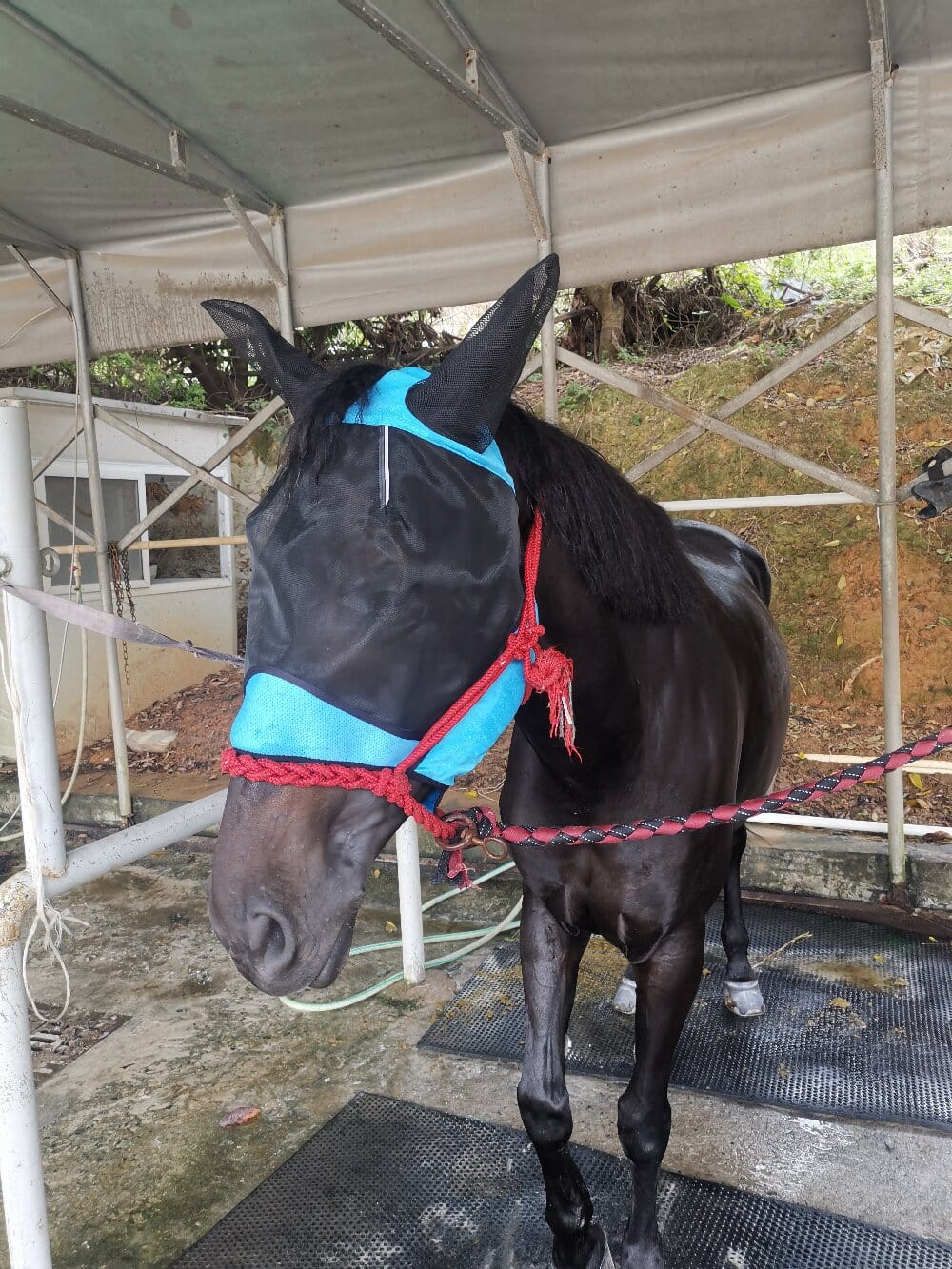
In equestrian management, the horse fly mask has become an essential piece of protective equipment, particularly for horses living in regions with high insect populations. This case study examines how one stable, Pine Ridge Equestrian Center, adopted and evaluated fly masks over a full grazing season, offering practical insights for horse owners and barn managers considering similar investments. The goal was straightforward: reduce fly-related stress, prevent eye irritation, and improve overall herd comfort without disrupting daily routines.
Background and Initial Challenge
Pine Ridge Equestrian Center manages twenty-two horses, ranging from retired pasture companions to active show jumpers. Located near a wetland area, the facility faced persistent problems with face flies, stable flies, and gnats during the warmer months. Staff reported frequent head-shaking, eye discharge, and reduced grazing time among the herd. Traditional remedies such as topical repellents and fly sheets helped somewhat, but the horses’ faces remained vulnerable. The barn manager decided to trial a horse fly mask program across the entire herd for one season.
Selecting the Right Horse Fly Mask
The team evaluated several designs before committing. Key selection criteria included:
- Mesh density that blocked tiny gnats while allowing adequate airflow
- Fleece padding at the brow and nose to prevent rubbing
- Adjustable straps that stayed secure without restricting movement
- UV protection for horses with pink skin around the eyes
- Durability to withstand pasture turnout and washing
The stable ultimately chose masks with fine mesh, reinforced binding, and removable ear covers. Fit was assessed individually, since head shapes vary considerably between breeds. Staff measured each horse and checked for clearance around the eyes, ensuring lashes did not touch the mesh.
Implementation and Daily Management
Masks were introduced gradually over two weeks. Horses wore them during daytime turnout initially, with overnight use added for those most bothered by nocturnal insects. The barn established a simple routine: masks were checked each morning, rinsed weekly, and inspected for wear. Two horses required a different size after the first week due to minor rubbing behind the ears, which was resolved with a padded browband style.
Staff also monitored behavioral indicators, including time spent grazing, frequency of head-shaking, and any signs of eye irritation. Records were kept in a shared log so that changes could be tracked objectively rather than relying on memory.
Results Observed Across the Herd
By mid-season, the results were notable. Grazing time increased by an estimated fifteen to twenty percent during peak fly hours. Veterinarian visits for eye irritation dropped compared to the previous year, and staff reported fewer instances of head-throwing and stamping. The masks also reduced the need for daily application of topical repellents, saving labor and reducing chemical exposure.
Challenges existed. One horse learned to remove its mask by rubbing against fence posts, requiring a different strap configuration. Another developed a small bald patch at the poll, which resolved after switching to a lighter-weight design. These issues highlighted the importance of individual fit and regular inspection rather than a one-size-fits-all approach.
Cost and Practical Considerations
The stable calculated that quality masks paid for themselves within a single season through reduced repellent costs and fewer veterinary consultations. Longevity varied: masks used on pasture turnout lasted roughly four to six months, while those worn by stalled horses lasted longer. Washing in mild soap and air-drying extended usable life, and keeping a spare set allowed rotation during cleaning.
Conclusion and Key Takeaways
This case study demonstrates that a well-planned horse fly mask program can meaningfully improve equine comfort and reduce insect-related health issues. Success depended on careful fit, gradual introduction, and consistent daily checks. For barns considering similar initiatives, the Pine Ridge experience suggests starting with a small trial group, documenting observations, and adjusting designs based on individual horse needs. With thoughtful implementation, fly masks prove to be a practical, cost-effective component of seasonal horse care.