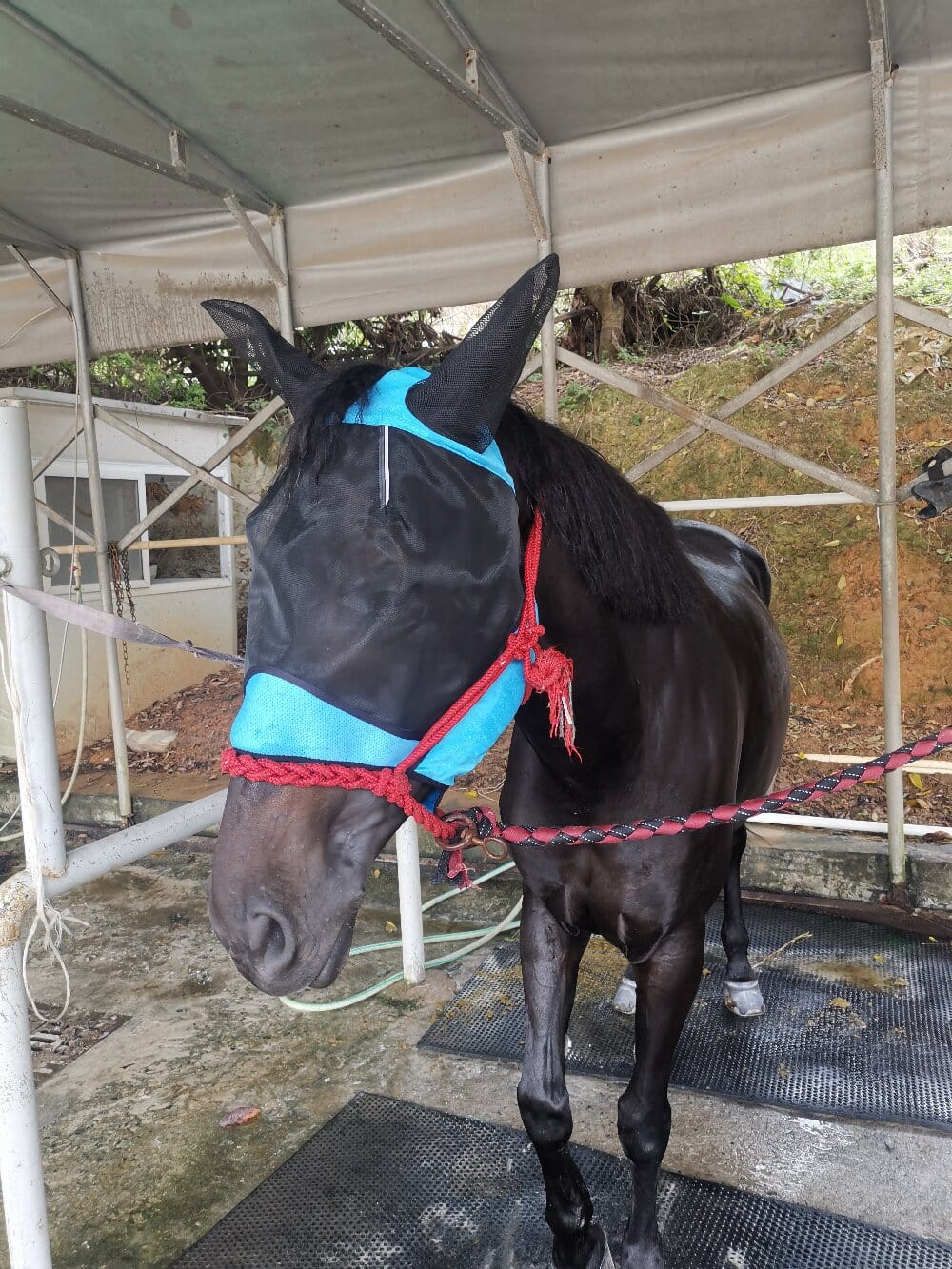
A good horse fly mask is, in my honest opinion, the single most underrated piece of summer tack you can buy. I learned this the hard way after watching my gelding stomp, head-shake, and rub his face raw through an entire July. Since then, I have tested more fly masks than I care to admit, and the differences between them are far bigger than the price tags suggest. In this comparative look, I will walk you through what separates a mediocre mask from a great one, and where I think most shoppers go wrong.
Horse Fly Mask Comparison: Mesh, Fit, and Protection
When I compare fly masks, I focus on three things: mesh density, fit around the ears and eyes, and durability through mud, rain, and repeated washing. A fine mesh blocks tiny gnats and biting midges, but it can trap heat. A coarser mesh breathes better but lets the smallest pests through. In my experience, a mid-weight mesh with a dark tint strikes the best balance, blocking UV rays and reducing glare without turning the face into a sauna.
Fit matters just as much. Masks that gap at the cheek let flies crawl underneath, which defeats the entire purpose. I strongly prefer designs with adjustable touch-and-close straps and fleece binding at the edges, because those details prevent rubbing. Cheap masks with stiff binding have left raw spots on my horse twice, and I will not risk that again.
Ear and Eye Coverage: Where Cheap Masks Fall Short
This is the category where budget masks lose me every time. Ear coverage should be soft, stretchy, and positioned so the ears can rotate freely. Solid, stiff ear cones look protective but cause frustration and head tossing. For eyes, I look for a mask that holds the mesh well away from the eyelashes rather than pressing flat against the face. Darts and shaping around the brow make a real difference here, and I now refuse to buy a mask without them.
Optional nose coverage is another point of comparison. Full-face styles with a nose extension protect against sunburn on pink-skinned muzzles, but they get dirty fast and can interfere with grazing. I usually keep one of each: a standard mask for everyday turnout and a longer version for the brightest, buggiest weeks.
Durability and Care: My Long-Term Test Results
I have washed masks weekly through three summers, and the survivors share a few traits. Reinforced stitching at stress points, metal-free hardware that does not rust, and mesh that holds its shape after machine washing in a laundry bag all matter. Masks that faded or tore within a month generally had thin elastic and single-stitched seams. My advice: spend a little more up front, because replacing a flimsy mask mid-season costs more in the end.
- Check mesh density against the pests in your area
- Prioritize soft ear coverage and shaped eye darts
- Confirm adjustable straps and fleece edging
- Wash weekly in a laundry bag, air dry only
- Keep a spare so one can dry while the other works
Final Verdict
After all this comparing, my conclusion is simple: the best horse fly mask is the one that fits closely, breathes well, and survives real barn life. Do not chase the cheapest option, and do not assume the most expensive mask suits every horse. Measure your horse’s head, read reviews about rubbing and ear comfort, and buy one quality mask plus a backup. Your horse will stop head-shaking, his coat will stay intact, and you will wonder why you waited so long.