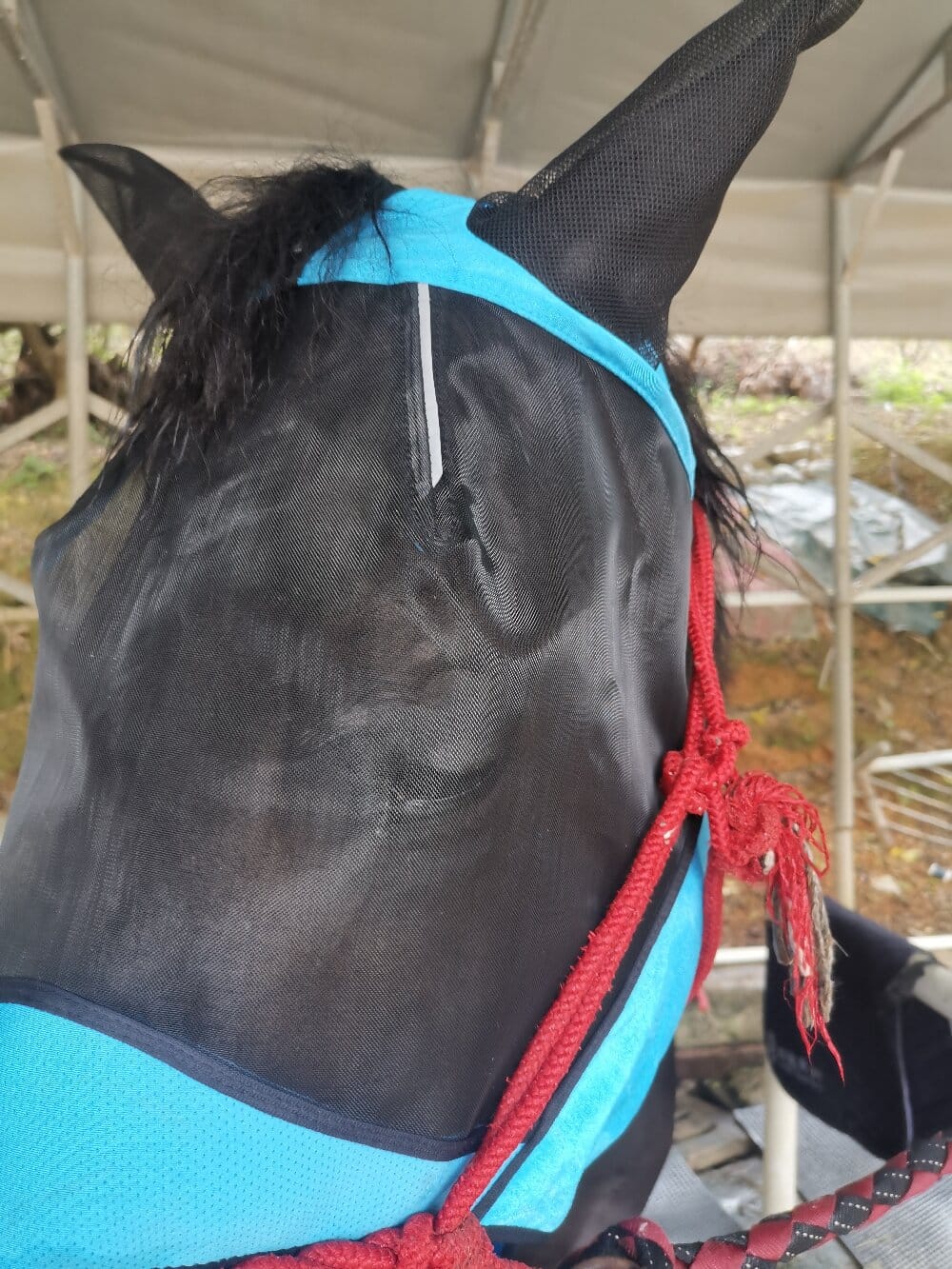
The horse fly mask, a seemingly simple piece of equine equipment, has a history that reflects changing relationships between humans and horses. From its early origins as a rudimentary barrier against biting insects to its modern form as a specialized piece of protective gear, the fly mask offers a useful lens through which to examine the evolution of equine care. Understanding this history helps horse owners appreciate not only the function of the mask but also the practical needs that shaped its design over time.
Before the widespread use of synthetic materials, horses faced constant harassment from flies, gnats, and other pests. Historical accounts from agricultural communities in Europe and North America describe improvised coverings made from leather, canvas, or woven cloth, often secured with simple straps. These early attempts at insect protection were pragmatic rather than refined, designed to shield sensitive areas such as the eyes and ears from irritation and infection. The development of the horse fly mask was driven less by fashion than by necessity, as working animals needed relief from pests that could cause distress, reduced performance, and even disease.
The Evolution of the Horse Fly Mask in the Industrial Era
The nineteenth and early twentieth centuries brought improvements in textile manufacturing, which gradually influenced equine equipment. Farmers and stable managers began experimenting with lighter, more breathable fabrics that could be attached to a headpiece without obstructing vision. This period saw the emergence of more structured designs, including masks with mesh panels that allowed airflow while keeping insects at bay. While documentation is limited, surviving catalogs and farm journals suggest that by the early twentieth century, protective face coverings were becoming a recognized item in serious equestrian operations.
Key developments during this era included:
- The use of finer mesh materials to improve visibility and ventilation.
- Adjustable straps that allowed a more secure and comfortable fit.
- Greater attention to ear protection, often integrated into the mask design.
- Growing awareness of the role of insect control in preventing eye infections and skin irritation.
Modern Materials and Contemporary Design
The late twentieth century and early twenty-first century transformed the horse fly mask into a sophisticated product. Synthetic fabrics such as nylon mesh, polyester, and breathable performance textiles replaced older materials. Manufacturers began offering masks with UV protection, fleece-lined edges, and ergonomic shapes that conform to the horse’s head. The rise of equine veterinary research also reinforced the importance of fly control in managing conditions such as conjunctivitis and sweet itch, giving the mask a clearer place in preventive care.
Contemporary designs now address a range of needs, from lightweight summer masks to heavier-duty versions for sensitive horses. The market includes options with removable nose covers, ear bonnets, and reflective trim. This diversification reflects both consumer demand and a deeper understanding of equine comfort and welfare.
The Horse Fly Mask as a Reflection of Changing Equine Care
Looking back, the trajectory of the horse fly mask mirrors broader shifts in animal husbandry. Early coverings were basic and functional, while modern versions are engineered for fit, durability, and protection. The mask’s history illustrates how practical problems—insect irritation and associated health risks—have consistently driven innovation. Today, the horse fly mask is a standard item in many stables, valued for its role in supporting equine health and comfort during warmer months.
Conclusion
The historical review of the horse fly mask reveals a steady progression from crude cloth coverings to carefully designed protective gear. Each stage of development responded to the same fundamental need: shielding horses from flying insects and the discomfort they cause. For modern owners, understanding this history provides context for selecting the right mask and appreciating how far equine care has come.