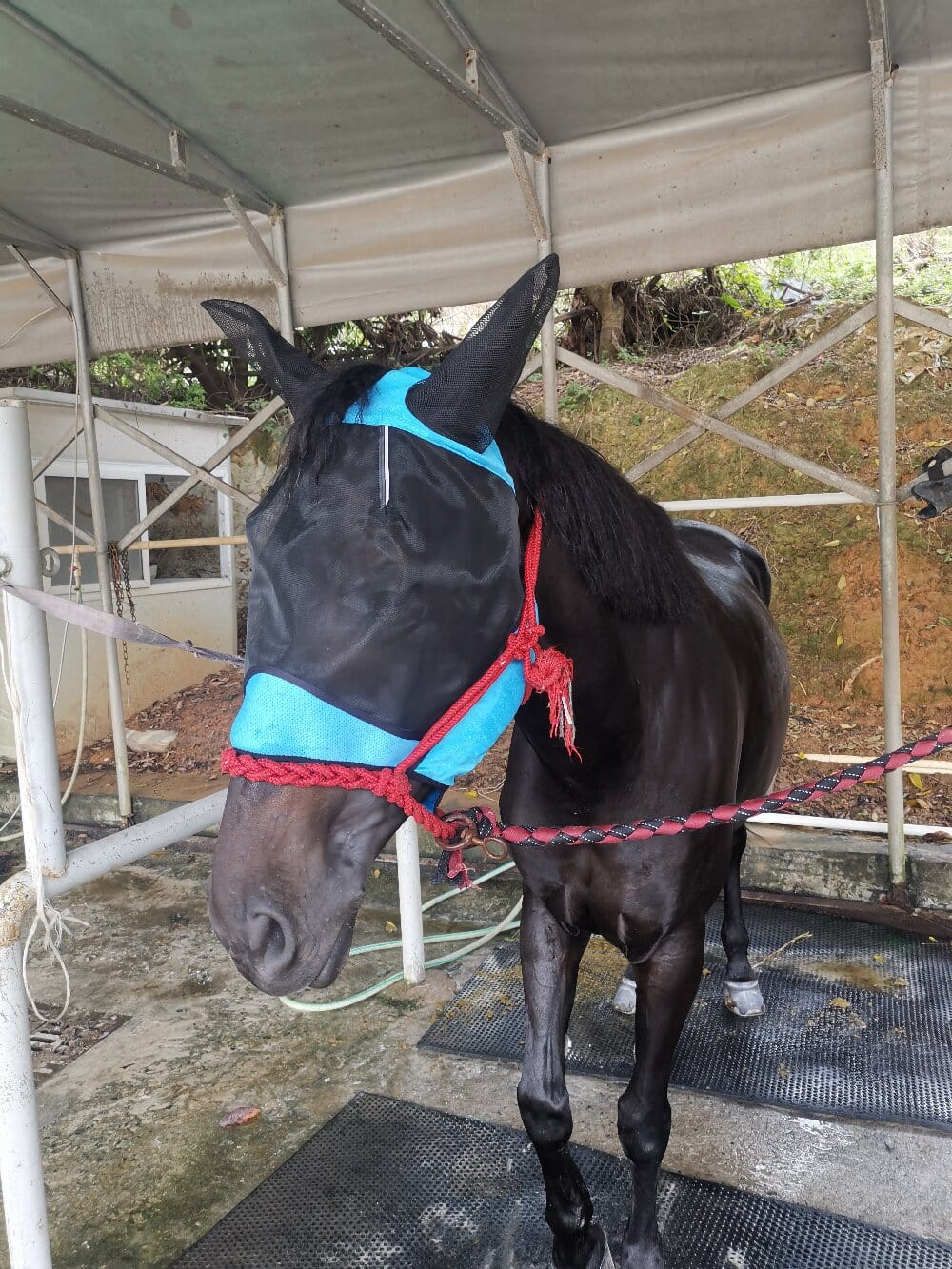
If you have ever watched a horse spend an entire summer swatting at its own face, you already know why a horse fly mask deserves a serious place in your tack room. I have tested more of these mesh face covers than I care to admit, and the differences between a cheap bargain-bin option and a thoughtfully designed fly mask are genuinely startling. A well-made horse fly mask can mean the difference between a relaxed, healthy equine partner and one that rubs its face raw against fence posts. Let me walk you through how these products actually compare, because not all mesh masks are created equal.
Most people treat fly protection as an afterthought — a mesh bag you throw on before turnout and forget about. But here is what I have learned the hard way: the wrong mask can cause more problems than it solves. Poorly fitted masks rub the eyelashes, trap heat, or slip sideways until the horse is peering through the mesh like a prisoner behind bars. A proper horse fly mask, by contrast, shields the sensitive skin around the eyes and ears from biting insects, reduces the risk of insect-borne eye irritation, and — crucially for my sensitive grey gelding — cuts down on UV exposure that can contribute to photosensitivity issues.
Comparing Materials: Mesh Density and Breathability
This is where the comparison gets interesting. Cheap masks typically use a coarse, stiff mesh that blocks flies but also blocks airflow, turning the horse’s face into a sauna on a July afternoon. Better models use finer, softer mesh with a higher weave density that still allows air to circulate. When I compared a budget mask against a mid-range option last summer, the difference in how quickly each horse began sweating underneath was obvious within twenty minutes. The finer mesh also blocks smaller gnats and midges, which matters enormously for horses prone to sweet itch.
I also look closely at the binding around the edges. Soft fleece or rolled binding prevents rubbing; raw stitched edges will chafe within days. In my experience, masks with fleece-lined edges last longer and cause fewer rub marks, even on horses that wear them daily.
Fit and Design: Where Cheap Masks Fall Apart
Fit is the great divider in this comparison. A horse fly mask needs to sit away from the eyes rather than pressing against them, and it needs adjustable straps that hold firm without pinching. I have compared masks with single velcro closures against those with double adjustable straps, and the double-strap designs consistently stay in place better during turnout and rolling.
Key features I now consider non-negotiable:
- Adjustable throat and poll straps, ideally with soft padding
- Reinforced stitching at stress points
- Ear coverage that accommodates ear movement without slipping
- A nose extension option for horses bothered by face flies
- Reflective trim for horses turned out near roads
Longer nose coverage, by the way, is one of those features people either love or dismiss — but if your horse stamps and head-shakes when face flies land on its muzzle, the extended version is transformative.
Durability, Price, and the Long-Term Verdict
Here is my honest, subjective take: the cheapest masks are a false economy. I have watched a bargain mask disintegrate at the seams after a month of pasture wear, while a slightly pricier mask with heavier mesh and reinforced binding lasted two full seasons. When you compare cost per season rather than cost per purchase, the better-built options win every time.
That said, spending the most is not automatically the smartest move. Mid-range masks from reputable equestrian brands often outperform luxury versions that trade on name recognition. Read reviews, check the mesh weight, and inspect the binding before you commit.
Final Thoughts on Choosing the Best Fly Mask
The right horse fly mask comes down to materials, fit, and durability — not marketing claims. Prioritize fine, breathable mesh, soft binding, and adjustable straps, and your horse will be far more comfortable through fly season. Compare carefully, replace worn masks before they rub, and your horse will thank you with a calm, itch-free face all summer long.