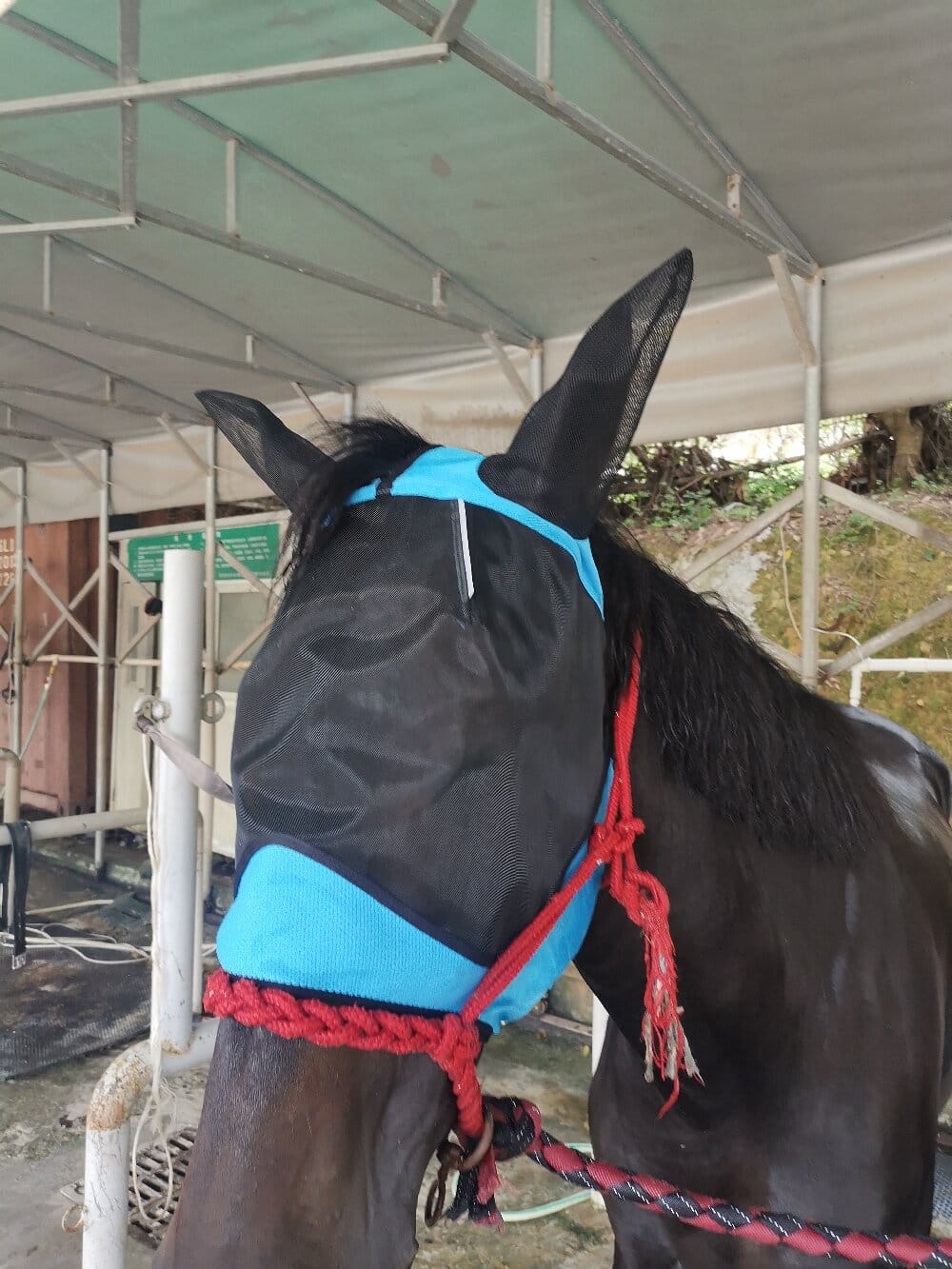
In recent seasons, the horse fly mask has evolved from a basic protective sheet into a genuinely technical piece of equestrian equipment. Manufacturers are responding to owners who want more than a barrier against insects; they want breathability, UV defense, field visibility, and a fit that stays put through rolling, grazing, and turnout. The latest trends show a market shifting toward smarter materials, better ergonomics, and designs that address welfare as much as pest control. This article examines where the category is heading and what riders and stable managers should look for when upgrading their herd’s summer wardrobe.
Design Trends Reshaping the Horse Fly Mask
The most visible shift is in construction. Traditional mesh masks relied on a single fabric weight, but current releases often combine fine no-see-um mesh across the eyes with tougher, ventilated panels over the ears and jaw. This layered approach balances airflow with durability, an important consideration for horses turned out for long hours in warm weather.
Several notable developments define the current generation:
- Ergonomic shaping around the ears and browband: Makers now use articulated ear covers and padded brow areas to reduce rubbing and prevent the mask from slipping over the eyes.
- UV-blocking fabrics: Many masks now advertise measurable UV protection, appealing to owners of grey, pink-skinned, or thin-coated horses prone to sunburn.
- High-visibility colorways: Bright binding, reflective piping, and contrasting stitching help owners spot a mask in long grass or during low-light checks.
- Forelock-friendly openings: Removable or adjustable forelock slots keep hair clear of the eyes while improving comfort.
- Fleece and smooth-edge trims: Soft binding at the nose and cheek reduces friction, a detail that matters for sensitive-skinned horses.
Materials, Fit, and Welfare Considerations
Fabric technology is the quiet revolution behind the latest products. Breathable knit meshes and moisture-wicking linings are being positioned as comfort features rather than luxury extras. Buyers are also paying closer attention to fit systems: wide hook-and-loop closures, elastic throat straps, and adjustable cheek pieces allow a more tailored fit across different head shapes, from fine Thoroughbreds to broad Welsh cobs.
Welfare is another driver. Veterinary and welfare organizations continue to stress that a mask should never restrict vision or trap heat. As a result, current bestsellers emphasize open-eye design, lightweight construction, and removable ear covers for horses that dislike ear contact. Some brands now offer sizing charts based on head measurements rather than breed alone, which improves the odds of a correct fit on the first order.
Smart Features and Seasonal Layering
Looking ahead, the category is moving toward modular systems. Detachable nose pieces, interchangeable ear covers, and masks that pair with fly sheets and neck covers are becoming common. This layering approach lets owners adapt protection to the season, the insect pressure, and the individual horse’s routine. Reflective and high-visibility options are also gaining traction with owners who ride at dawn or dusk, while quick-dry fabrics are marketed for horses that sweat heavily or live in humid climates.
Another emerging trend is the integration of the mask into broader turnout management. Rather than treating it as a standalone item, owners are matching mask mesh density to pasture conditions and combining it with fly repellents, fans, and shelter access. This holistic thinking reflects a more informed consumer base that reads labels, compares specifications, and expects transparent product information.
Practical Buying Checklist
For those updating their equipment this season, a few practical checks can prevent wasted spending:
- Measure the head accurately and compare against the manufacturer’s chart.
- Confirm the eye mesh blocks small insects without clouding vision.
- Check ear coverage options if the horse is sensitive around the poll.
- Look for soft binding at the nose and brow to reduce rub risk.
- Verify closure strength and adjustability for daily use.
- Consider UV rating and visibility features for individual needs.
Conclusion
The modern horse fly mask reflects a broader trend in equestrian care: products are becoming more technical, more comfortable, and more attuned to individual horse welfare. From UV-blocking mesh and ergonomic ear shaping to modular layering and high-visibility trims, today’s options offer better protection and fit than earlier generations. Owners who invest time in measuring correctly and matching features to their horse’s turnout routine will find a mask that stays comfortable, stays in place, and genuinely improves summer comfort.