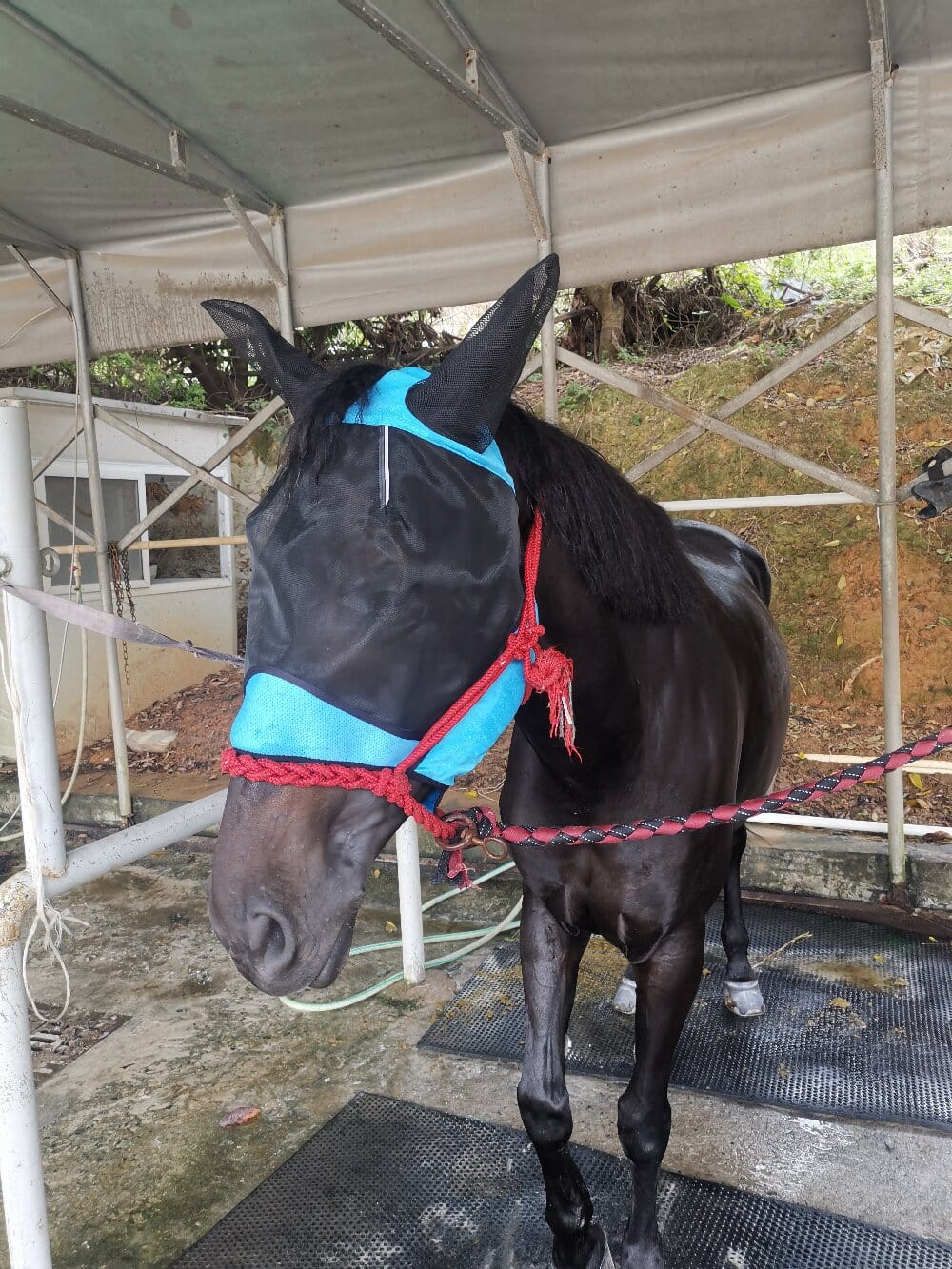
Equine health specialists consistently identify the horse fly mask as one of the most practical and cost-effective tools in everyday equine management. Designed to shield the sensitive areas of a horse’s face from biting insects, these lightweight covers have moved from niche accessory to essential tack for owners who want to protect their animals without relying solely on chemical repellents. Veterinary ophthalmologists and equine behaviorists alike note that consistent use of a well-fitted fly mask can reduce ocular irritation, lower stress behaviors, and support overall welfare during peak insect season.
From a clinical standpoint, the primary value of a horse fly mask lies in barrier protection. Flies, gnats, and midges are not merely a nuisance; they are vectors for conjunctivitis, habronemiasis, and summer sores, and their persistent buzzing can trigger head-shaking, stomping, and pacing. According to equine practitioners, physical barriers reduce reliance on topical insecticides, which can lose efficacy through sweat and rain. Experts also point to behavioral benefits: horses that cannot see or feel insects landing near their eyes tend to remain calmer in the pasture, which supports healthier grazing patterns and better weight maintenance during the summer months.
Key Features to Evaluate Before Buying
Not all face covers are created equal, and specialists advise owners to examine construction details closely. A quality horse fly mask should balance durability with comfort, and the following criteria typically separate reliable products from disposable ones:
- Mesh density: Fine mesh blocks tiny midges and gnats, while slightly coarser mesh improves airflow for horses working in warm climates.
- Fit and adjustment: Fleece-lined edges, adjustable throat straps, and elasticized crown sections prevent rubbing and keep the mask in place during turnout.
- Eye clearance: The mask should stand away from the eyes rather than press against them, reducing the risk of corneal abrasion.
- UV protection: Many models now offer ultraviolet-blocking fabric, which is beneficial for horses with pink skin or photosensitivity.
- Ear and muzzle options: Removable ear covers and nose extensions add versatility for owners managing seasonal insect pressure.
Fitting and Daily Management
Proper fit is the single most important factor in whether a horse fly mask performs as intended. Experts recommend checking the fit daily, particularly during the first week of use, to catch any signs of rubbing along the forehead, cheekbones, or poll. A mask that is too loose can shift over the eyes or be pulled off by pasture mates, while one that is too tight can cause pressure sores and hair loss. Owners should also establish a cleaning routine: rinsing the mask weekly with mild soap removes sweat, dirt, and insect residue, and inspecting straps and seams for wear prevents unexpected failures. Removing the mask at night in humid conditions allows the skin to dry and reduces the risk of fungal irritation. For horses with known eye conditions, consulting a veterinarian before introducing any face covering is a sensible precaution.
Practical Benefits for Owners and Horses Alike
Beyond welfare considerations, the economic case for a horse fly mask is straightforward. Reduced insect exposure often means fewer veterinary visits, lower spending on topical treatments, and less time spent applying repellents before turnout. Stable managers report that horses wearing masks during group turnout show fewer aggressive reactions to flies, which can lower the risk of injury from head tossing or fence contact. The masks are also lightweight enough for trailering and turnout in most weather, making them a versatile addition to the grooming kit.
Conclusion
Equine professionals agree that a properly fitted horse fly mask delivers measurable protection against insects, supports eye health, and contributes to calmer, more comfortable horses during the warmer months. Prioritizing mesh quality, secure adjustment, and daily inspection will help owners get the most from this simple but highly effective piece of protective equipment.