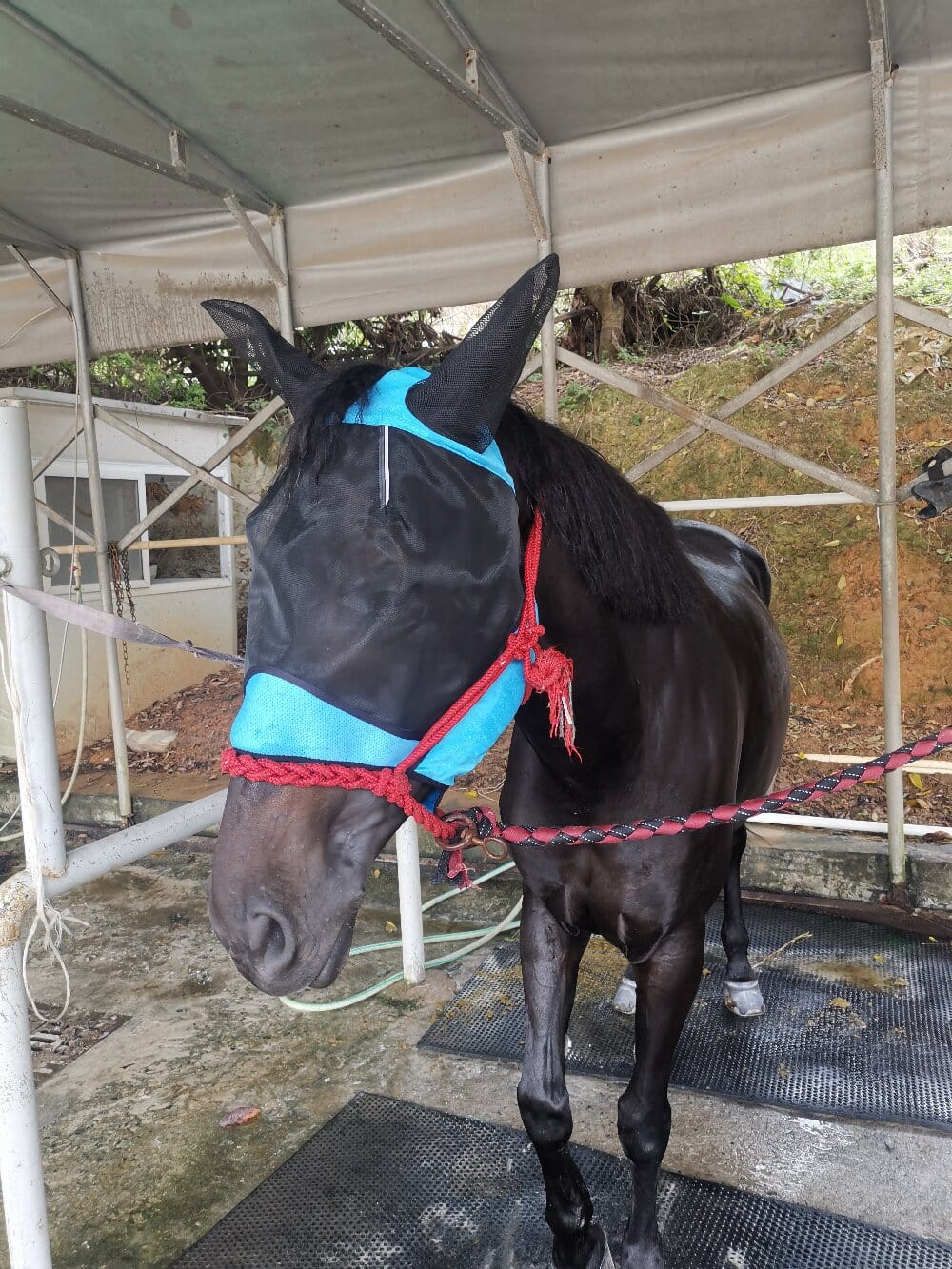
In my years covering equestrian product trends, few categories have evolved as dramatically as the humble horse fly mask. What was once a flimsy mesh hood has become a sophisticated piece of protective gear, and if you are still relying on a bargain-bin fly sheet accessory, you are probably losing the battle against insects every summer. The market has shifted decisively toward engineered fabrics, anatomical fit, and UV protection, and the industry insiders I speak with all say the same thing: riders now expect fly masks to perform like technical sportswear, not like disposable netting.
What the Horse Fly Mask Market Reveals About Rider Priorities
From a manufacturing standpoint, the fly mask category tells a fascinating story about changing consumer behavior. Suppliers report that demand has moved sharply toward masks with reinforced binding, double-locking closures, and breathable mesh that blocks fine gnats without trapping heat. The days of one-size-fits-all are fading fast. Brands are now producing separate cuts for cob, full, and draft heads, plus specialized designs for long-eared breeds and for horses with sensitive skin around the eyes.
Three forces are driving this shift:
- Insect pressure: Warmer, wetter seasons are extending fly activity, pushing owners to seek full-season protection rather than occasional use.
- Welfare awareness: Buyers increasingly understand that eye irritation and head-shaking are welfare issues, not mere nuisances.
- Fabric innovation: UV-blocking weaves and soft binding materials have raised the performance bar across every price tier.
Design Features That Separate Premium Masks From Pretenders
When I evaluate a fly mask for a horse, I look at construction details the marketing copy rarely mentions. Stitching quality matters more than color. A well-made mask uses flatlock seams that sit away from the face, fleece or rolled binding at the edges, and mesh fine enough to exclude midges yet open enough for airflow. Ear coverage is another dividing line: some horses tolerate ear pockets well, while others rub them raw within a week, so removable or earless options remain essential inventory.
Fit is the silent variable. A mask that gaps at the throat latch invites debris and insects; one that clings too tightly creates pressure points along the cheekbones and brow. Adjustable straps with quick-release buckles have become standard because they balance security with safety, allowing a mask to detach if a horse catches it on fencing. The best models also accommodate a forelock opening, which reduces rubbing and keeps the mask seated correctly during turnout.
Materials, UV Protection, and the Question of Durability
Fabric technology deserves its own spotlight. Modern mesh blends typically combine polyester or nylon with UV stabilizers, delivering sun protection factors that shield pink-skinned areas from photosensitivity reactions. I have watched this feature move from luxury extra to baseline expectation. At the same time, durability testing has become more rigorous, with manufacturers subjecting mesh to abrasion and wash cycles to verify that elasticity and shape hold up across a full season.
Buyers should also consider visibility. A fine, dark mesh offers clearer sight lines than dense white netting in bright light, an insight shared by several equine optometry specialists. Pair that with lightweight construction and you have a mask a horse is far less likely to remove on its own.
Practical Buying Guidance for Retailers and Owners
Stocking or selecting the right fly mask comes down to matching design to environment. Pasture turnout calls for maximum coverage and secure closures; ridden work may favor streamlined masks that fit beneath a bridle. Rotating two masks per horse extends lifespan and ensures one is always clean and dry. Inspect seams and straps weekly, and replace any mask with frayed binding before it becomes a rubbing hazard.
Final Takeaway
The fly mask has quietly matured into a performance product judged on fit, fabric, and welfare outcomes. Whether you are a retailer curating a seasonal range or an owner protecting a sensitive-skinned horse, investing in properly engineered protection pays dividends in comfort, durability, and peace of mind through the toughest insect months.