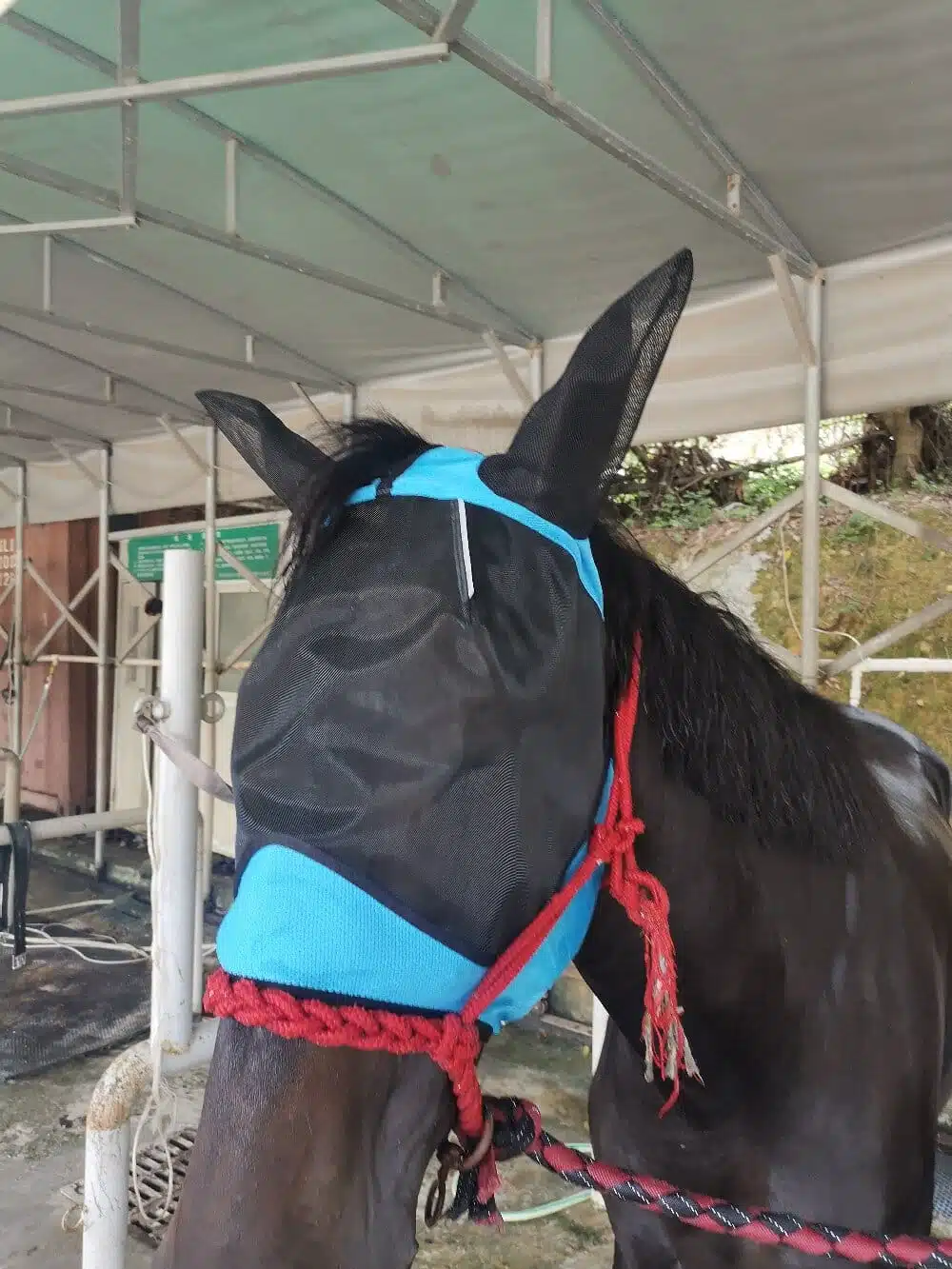

From the sun-baked pastures of ancient Persia to the modern equestrian arena, the horse fly mask has evolved from a crude woven fringe into a sophisticated piece of protective gear. Understanding this evolution offers riders, veterinarians, and historians a unique lens through which to view the enduring relationship between humans and horses. The story of fly protection is, at its heart, a story of care—a centuries-long quest to shield equine companions from the relentless nuisance of biting insects, and the diseases they carry.
Historical records suggest that fly deterrents for horses date back thousands of years. Egyptian tomb paintings depict horses adorned with fringed headgear, likely designed to swat away flies during long desert journeys. Similarly, Roman cavalry accounts describe leather and fabric coverings draped over horses’ faces during summer campaigns. These early prototypes were less about fine mesh and more about physical barriers—thick strips of cloth that swung with the animal’s movement to disturb landing insects. While rudimentary, they established a principle that remains central today: the value of a barrier between a horse’s sensitive eyes and ears and the biting flies that plague them.
The Horse Fly Mask Through the Centuries
As equestrian culture spread across Europe and Asia, so did innovations in tack and protective equipment. Medieval knights sometimes fitted their warhorses with padded face coverings, though these served as much for armor as for insect protection. By the 18th and 19th centuries, working farm horses in Britain and North America were commonly seen wearing simple mesh veils during harvest season. These were often homemade, stitched from coarse netting and secured with leather straps. The Industrial Revolution brought finer textiles, and by the early 20th century, commercially produced fly veils began appearing in equestrian catalogues—marking the first time the horse fly mask became a standardized product rather than a makeshift remedy.
Material Revolutions and Modern Design
The mid-20th century witnessed a transformation in materials science that directly benefited equine protection. Nylon and polyester meshes replaced heavy cotton netting, offering durability, breathability, and visibility. The introduction of elasticized edges and adjustable touch-tape closures in the 1970s and 1980s made the horse fly mask easier to fit and more comfortable for the animal. Veterinary research also began to underscore the mask’s role in preventing conditions like conjunctivitis, corneal ulcers, and insect-borne infections such as equine infectious anemia. Designers responded with features we now take for granted: ear covers, nose fringes, UV-blocking fabrics, and ergonomic cuts that accommodate the horse’s field of vision.
Why the Horse Fly Mask Matters Today
Contemporary equine care recognizes the fly mask as an essential seasonal tool rather than a luxury item. Key benefits include:
- Protection against face flies, stable flies, and mosquitoes that target the eyes and ears.
- Reduction of eye irritation and risk of infection in sensitive horses.
- UV protection for horses with pink skin or photosensitivity issues.
- Decreased stress and head-shaking behavior during peak insect season.
Modern masks are engineered with breathable mesh, reinforced stitching, and fleece padding at pressure points—demonstrating how far the design has come from its ancient predecessors.
Conclusion: A Legacy of Care
Viewed through a historical lens, the horse fly mask is far more than a simple piece of tack. It represents millennia of accumulated knowledge about equine welfare, materials, and insect behavior. From desert fringes to precision-engineered mesh, each iteration reflects a growing understanding of what horses need to thrive. For today’s rider, choosing a quality fly mask is both a practical decision and a nod to a long tradition of thoughtful stewardship—one that continues to evolve with every new season.