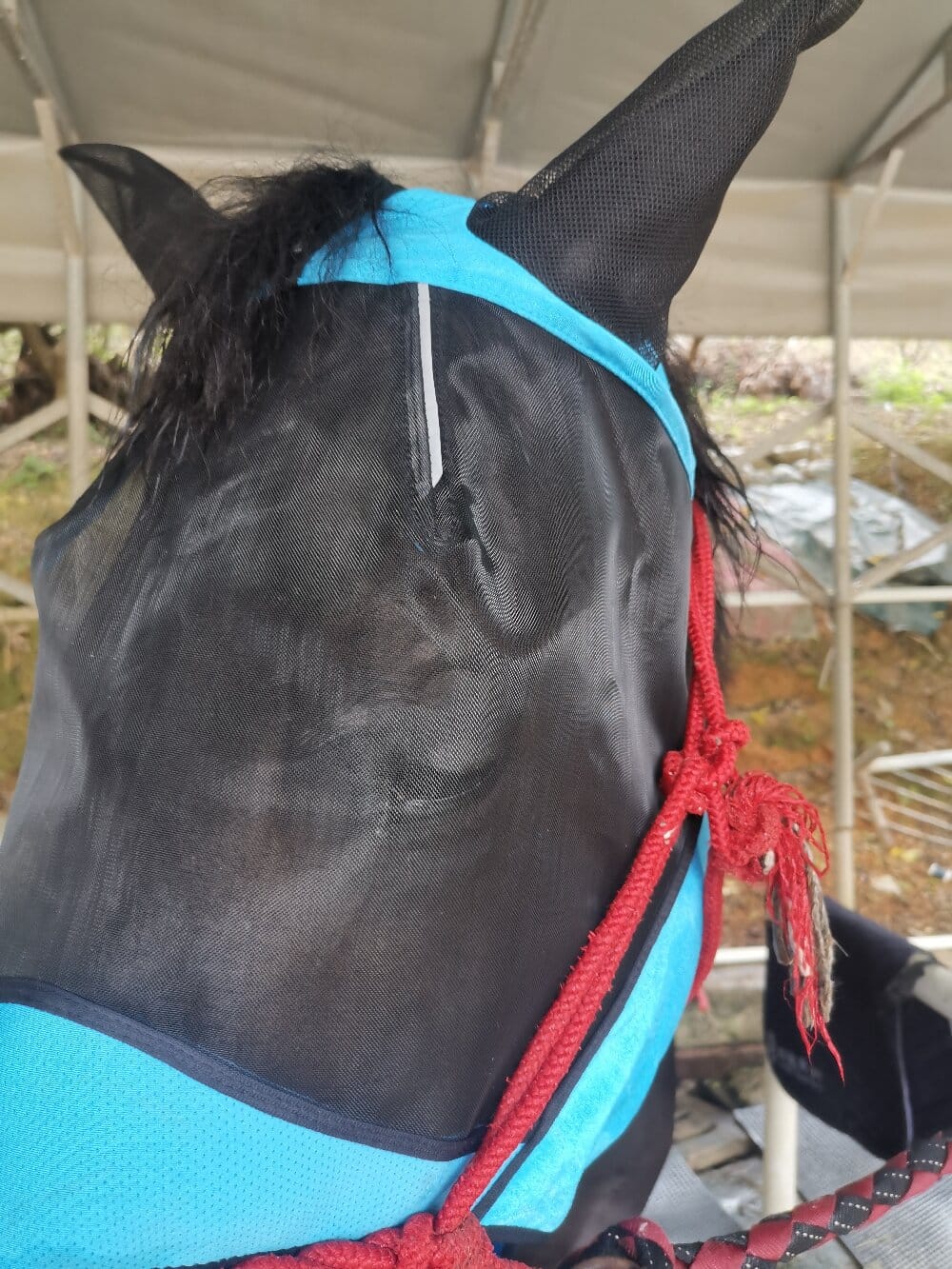
For centuries, equestrians have recognized that a horse fly mask is more than a simple piece of tack; it is a vital tool for safeguarding equine health. Historical records from ancient Egypt and Rome describe rudimentary face coverings made from woven reeds and leather, designed to shield working horses from biting insects during long journeys and agricultural labor. These early prototypes, while crude by modern standards, established a principle that persists today: protecting a horse’s sensitive eyes, ears, and muzzle from flying pests is essential to its comfort and performance.
From Battlefield to Barn: The Evolution of the Horse Fly Mask
During the Middle Ages, cavalry units across Europe and the Middle East refined face protection for warhorses. Knights and mounted archers often fitted their steeds with padded leather chamfrons—armor pieces that doubled as barriers against flies in camp. By the 18th century, stable managers in England began sewing mesh veils from horsehair and linen, creating the first recognizable ancestors of the modern horse fly mask. These early masks were heavy and limited vision, but they demonstrated a growing understanding of insect-borne irritation and disease.
The Industrial Revolution brought mass-produced textiles, and by the late 19th century, lightweight cotton nets appeared in equestrian catalogs. Veterinary journals from the 1890s note that a well-fitted fly veil reduced eye infections and head shaking in carriage horses. This period marked a shift from armor-like protection to breathable, functional design—a transition that laid the groundwork for twentieth-century innovations.
The Modern Horse Fly Mask: Materials, Design, and Function
The mid-20th century introduced synthetic fibers such as nylon and polyester, allowing manufacturers to create durable, lightweight mesh that blocked tiny biting midges while permitting airflow. By the 1980s, UV-resistant fabrics became standard, and the horse fly mask evolved into a multi-purpose deterrent against sunburn, cataracts, and insect-borne diseases like pigeon fever. Contemporary designs feature fleece-lined edges to prevent rubbing, ear covers for added defense, and adjustable straps for a secure fit.
Today’s equine fly mask also incorporates reflective piping for visibility and long-nose styles for draft breeds. According to equine welfare studies, consistent use of a well-ventilated face mask reduces stress behaviors such as head tossing and stomping by up to 70 percent during peak fly season. The historical trajectory—from reeds to performance mesh—reflects a continuous refinement driven by both practicality and animal welfare.
Historical Lessons for Contemporary Equine Care
Looking back, the story of the horse fly mask reveals a consistent human commitment to mitigating environmental irritants for working and companion animals. Each era’s design—ancient woven reeds, medieval leather chamfrons, Victorian cotton nets, and modern UV mesh—addressed the same fundamental needs: vision, breathability, and durable protection. Modern equestrians can draw a clear lesson from this history: selecting a mask based on fit, fabric breathability, and seasonal insect pressure is not a new concern but an inherited best practice.
- Ancient cultures used plant fibers and leather for basic face coverings.
- Medieval cavalry pioneered padded armor that doubled as fly protection.
- Victorian stables adopted lightweight cotton nets for daily use.
- Twentieth-century synthetics enabled UV-blocking, breathable mesh.
Conclusion: A Legacy of Protection
From the dusty stables of antiquity to today’s technologically advanced equestrian centers, the horse fly mask has persisted as a quiet but essential artifact of animal husbandry. Its history demonstrates that effective equine care often emerges from simple, iterative solutions. Understanding this legacy helps modern riders and veterinarians appreciate why a properly fitted fly mask remains a cornerstone of preventive health—protecting eyes, ears, and skin while honoring centuries of practical wisdom.