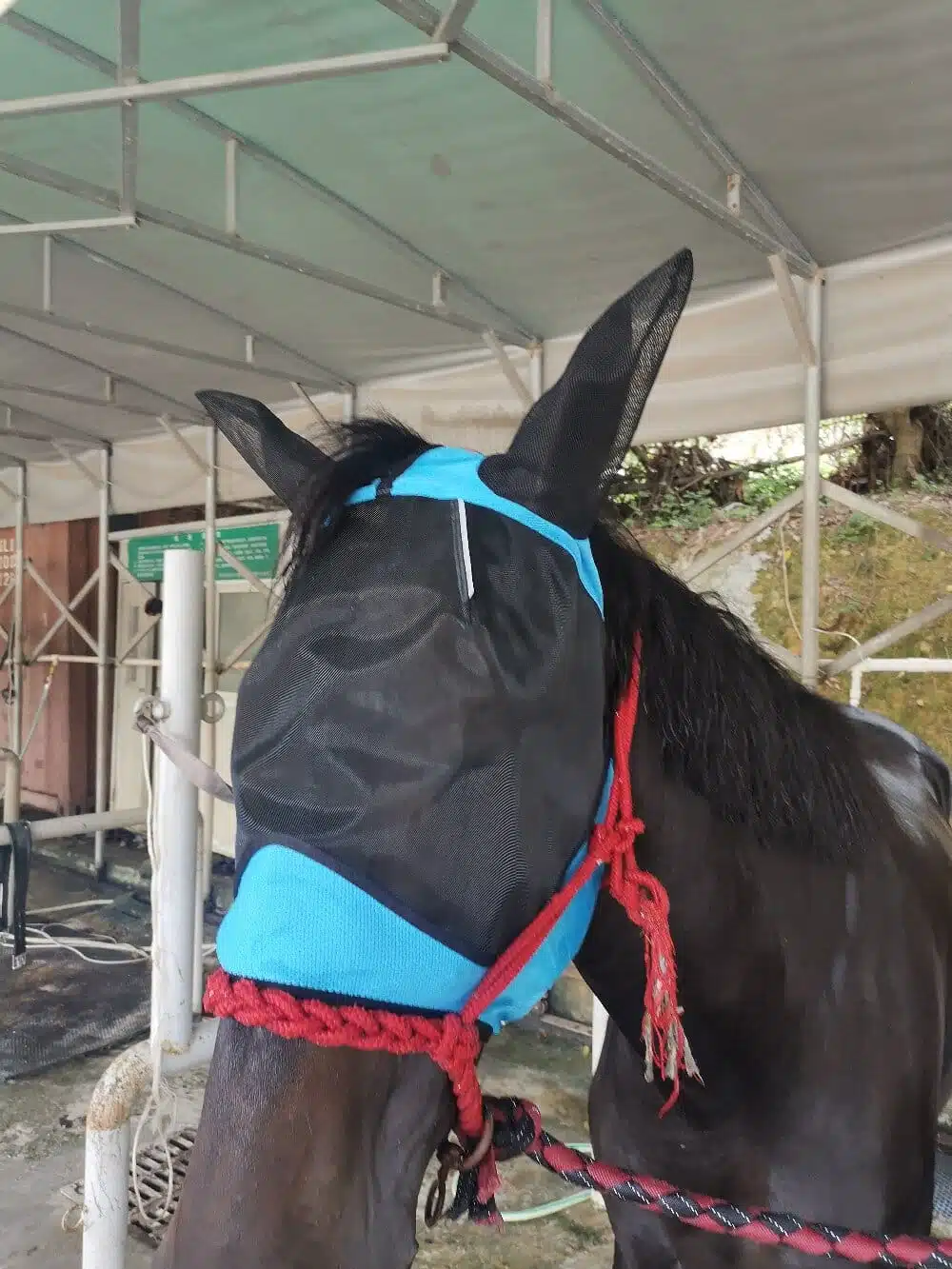

As equine care continues to evolve, the horse fly mask is poised to become far more than a simple mesh barrier. Future predictions suggest that within the next decade, these essential pieces of tack will transform into intelligent, data-driven devices that monitor equine health while offering superior protection against flying insects. Manufacturers and researchers are already exploring ways to integrate smart fabrics, sensors, and sustainable materials into designs that today seem purely functional.
Smart Fabrics and the Next Generation of Horse Fly Mask Design
One of the most anticipated developments is the emergence of adaptive textiles. Future horse fly mask models are expected to feature breathable, self-cooling fabrics that regulate temperature during hot summer months. These materials may incorporate phase-change technology, automatically adjusting airflow based on the animal’s body heat. Additionally, UV-reflective weaves could provide enhanced sun protection while remaining lightweight and durable.
Researchers predict that built-in insect repellent microcapsules will release gradually over time, reducing the need for topical sprays. This slow-release approach would offer continuous defense against biting flies, mosquitoes, and gnats without constant reapplication.
Sensor Integration and Health Monitoring Capabilities
The next frontier involves embedding tiny biometric sensors into the fly mask’s fabric. These sensors could track ear temperature, heart rate, and head movement, providing early warnings of stress, illness, or irritation. Data would sync wirelessly to a smartphone app, allowing owners and veterinarians to monitor equine wellbeing in real time. Such integration would turn a protective accessory into a valuable diagnostic tool, particularly for horses prone to insect-bite hypersensitivity.
Future iterations may also include GPS tracking for pasture turnout, helping owners locate horses quickly while ensuring the mask remains securely in place.
Sustainability and Custom Fit in Future Horse Fly Mask Production
Environmental concerns will shape tomorrow’s equine fly protection. Predictions indicate a shift toward biodegradable polymers, recycled mesh fibers, and plant-based dyes. Brands will likely adopt circular production models, offering repair services and take-back programs to reduce waste.
Customization is another expected trend. Three-dimensional scanning could allow owners to order masks tailored precisely to their horse’s head shape, eliminating pressure points and improving comfort. Adjustable strap systems may use memory alloys that maintain a secure fit without pinching.
Enhanced Vision and Behavioral Benefits
Future designs may address sensory comfort more thoughtfully. Tinted or polarized mesh inserts could reduce glare and insect visibility, calming anxious horses. Studies suggest that refined eye openings and ear coverage will minimize startling shadows, improving acceptance rates among sensitive animals. Some concepts even propose modular attachments—removable nose fringes and ear bonnets—that adapt to changing fly seasons.
Market Outlook and Practical Considerations
Industry analysts forecast steady growth in the equine fly mask sector, driven by rising awareness of insect-borne diseases such as equine infectious anemia and summer eczema. However, challenges remain:
- Battery life and durability of electronic components in outdoor conditions
- Cost accessibility for recreational horse owners
- Standardized safety testing for smart textiles
- Compatibility with existing tack and turnout gear
Manufacturers will need to balance innovation with affordability to ensure widespread adoption.
Conclusion
The future of fly protection for horses looks remarkably sophisticated. From self-cooling fabrics and repellent microcapsules to biometric sensors and sustainable production, the horse fly mask will evolve into a multifunctional health and comfort tool. Owners can anticipate products that not only shield their animals from pests but also contribute to proactive wellness monitoring and environmental responsibility.