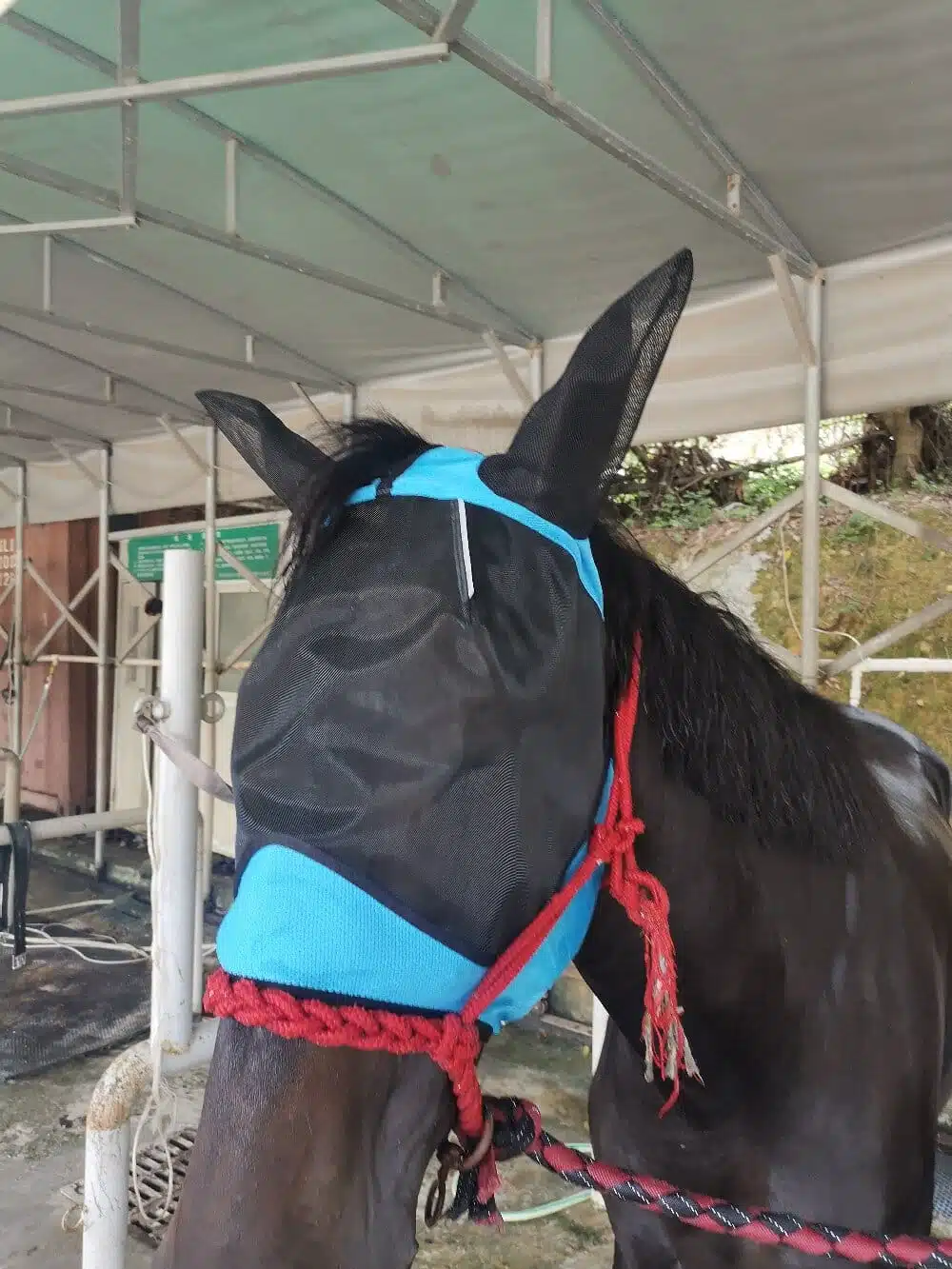

In the equestrian industry, we have watched the humble horse fly mask evolve from a flimsy seasonal afterthought into a genuinely sophisticated piece of protective gear. Walk through any serious barn today and you will notice that the horse fly mask is no longer treated as a cheap accessory tossed in with a fly sheet order. It is now a performance item, engineered with UV-blocking fabrics, reinforced binding, fleece browbands, and ergonomic ear cutouts. As someone who has spent years tracking equine product trends, I can say without hesitation that this shift reflects a broader change in how owners think about comfort, welfare, and long-term eye health during fly season.
What Industry Data Tells Us About Horse Fly Mask Demand
From a market perspective, the numbers are quietly impressive. Fly control products as a category have shown steady year-over-year growth, and within that segment, face protection is one of the fastest-moving subcategories. Retailers report that customers now ask specific questions: Does it block UV rays? Will it rub the cheekbones? Can it stay on during turnout in windy conditions? That level of scrutiny did not exist five years ago. Manufacturers have responded accordingly, and we are seeing tighter mesh counts, softer binding materials, and adjustable touch-and-close straps that actually hold up through repeated washing.
What interests me most is the parallel rise in veterinary guidance. Equine ophthalmologists have become more vocal about protecting horses from squinting, dust irritation, and sun exposure, particularly in light-colored horses and those with pink skin around the eyes. A well-fitted fly mask for horses is now often recommended as a preventive measure rather than a reactive one. That endorsement from the professional community has given the category real credibility with buyers.
Fit and Fabric: Where Cheap Masks Fail
Here is my honest take: the biggest failure point in this category is not design, it is fit. A mask that gaps at the jaw lets in every biting insect it was meant to stop, while one that sits too tight creates rub marks that owners discover far too late. Industry insiders consistently point to three features that separate quality products from budget options:
- Fleece or soft binding along the browband and nose to reduce friction
- Correct placement of ear openings, since poorly aligned holes cause irritation and slipping
- UV-resistant mesh with a fine weave that still allows airflow and visibility
I would also argue that sizing charts deserve more attention than they get. A cob-sized mask on a warmblood is a recipe for returns and frustrated customers. Reputable brands are now offering clearer measurements and even photo guides, which has measurably reduced complaint rates.
Ear Covers, Nose Extensions, and the Customization Trend
The other trend worth watching is modularity. Detachable nose pieces, optional ear covers, and zipper-free designs are becoming standard because they let owners tailor protection to conditions. In high-biting-pressure regions, full-face coverage dominates, while in milder climates, buyers prefer lighter earless versions. This customization is good for horses and good for margins, since accessory add-ons drive repeat purchases. From an industry standpoint, the fly mask has become a platform product rather than a single SKU.
Final Thoughts on Purchasing Strategy
To summarize, the horse fly mask has earned its place as essential turnout equipment, backed by veterinary input, improved materials, and growing consumer demand. Buyers should prioritize fit, binding quality, and UV protection over price alone, and retailers should invest in accurate sizing information and educational content. Doing so protects equine eye health, reduces returns, and builds trust with a customer base that is increasingly knowledgeable and discerning.