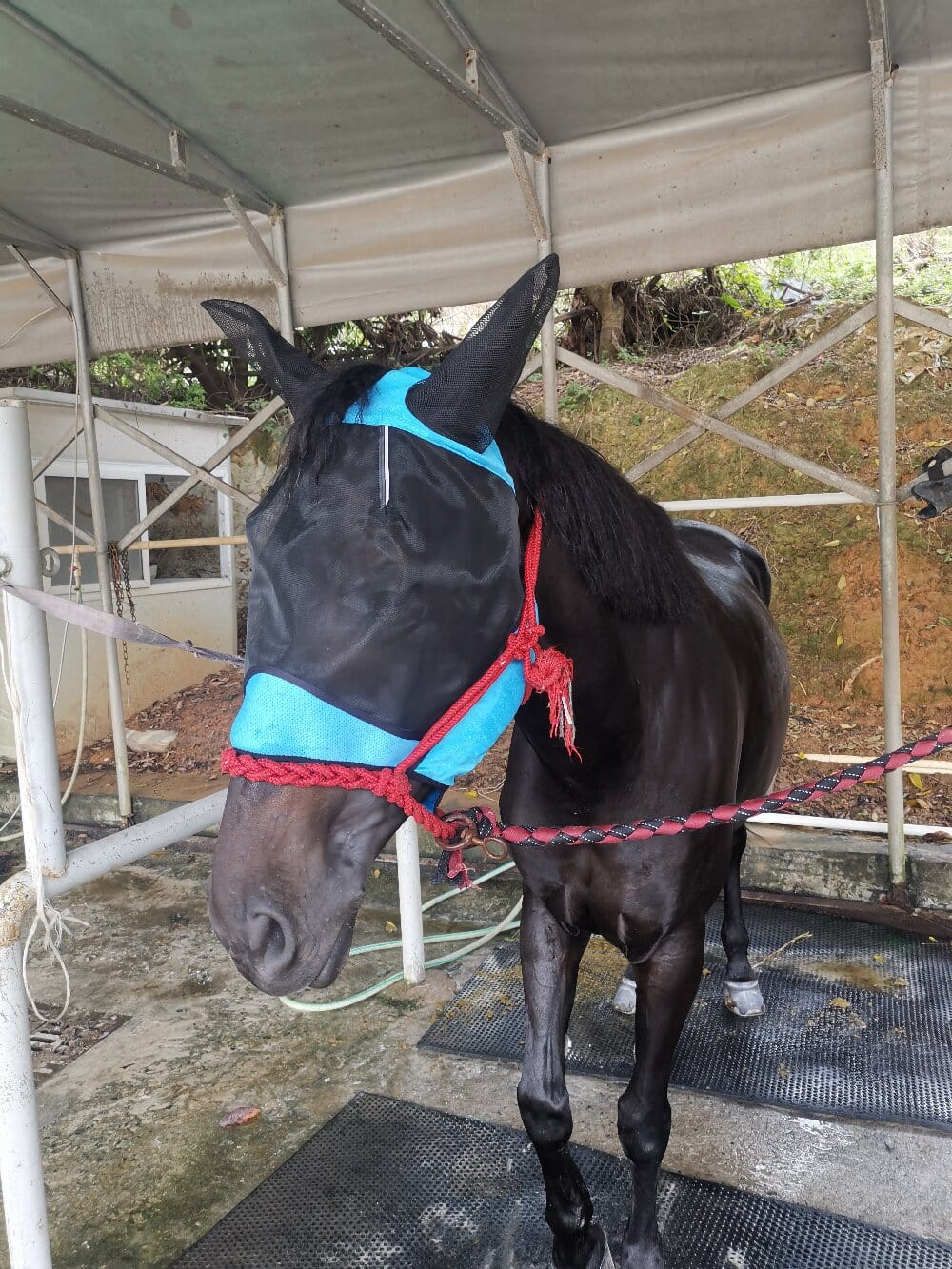
If you were a horse owner centuries ago, you would have quickly learned that flies were more than a nuisance—they were a genuine threat to your animal’s health and performance. The horse fly mask, in its earliest and crudest forms, emerged from this timeless struggle. Historical accounts from ancient Egypt and Rome describe rudimentary face coverings made from woven reeds, leather strips, and linen cloth, designed to keep biting insects away from the eyes and muzzle. You would have seen these simple devices as essential equipment, especially in humid climates where flies thrived. These early masks were heavy, often abrasive, and offered limited visibility, but they represented a crucial first step in equine protective gear.
From Battlefield to Barn: The Horse Fly Mask Through the Centuries
During the Middle Ages, you would notice that knights and cavalrymen paid close attention to protecting their warhorses’ faces. Metal chamfrons and leather face plates served dual purposes: deflecting weapons and, incidentally, blocking flying insects. However, these were armor, not dedicated fly masks. The true evolution of the horse fly mask as a standalone item began in the 18th and 19th centuries, when stable managers in Europe and North America started experimenting with mesh veils. You would have seen crude versions made from horsehair and cotton gauze, tied behind the ears with twine. These designs reduced fly strikes but fogged up quickly and tore easily, requiring frequent replacement.
Materials That Changed Everything: The Horse Fly Mask in the Modern Era
If you fast-forward to the mid-20th century, you would witness a quiet revolution. The introduction of synthetic polymers—nylon, polyester, and later UV-resistant meshes—transformed the horse fly mask from a temporary nuisance-reducer into a durable, breathable shield. You would find that manufacturers began designing masks with fleece-lined edges to prevent rubbing, adjustable straps for a secure fit, and ear covers for extra protection. Veterinary research in the 1980s and 1990s confirmed what horsemen had long suspected: consistent use of a well-fitted fly mask reduced eye infections, head-shaking syndrome, and stress-related weight loss. By the 2000s, you could choose from hundreds of styles, including those with nose extensions, reflective trim, and even cooling gel inserts.
Why History Still Matters When You Choose a Horse Fly Mask
Understanding this historical arc helps you make smarter choices today. You should look for key features that evolved through trial and error:
- Breathable mesh – descended from early gauze experiments, now engineered to block tiny biting midges while allowing airflow.
- Ergonomic fit – the result of centuries of fitting refinements, ensuring the mask stays put without pressing on eyelashes.
- UV protection – a modern addition, but rooted in the same principle of shielding sensitive skin from environmental harm.
- Durable stitching – a lesson learned from 19th-century failures when inferior thread disintegrated after one wash.
You will also notice that historical designs prioritized simplicity. That remains true: a good horse fly mask should be easy to put on, easy to clean, and comfortable enough that your horse forgets it is wearing one.
Conclusion: A Small Item with a Long Legacy
The horse fly mask you use today is the product of thousands of years of observation, failure, and refinement. From woven reeds to high-tech polymers, each iteration solved a real problem you would have faced in the stable or pasture. By recognizing this history, you can appreciate why investing in a quality mask is not just a modern convenience—it is a continuation of a practical tradition that prioritizes your horse’s comfort and health. Choose wisely, and you will honor that legacy while keeping flies firmly at bay.