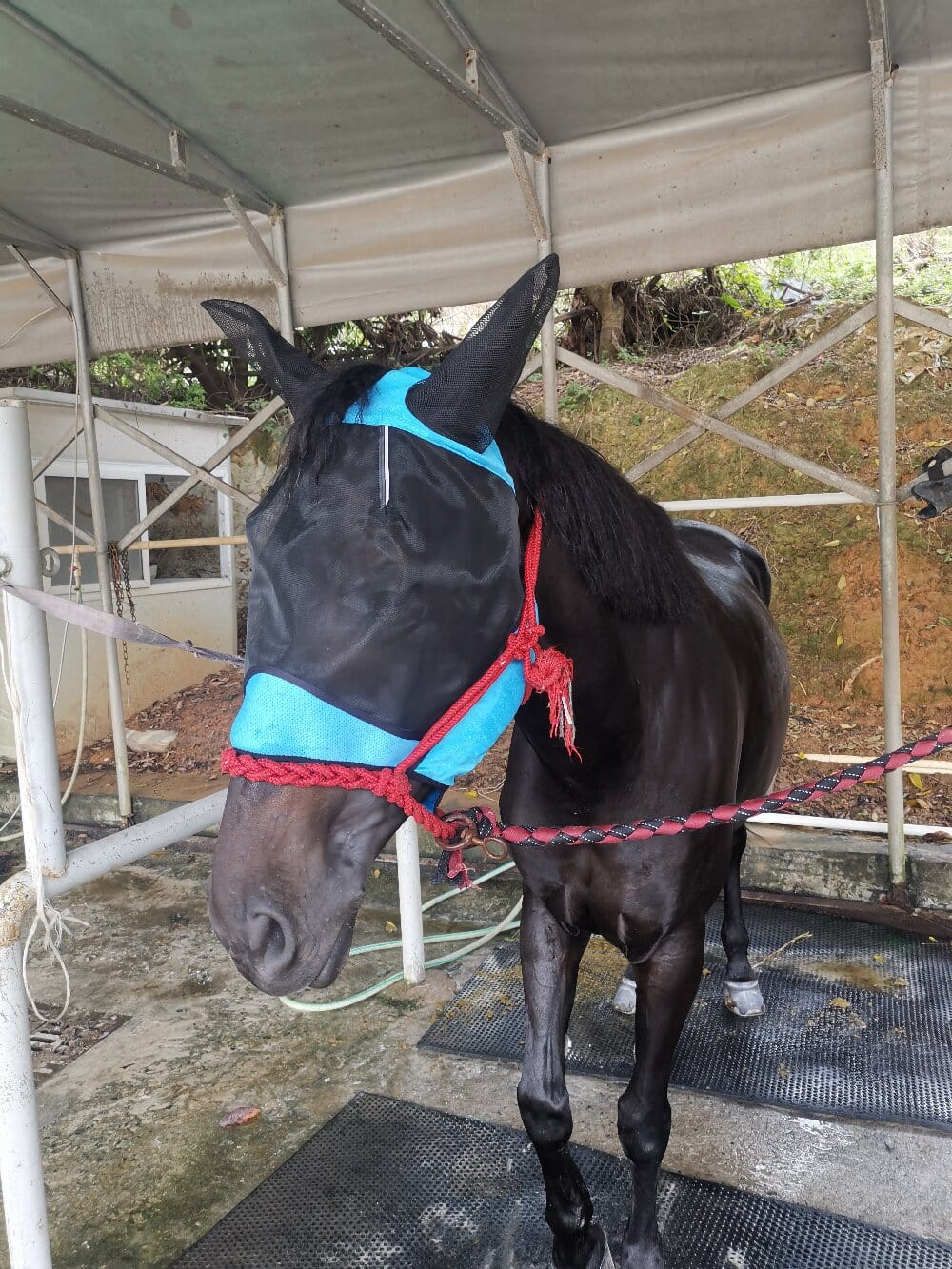
When the summer heat and biting insects arrive, every horse owner faces the same frustrating battle, and after testing dozens of options I can honestly say the humble horse fly mask has become one of the most essential pieces of tack in my barn. What looks like a simple piece of mesh is actually a highly specialized tool, and the differences between cheap bargain-bin versions and premium designs are far greater than most riders expect. Over the past few seasons I have compared materials, fit, durability, and visibility across a wide range of styles, and the results have completely changed how I shop for fly protection.
My first comparison was purely financial: I bought a budget mask and a mid-range mask on the same day and tracked how each held up. The cheap version lost its shape within two weeks, the binding frayed, and the mesh stretched until it sagged into my gelding’s eyes. The better-built mask, by contrast, kept its structure through an entire season of turnout. This taught me that the real cost of a horse fly mask is not the price tag but the number of replacements you buy between May and September. Durable mesh, reinforced stitching, and soft fleece edging are not luxuries; they are the features that determine whether a mask survives daily wear or falls apart under pressure.
Comparing Fit and Comfort Across Fly Mask Styles
Fit is where the comparison gets genuinely interesting, because a mask that fits one horse beautifully can rub another horse raw. I compared standard pull-on masks, adjustable Velcro designs, and ergonomic styles with ear and nose coverage, and the differences were striking:
- Pull-on masks: Affordable and quick, but sizing must be precise or the mask will twist and slip.
- Adjustable Velcro styles: Far more forgiving across different head shapes and easy to fine-tune around the jaw and poll.
- Full-coverage designs with ears and nose: Excellent for horses plagued by midges, though I found they can trap heat in extreme temperatures.
- Ergonomic shell designs: These keep mesh away from the eyes and eyelashes, which dramatically reduces rubbing on sensitive horses.
In my experience, the adjustable and ergonomic options consistently outperformed simple pull-ons, especially for horses with wide foreheads or delicate skin around the eyes.
Materials, Visibility, and UV Protection Compared
Not all mesh is created equal, and this became obvious when I held different masks up to the light. Fine, dense mesh blocks more tiny insects and offers better UV protection, but it can reduce airflow and visibility. Coarser mesh lets in more air but allows gnats through. I ultimately favored masks with fine mesh over the eyes and slightly more open mesh over the ears, a hybrid approach that balances protection with comfort. Color also matters more than I expected: lighter mesh reflects heat better, while darker mesh can absorb it. For horses with pink skin or thin coats, I now prioritize UV-blocking fabrics, since sunburn on the muzzle and face is a real welfare issue.
Longevity, Maintenance, and Real-World Durability
Durability comparisons separated the contenders from the pretenders. Masks that survived multiple washes without losing shape or elasticity earned my loyalty, while those that shrank or frayed after one gentle cycle were retired immediately. I learned to check binding seams, fastener quality, and mesh integrity before buying, and to keep a spare on hand during peak fly season. A well-made mask, washed weekly in cool water and air-dried, can last several seasons, making it far more economical than repeatedly replacing cheap alternatives.
Final Verdict on Choosing the Right Fly Mask
After seasons of side-by-side testing, my conclusion is simple: invest in fit, materials, and construction rather than the lowest price. The best horse fly mask is the one that stays in place, keeps insects out, protects against UV rays, and never rubs—and in my comparisons, those qualities consistently came from adjustable, ergonomically shaped designs with fine eye mesh and reinforced stitching. Choose carefully, measure your horse’s head, and you will spend far less time and money fighting flies and far more time enjoying your ride.