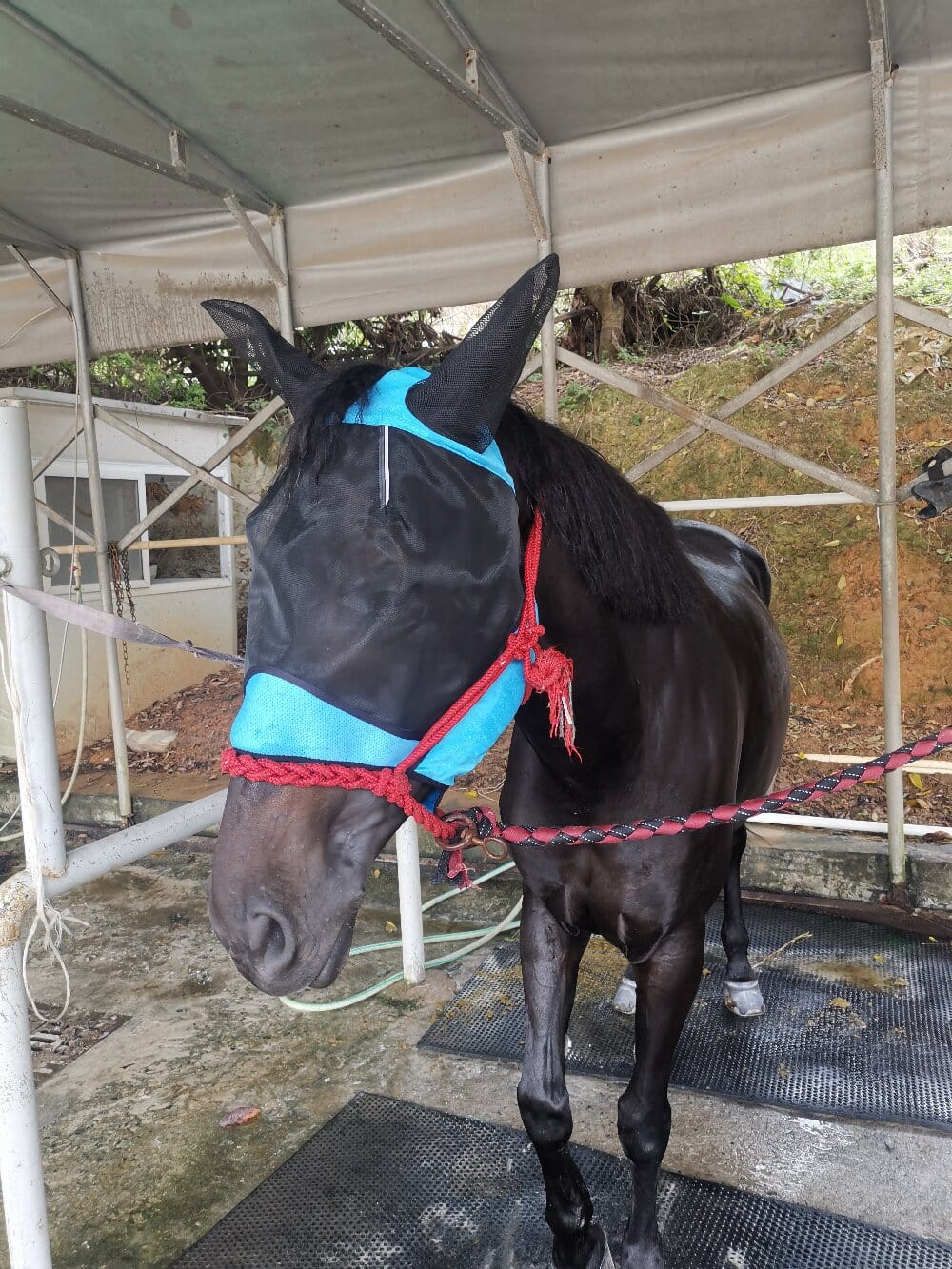
Every year, as the first warm days arrive, I find myself doing the same thing: pulling out my collection of fly protection gear and asking which horse fly mask actually deserves a spot on my horse’s head. I have tested dozens of designs across different horses, disciplines, and budgets, and I have strong opinions about what works. A good horse fly mask is not just a piece of mesh thrown over the face; it is a daily comfort tool that affects your horse’s stress levels, eye health, and even rideability. In this comparative look, I will walk you through how the leading styles stack up against each other so you can choose with confidence.
Horse Fly Mask Styles Compared: Mesh, Fringe, and Full-Coverage
The first big divide I notice is between ears-and-eyes masks, fringe masks, and full-coverage designs. Standard mesh masks with ear holes are my go-to for turnout because they protect the eyes and keep flies off the face without trapping too much heat. Fringe masks, by contrast, are brilliant for horses that panic at the sight of mesh near their eyes, but I find they leave the eyelids more exposed during peak fly season. Full-coverage masks that extend down the nose offer the most protection, yet in my experience they run hotter and fit is far less forgiving. If your horse is a sensitive head-shaker, I would rank a well-fitted mesh mask above a loose fringe every time.
Fit and Fastening Systems: Where Cheap Masks Fall Apart
This is the comparison that matters most to me, because fit determines whether a mask stays on overnight or ends up in the mud by morning. Velcro throat straps are the industry standard, but the quality varies wildly. I have had budget masks where the hook-and-loop lost its grip within weeks, while mid-range and premium options held firm through repeated washing. Fleece binding around the edges is another differentiator I always check; it prevents rubbing on the noseband and brow area, and horses with thin skin will thank you. Adjustable cheek straps and elasticized poll straps make a real difference for horses with narrow or wide heads, and I will not buy a mask without them anymore.
Durability, UV Protection, and Breathability Compared
When I line up masks side by side, three performance factors separate the contenders from the pretenders. First, durability: fine mesh with reinforced stitching outlasts coarse, stiff netting that tears at the slightest snag. Second, UV protection: lighter-colored mesh reflects heat and blocks harmful rays, and I have seen a noticeable difference in coat bleaching and eye comfort on horses wearing properly rated masks. Third, breathability: a mask that traps sweat creates its own problems, so I favor designs with airflow panels or softer, woven mesh. In my experience, paying a little more upfront for these three qualities saves money and hassle over a single season.
Practical Features I Now Refuse to Compromise On
After years of trial and error, I have a short list of features that earn a permanent place in my tack room:
- Ear coverage that stays put without pinching the base of the ears
- Soft fleece or binding at all contact points to prevent rubs
- Reflective piping for visibility during early morning or evening turnout
- Machine-washable materials that survive regular cleaning
- A secure throat latch that is easy to fasten with cold, wet hands
Masks missing two or more of these items simply do not make my shortlist, no matter how attractive the price.
My Verdict on Choosing the Right Horse Fly Mask
Comparing these options has taught me that there is no single perfect mask, only the best match for your horse’s head shape, turnout routine, and sensitivity level. Prioritize fit and fastening quality first, then weigh durability and breathability against your climate and budget. A thoughtfully chosen horse fly mask will keep your horse comfortable, protect delicate eyes from insects and sunlight, and spare you the frustration of replacing cheap gear mid-season. Do the comparison work once, and your horse will thank you all summer long.