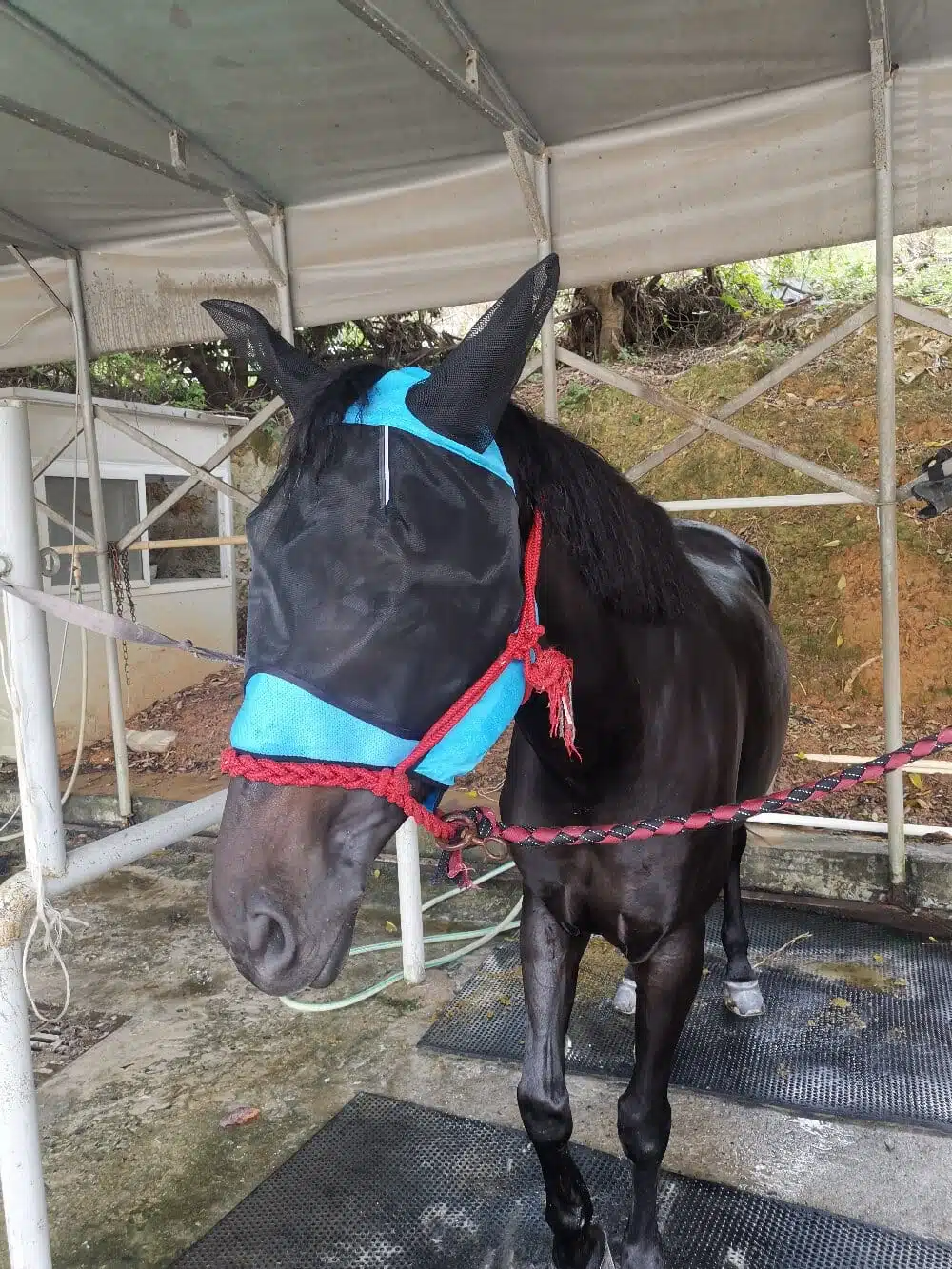

For horse owners, the warmer months bring a familiar challenge: biting insects that torment equines and disrupt their daily routine. A well-fitted horse fly mask has become an essential piece of tack for many owners seeking a practical solution. These lightweight covers shield the eyes, ears, and face from flies, gnats, and other pests, reducing irritation and the risk of infection. Rather than relying solely on sprays and ointments that wear off quickly, a physical barrier offers consistent, round-the-clock defense. This article examines the common problems insect pressure creates and explains how the right fly mask solves them effectively.
Identifying the Core Problems Caused by Flies
Before choosing a solution, it helps to understand what is actually at stake. Flying insects are more than a nuisance; they can affect a horse’s health, behavior, and performance. The most common issues include:
- Eye irritation and infection: Flies feed around the eyes and can transmit bacteria, leading to conjunctivitis and other painful conditions.
- Stress and behavioral changes: Constant head shaking, stomping, and rubbing waste energy and can make a horse difficult to handle or ride.
- Skin damage: Bites and the resulting scratching often cause abrasions, hair loss, and secondary infections.
- Reduced grazing time: Horses bothered by pests spend less time eating and resting, which can affect condition and weight.
Each of these problems compounds the others. A horse that cannot settle becomes stressed, and stress weakens the immune response, making insect-borne irritation even harder to manage. Solving the root cause—exposure to biting pests—is therefore far more efficient than treating symptoms after they appear.
How a Horse Fly Mask Solves the Problem
The simplest and most direct answer to insect pressure is a physical barrier, and a horse fly mask delivers exactly that. By covering the face with fine mesh, it prevents flies from landing on sensitive areas while still allowing full vision and airflow. Modern designs address several practical concerns that older products failed to solve:
- Visibility: Quality mesh keeps the horse’s field of view clear, reducing the risk of spooking.
- Comfort: Soft binding and fleece padding at the edges prevent rubbing during long wear.
- Ear protection: Removable or integrated ear covers stop gnats from entering the ears, a common source of head shaking.
- Secure fit: Adjustable straps and throat closures keep the mask in place without restricting movement.
- UV defense: Many masks also block harmful ultraviolet rays, protecting pale-skinned areas from sunburn.
These features work together to solve both the immediate pest problem and the secondary issues it creates. A horse that wears a mask consistently is calmer, less prone to eye injuries, and more comfortable in the field and under saddle.
Choosing the Right Fit for Lasting Results
Even the best product fails if it does not fit correctly. A mask that is too loose allows insects to slip underneath, while one that is too tight causes pressure points and rubbing. Owners should measure the horse’s head according to the manufacturer’s guidance and check the fit regularly, especially after washing. Breathable fabrics and durable stitching extend the life of the mask, and having a spare on hand ensures continuous protection while one is being cleaned. Rotation between two masks is a simple but effective strategy for maintaining hygiene and preventing wear-related failures.
Conclusion
Insect pressure presents a genuine welfare and management problem for horse owners, but it is a solvable one. A properly fitted horse fly mask addresses the source of the irritation rather than chasing symptoms, delivering consistent protection that sprays and topical treatments cannot match. By investing in a quality mask, checking the fit, and keeping it clean, owners can reduce stress, prevent eye and skin issues, and allow their horses to graze and rest undisturbed throughout fly season.