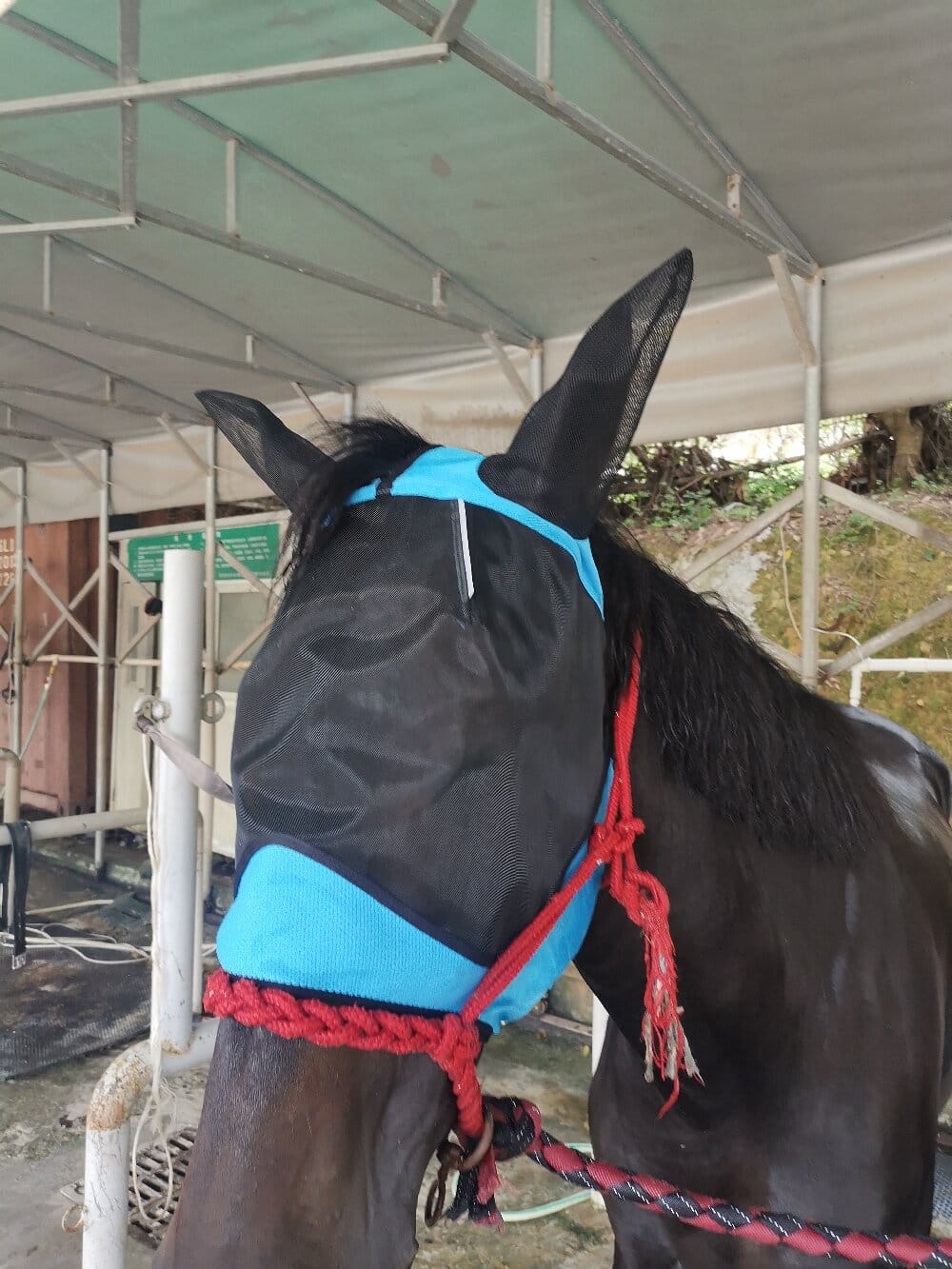
I bought my first horse fly mask years ago without asking a single hard question. The package promised relief from biting insects, the price was reasonable, and every rider at my barn seemed to own one. That is exactly the kind of uncritical thinking I now try to avoid, so I decided to apply some critical thinking to the humble horse fly mask. Does it actually deliver on its promises, or have we all simply accepted a piece of mesh as a magic solution? What I found surprised me and changed how I choose and use these products.
Examining the Core Claims of the Horse Fly Mask
Manufacturers make three main claims: the mask blocks flies, it prevents eye irritation, and it protects against UV rays. I tested each claim against what I could observe and reason about. The mesh does reduce flies landing on the face and eyes, which makes sense mechanically—a physical barrier is hard to argue with. But flies can still gather on the ears, muzzle, and throat, areas many standard masks leave exposed. So the protection is partial, not absolute, and marketers rarely admit that nuance.
The UV protection claim deserves similar scrutiny. Some fabrics genuinely filter ultraviolet light, but not all mesh is created equal, and a dark mask may absorb heat rather than reflect it. I now check for labels specifying UV rating instead of assuming any fly mask doubles as sun protection.
How to Choose a Horse Fly Mask with a Critical Eye
Rather than grabbing whatever is on sale, I evaluate a fly mask the way I would evaluate any piece of safety equipment. Here is the checklist I use now:
- Fit and adjustability: A loose mask rubs and shifts; a tight one restricts vision. Look for adjustable straps and soft binding.
- Eye clearance: The mesh should stand away from the eyes so eyelashes and corneas are not abraded.
- Ear and muzzle coverage: Decide whether you need full coverage or a simple eye protector based on your horse’s actual fly pressure.
- Material breathability: Mesh that traps heat can cause more discomfort than the flies it blocks.
- Durability versus price: Cheap masks tear quickly, but expensive ones are not automatically better. Read reviews and inspect stitching.
I also ask whether the fly mask is the right tool at all. Sometimes fly repellent, stabling during peak insect hours, or improved drainage around the paddock solves the problem more effectively than any mask.
What the Evidence and My Experience Actually Show
After seasons of observation, I conclude that a horse fly mask is a useful, limited tool rather than a cure-all. It reduces fly contact around the eyes and can lessen irritation, but it does not eliminate insects, and poor fit creates its own problems. The critical thinking lesson is broader than equine gear: question marketing language, check fit and materials, and match the product to the real conditions your animal faces. That mindset has saved me money and, more importantly, kept my horses more comfortable.
Final Thoughts
A fly mask earns its place in the tack room when chosen thoughtfully, checked regularly for wear, and combined with sensible barn management. I still use one, but now I use it with clear expectations instead of blind trust. If you apply the same scrutiny—examining claims, testing fit, and weighing alternatives—you will get better value and better protection for your horse.